
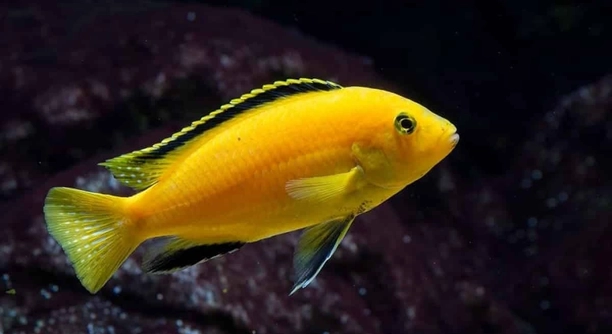
African cichlids are popular aquarium fish known for their bright colors and active behavior. Many hobbyists want to create the best environment for them. Water flow is one important factor that can affect their health and comfort in a tank.
African cichlids generally prefer water with moderate movement rather than completely still or very strong currents. Moving water helps maintain oxygen levels and cleanliness, which supports their well-being and natural behaviors.
Learning how water flow impacts these fish can improve their care and tank setup. This article will explain what kind of water conditions suit African cichlids best.
Understanding African Cichlids’ Natural Habitat
African cichlids come from lakes like Malawi, Tanganyika, and Victoria, where water flow varies but is rarely stagnant. These lakes have rocky shores and open water areas with gentle currents caused by wind and inflowing rivers. The natural movement of water helps oxygenate the environment and keeps it clean by moving debris away. In captivity, replicating this balance is important. Too little movement can cause low oxygen levels and poor water quality, stressing the fish. On the other hand, too strong a current can tire out the cichlids and disrupt their natural behavior. Observing how they behave in a tank with gentle water flow can help maintain their health. This moderate movement mimics their natural habitat and supports their active swimming and breeding habits.
Water movement in their habitat plays a key role in their overall health and activity levels.
Understanding these natural conditions helps aquarists design a tank that supports the cichlids’ needs, improving their quality of life.
How to Create the Right Water Flow in Your Aquarium
Providing proper water flow for African cichlids involves choosing the right equipment and setup. Using a filter that produces gentle but consistent water movement works well. Positioning the filter’s outflow so it circulates water without creating strong currents allows fish to swim freely. Adding rocks and decorations can help break up the flow and create calm spots for resting. It is important to monitor the fish’s behavior and adjust the flow if they seem stressed or struggle to swim. Regular water changes also keep the tank clean and oxygen-rich. Maintaining moderate water movement supports the cichlids’ natural habits and overall health, making the aquarium a better environment for these colorful fish.
Signs Your African Cichlids Need Water Flow Adjustments
African cichlids show clear signs when water flow is not suitable. If they are constantly hiding or resting and not swimming actively, the flow may be too strong. On the other hand, sluggish behavior or gasping at the surface can indicate insufficient water movement.
When the current is too strong, cichlids may struggle to swim or appear stressed. You might notice torn fins or unusual aggression caused by discomfort. If the water is too still, oxygen levels drop, leading to lethargy and surface gasping. Watch for changes in eating habits or increased disease risk, as poor water quality from inadequate flow can affect their health. Adjusting the filter output and rearranging tank decorations can help create a more comfortable flow pattern. Paying attention to these behaviors ensures your fish remain healthy and stress-free.
Regular observation of swimming patterns and behavior helps identify flow issues early. This way, you can make timely changes to improve the aquarium environment.
Equipment Choices for Optimal Water Movement
Choosing the right equipment is key to controlling water flow for African cichlids. Canister filters and powerheads are popular options because they provide adjustable flow rates. Selecting a filter with variable speed control allows fine-tuning of water movement to suit the fish’s needs. Using spray bars or diffusers can distribute flow evenly without creating strong currents in one area. Combining different equipment types also helps balance circulation and oxygenation. Additionally, avoid oversized filters that push water too forcefully, as this can stress the fish. Monitoring equipment regularly ensures it functions properly, maintaining a stable flow and clean water. Proper equipment selection directly impacts the health and comfort of your cichlids.
An effective setup balances filtration power with gentle water circulation tailored to the species’ preferences.
Adjusting Flow with Tank Layout
Tank decorations affect water flow and fish comfort. Rocks, plants, and caves can slow currents and create calm areas for cichlids to rest. Arranging these elements thoughtfully helps balance movement throughout the tank.
Creating zones with varied flow mimics natural habitats. This allows fish to choose where they feel most comfortable.
The Role of Aeration
Aeration increases oxygen levels in the water, supporting cichlids’ health. Air stones and bubble wands gently circulate water without creating strong currents. This promotes better gas exchange at the surface.
Using aeration alongside filtration improves overall water quality and oxygen content, which is essential in tanks with moderate water movement.
Effects of Water Flow on Breeding
Moderate water flow encourages natural breeding behavior in African cichlids. Too much current can prevent proper nesting and cause stress, reducing spawning success.
Providing calm areas within the tank supports egg laying and fry survival.
Maintaining Water Quality
Regular water changes are necessary to keep water clean and balanced. This prevents buildup of harmful substances and supports the benefits of proper water flow.
FAQ
Do African cichlids need strong water flow?
African cichlids do not require strong water flow. In fact, strong currents can stress them and make swimming difficult. Moderate water movement is best as it helps oxygenate the tank and keeps the environment clean without overwhelming the fish.
Can still water harm African cichlids?
Yes, still water can be harmful. Without movement, oxygen levels drop, and waste can build up, leading to poor water quality. This environment increases the risk of disease and stress, making the fish less active and less healthy over time.
How can I tell if my water flow is too strong?
Signs include fish struggling to swim, hiding excessively, or showing signs of stress like torn fins or unusual aggression. If the cichlids seem exhausted or avoid certain areas of the tank, the flow might be too strong and needs adjustment.
What equipment is best for creating moderate flow?
Filters with adjustable flow rates, such as canister filters or hang-on-back filters with variable speed, work well. Powerheads with adjustable nozzles or spray bars can distribute water gently. Avoid oversized pumps that create too much current.
Does water flow affect breeding in African cichlids?
Yes, water flow affects breeding. Strong currents can disturb nesting sites and stress the fish, reducing spawning success. Providing calm areas with less flow supports breeding behavior and protects eggs and fry.
How often should I change the water in a cichlid tank?
Regular water changes, about 20-30% weekly, help maintain water quality. This supports the benefits of proper water flow by removing waste and toxins that can build up even with good filtration.
Can I use air stones for African cichlids?
Air stones can be beneficial as they increase oxygen levels and promote gentle water movement. They do not create strong currents, making them suitable for cichlid tanks when combined with proper filtration.
Will decorations affect water flow?
Yes, decorations like rocks, plants, and caves can slow water flow and create calm spots. Thoughtful arrangement of these items helps balance water movement, providing resting places and reducing stress for the fish.
Is it necessary to monitor water flow regularly?
Monitoring flow is important to ensure it stays at a moderate level. Changes in filter performance or tank setup can alter flow strength, so regular observation helps maintain a healthy environment for cichlids.
What happens if the water flow is too weak?
Too weak a flow can cause oxygen depletion and poor waste removal. Fish may become lethargic and more prone to illness. Increasing flow slightly or adding aeration can help improve tank conditions.
African cichlids thrive best in tanks where water movement is moderate and consistent. Too much current can cause stress and make it difficult for the fish to swim comfortably, while too little flow can lead to low oxygen levels and poor water quality. Finding the right balance is important for their health and natural behavior. By paying attention to how these fish act in your aquarium, you can adjust the water movement to meet their needs. Gentle currents that mimic their natural lake environments help keep them active, healthy, and less prone to stress.
Setting up the aquarium with the proper equipment makes maintaining moderate water flow easier. Filters with adjustable flow rates and powerheads allow you to control the strength of the current. Decorations such as rocks, plants, and caves are also useful in breaking up water movement and creating calm areas where cichlids can rest. Regular monitoring of water flow and fish behavior is essential. If the fish seem tired, hide often, or show signs of aggression, it may be time to adjust the flow. Similarly, if the water is too still and fish appear lethargic or gasp at the surface, increasing circulation can improve oxygen levels.
Overall, understanding the role of water flow helps provide a better environment for African cichlids. Maintaining clean, oxygen-rich water with gentle currents supports their natural instincts, including swimming and breeding. Alongside routine water changes and good filtration, controlling water movement is a key factor in keeping these fish healthy. With careful attention to tank conditions, it is possible to create an aquarium that closely resembles the cichlids’ native habitat, ensuring they live longer and thrive under your care.

Hello,
If you enjoy the content that we create, please consider saying a "Thank You!" by leaving a tip.
Every little bit helps us continue crafting quality advice that supports the health, happiness, and well-being of pets around the world, for pets of all shapes, sizes, and species.
We really appreciate the kindness and support that you show us!