
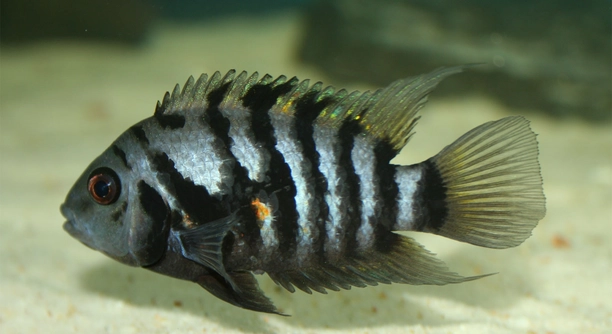
Is your cichlid acting a little different lately, spending more time near rocks or digging in the substrate of the tank?
Cichlids show several behavioral and physical signs before laying eggs, including digging pits, pairing off, guarding territories, and displaying intensified colors. Observing these changes closely can help you prepare for a successful breeding process.
Recognizing these signs early can support a healthier environment for your fish and increase the chances of successful egg-laying and hatching.
Increased Territorial Behavior
When your cichlid is about to lay eggs, you’ll often notice it becoming more territorial than usual. It may start chasing away other fish, guarding one area closely, or spending more time near rocks, caves, or specific tank spots. This change in behavior is normal and usually means the fish is preparing a safe place to lay eggs. Female cichlids often clean the chosen site carefully, while males may patrol the area to keep others away. These actions reflect instinctive nesting behavior. Creating a peaceful environment can help reduce stress for the fish and lead to a more successful egg-laying process. Make sure the tank has proper hiding spots, stable water conditions, and low disturbances. Avoid rearranging the tank or adding new fish during this period. Giving your cichlid space and quiet time can make a difference in how smoothly the breeding process unfolds in the days ahead.
Your fish may also avoid its usual hiding spots and stay in open areas while guarding its chosen location.
If your cichlid’s behavior has shifted and it is acting more defensive, it’s a strong indicator that egg-laying may happen soon. You may also notice body movements like shaking, digging, or nudging the tank substrate. These are normal signs. Keep a close eye on tank dynamics, as overly aggressive behavior can lead to stress or injuries for other fish. Separate aggressive fish if needed to maintain harmony. In some cases, both the male and female will work together to protect the nesting site, showing clear teamwork. These patterns signal that the pair is preparing to spawn. You don’t need to interfere, but it’s helpful to monitor water temperature and cleanliness to support healthy eggs. Providing a flat rock or smooth surface can also be helpful, depending on your cichlid species. Not all fish will show the same signs, but increased territorial habits are among the most noticeable early changes.
Color Changes in the Body
Cichlids often show more vibrant or deepened body colors before laying eggs, especially in males during courtship displays.
Color changes can be subtle or very noticeable, depending on the species. For many cichlids, brighter or darker shades signal readiness to breed. These changes are especially common in African and Central American cichlids. A male may display bold hues to impress the female or assert dominance in the tank. You may also notice vertical or horizontal stripes becoming more defined. These visual signals are used to communicate breeding readiness and set boundaries with other fish. Females may also show color changes, though often less intense. Some will darken in specific spots or take on a slightly swollen appearance near the belly. If you see this happening alongside territorial behavior or pairing, it is likely that egg-laying is near. Providing clean water and stable conditions is important at this stage. Try to avoid strong lighting or sudden tank changes, which could stress the fish.
Digging and Substrate Rearranging
Your cichlid may start digging pits or moving gravel around more than usual. This behavior is often focused in one area and is a clear sign of nesting.
This type of digging is usually the female’s way of preparing a safe, clean space for her eggs. She may focus on one corner or under a rock, clearing out gravel or substrate using her mouth. Males may help or simply guard the spot while she works. This is different from playful or stress-related digging, as it’s repetitive and focused. Watching where the digging happens can help you predict where she will lay her eggs. It’s a good idea to keep the tank stable, with no big water changes or decor shifts. A flat rock or open gravel bed will usually be her preferred area. Avoid disturbing the substrate so she can complete her task comfortably.
Digging can become more intense as egg-laying approaches. Your cichlid may carry mouthfuls of gravel across the tank, or dig deeper holes to ensure the eggs stay protected. These behaviors typically happen in the same spot each day, especially in the morning or evening. If other fish come near, the female may chase them off or block access with her body. The digging process is instinctive and helps keep the area free from debris and harmful bacteria. Some fish also fan the space with their fins to keep water moving over the future egg site. This not only protects the eggs but ensures proper oxygen flow. Keep the water clear and clean to support this natural process.
Lip Locking and Pair Bonding
You may notice two cichlids lip-locking or chasing each other. This is often part of a bonding display and not necessarily aggression.
Cichlids that are ready to breed often form pairs, and lip locking is one of the behaviors linked to establishing dominance or compatibility. While it may look like fighting, it’s usually a normal part of courtship, especially in territorial or semi-aggressive species. After this, the pair might begin swimming side by side or spending most of their time near the nesting site. Other signs include synchronized swimming or fin flaring. If the pair appears calm around each other afterward and continues nesting behavior, they are likely preparing to lay eggs. It’s important to observe the intensity—if the interaction becomes too violent or leads to injury, you may need to separate them. Otherwise, this bonding phase is brief and usually followed by egg laying within days. Keep distractions in the tank low and allow the pair to settle into their routine without interference.
Reduced Appetite
A cichlid preparing to lay eggs may stop eating or eat very little. This is normal and often linked to hormonal changes before spawning.
This behavior usually lasts only a few days and is more common in females. If the fish is otherwise active and showing nesting signs, there’s no need to worry.
Frequent Body Shaking or Quivering
Body shaking or quivering is a common sign during the pre-spawning period. These movements help attract the mate’s attention and signal readiness to breed. They’re often seen during courtship displays or when the fish is near the chosen nesting site. Quivering may also help stimulate the female to lay eggs. These motions are typically brief but repetitive and can be accompanied by fin flaring, nudging, or chasing. They often happen in a specific area of the tank where the fish plans to spawn. If both the male and female begin shaking near each other, it usually means they are almost ready to lay and fertilize the eggs.
Guarding a Specific Spot
Cichlids will often hover near one location and block access to it. This behavior usually means eggs will be laid there very soon.
FAQ
How long does it take for cichlid eggs to hatch?
Cichlid eggs usually hatch within 2 to 10 days, depending on the species and water temperature. Warmer water tends to speed up the process, but it’s important not to raise the temperature too much, as this can harm the eggs. During this time, the parents may guard the eggs closely, especially if they’re a protective species. Once hatched, the fry will stay close to the nesting site for several more days, feeding off their yolk sacs. After that, they’ll begin swimming freely and can start eating crushed flakes or baby brine shrimp.
Should I separate the parents from the eggs?
It depends on the species. Some cichlids are excellent parents and will care for their eggs and fry without issue. Others may eat their eggs if they become stressed. If your cichlids are first-time parents or you’ve noticed egg loss before, it may be safer to move the eggs to a breeding box or separate tank. Use a turkey baster or small net to move the eggs gently. Make sure the new tank has matching water conditions, gentle filtration, and is free from other fish. Monitor the eggs daily for fungus and remove any that look white or fuzzy.
What should the tank conditions be for breeding cichlids?
The tank should be clean, stable, and quiet. Aim for slightly warmer water, usually around 78–82°F (25–28°C), depending on the species. Maintain good water quality with regular, small water changes. The pH level should be within your cichlid species’ preferred range—African cichlids prefer alkaline water, while some South American species do better in slightly acidic conditions. Include flat rocks, caves, or flowerpots as spawning sites. Use a gentle filter to avoid strong currents, and dim lighting can help the fish feel more secure. Avoid adding new tankmates during this time.
Can female cichlids lay eggs without a male?
Yes, female cichlids can lay eggs without a male present, but the eggs will not be fertilized. These unfertilized eggs will usually turn white within a day or two and begin to decay. The female may guard the eggs temporarily, but eventually, they will be eaten or removed. If you see this happen often, it may be a sign your fish is ready to breed. Adding a compatible male may lead to successful spawning, but make sure the tank is large enough and has enough hiding places to avoid aggression.
Why are the eggs turning white?
Eggs that turn white are most likely unfertilized or infected with fungus. This can happen when the male doesn’t fertilize all the eggs or when tank conditions aren’t ideal. Poor water quality, lack of water movement, or a dirty substrate can all lead to fungus growth. If only a few eggs are white, the parents may remove them themselves. If many are turning white, you may need to gently remove them using tweezers or a turkey baster. Adding a small amount of methylene blue to a separate egg tank can help prevent fungus in delicate batches.
How often do cichlids lay eggs?
Most cichlids can lay eggs every few weeks if conditions are right and they are well-fed. However, this varies by species and age. Some lay monthly, while others may take longer between spawns. After the fry are released or removed, the parents usually begin preparing for the next round. Younger fish may not breed regularly or may fail to protect their eggs. Giving your fish time to rest and recover between spawns is important. Feeding them a high-quality diet with protein-rich foods like bloodworms or brine shrimp can help support healthy breeding cycles.
Do all cichlids care for their eggs and fry?
No, not all cichlids provide parental care. Some species guard their eggs closely, while others may abandon or eat them. Mouthbrooding cichlids, such as many African species, carry the eggs in their mouths for protection until they hatch. Substrate spawners, like convicts or angelfish, usually lay eggs on a flat surface and guard them. Observing your fish will help you understand what kind of care they provide. If the adults seem stressed or distracted, it may help to move them or the fry to a safer tank to ensure survival.
Final Thoughts
Watching your cichlid prepare to lay eggs can be an exciting and rewarding experience. The signs are often clear once you know what to look for—territorial behavior, digging, body quivering, and changes in color or appetite. Each of these behaviors plays a role in preparing for egg-laying and helps you understand what your fish needs during this time. While the signs may vary slightly depending on the species, the patterns are generally easy to spot when observed closely. Staying calm and letting the fish follow their natural process is often the best approach.
Providing the right environment is just as important as recognizing the signs. A stable, clean tank with plenty of hiding spots helps reduce stress for your fish. Avoid making sudden changes to the setup, as this can interrupt the breeding process. If you have a breeding pair, give them time and space to bond. Cichlids are known for their intelligence and complex behavior, and watching them care for their eggs can be fascinating. Whether your cichlid is a mouthbrooder or a substrate spawner, proper tank conditions and minimal disturbance will support a healthy spawning and hatching period.
Not all cichlids succeed on their first breeding attempt, and that’s okay. Some may eat their eggs due to inexperience or stress. Others may need time to form a strong bond with a mate. With patience and consistent care, most fish will try again. Monitoring water quality, offering a balanced diet, and reducing tank stress are small steps that make a big difference. Breeding cichlids can teach you more about their habits and what makes them feel secure. Understanding these behaviors not only helps you prepare for eggs but also deepens your connection with your fish.

Hello,
If you enjoy the content that we create, please consider saying a "Thank You!" by leaving a tip.
Every little bit helps us continue crafting quality advice that supports the health, happiness, and well-being of pets around the world, for pets of all shapes, sizes, and species.
We really appreciate the kindness and support that you show us!