
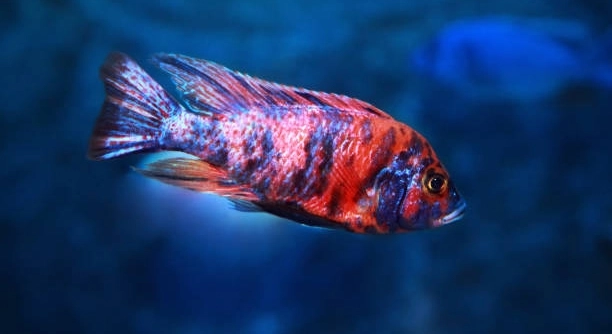
Are your cichlids showing little interest in their fry, leaving you puzzled about their behavior? Many fish owners notice this and wonder what causes the parent to ignore the young. Understanding this can help create a better environment for your fish.
Cichlids may ignore their fry due to stress, lack of proper conditions, or instinctual behavior to protect the stronger offspring. Factors like water quality, tank setup, and the parent’s health heavily influence their care patterns.
Knowing why cichlids behave this way can improve fry survival and help you support your fish family more effectively. The following information will clarify these common causes and offer helpful tips.
Common Reasons Why Cichlids Ignore Their Fry
Many cichlids ignore their fry because of stress or environmental problems. If the tank water is not clean or the temperature is off, parents might not recognize or care for their young. Sometimes, overcrowding or aggressive tank mates cause anxiety, leading to neglect. Another reason is the natural survival instinct of some species, where parents may eat weaker fry to protect the stronger ones. Lack of food can also make the parent less attentive, as they focus on finding nourishment for themselves first. It is important to monitor the tank conditions closely to avoid these issues. Keeping the water clean, stable, and providing enough hiding spots for the fry can help reduce stress for both parents and young fish. Understanding these factors helps explain why your cichlid might be ignoring its fry and guides you on what to adjust.
Ignoring fry can also happen if the parents are new or inexperienced.
Parents sometimes reject fry when they are still learning how to care for them.
How to Improve Fry Care and Attention
Improving fry care starts with maintaining ideal water conditions. Test the water regularly for pH, ammonia, nitrate, and temperature levels. Stable water quality reduces stress on the fish and helps parents focus on their fry. Make sure the tank is spacious enough and free from aggressive fish that might threaten the young. Providing hiding places like plants or caves allows the fry to feel safe. Feeding the parents a balanced diet ensures they have the energy to care for their offspring properly. Avoid sudden changes in the environment, such as loud noises or rapid water shifts, since these can disrupt the parents’ behavior. If needed, consider separating the fry or the parents temporarily to protect the young. Observing your fish closely will help you notice any changes and intervene early. With these steps, you can increase the chances of your cichlid paying proper attention to its fry and supporting their growth successfully.
When Parental Instincts Fail
Sometimes, cichlids simply do not show care for their fry due to weak parental instincts. This can happen with first-time parents or certain species less inclined to nurture. The lack of experience or genetic tendencies may cause neglect or even aggression toward the young.
Stress and environmental factors can weaken parental instincts further. Poor water quality, overcrowding, or sudden changes may make parents focus on their own survival rather than caring for fry. In these cases, the parents may abandon or harm their offspring unintentionally. Recognizing this behavior early allows you to take action to protect the fry. Separating the fry from the parents or providing additional care can improve survival rates when instincts fail.
Monitoring your cichlid’s behavior during breeding cycles can help you predict when parental care might drop. Providing a calm and stable environment supports natural instincts, but some situations require human intervention to ensure the fry’s safety.
Signs Your Cichlid Is Stressed
Stress in cichlids shows in several clear ways, such as hiding more often, reduced appetite, or unusual aggression. These signs usually indicate that the fish is uncomfortable or disturbed in its environment. Stress can directly impact how a parent cares for its fry, making neglect more likely.
Stress often arises from poor water conditions or aggressive tank mates. Crowded tanks or improper temperatures can also cause anxiety. When stressed, a parent may stop protecting or feeding its fry, sometimes even eating them. Reducing stress means fixing the environment, checking water quality, and keeping a peaceful tank. Sometimes adding plants or hiding spots helps both parents and fry feel more secure.
Recognizing stress quickly is important because it affects the whole family’s well-being. When the parent feels safe and healthy, it is more likely to care for its fry properly. Taking steps to lower stress can greatly improve your cichlid’s behavior and your fry’s chances of survival.
Tank Setup and Its Impact on Fry Care
A poorly arranged tank can stress cichlids and cause them to ignore their fry. Lack of hiding spots or too much open space makes fry feel vulnerable. Proper tank decoration is essential for healthy fish behavior.
Plants, rocks, and caves offer shelter for fry and comfort for parents. These help reduce stress and encourage natural protective instincts.
Feeding Habits Affecting Fry Attention
When parents do not get enough food, they may prioritize their own survival over their fry. A balanced diet is critical for energy and proper parental care. Feed high-quality, varied food to support your cichlid’s health.
Handling Aggressive Tank Mates
Aggressive fish can threaten fry safety and cause parents to abandon or harm their young. Separating aggressive species or using dividers helps protect the fry and keeps parents less stressed.
Monitoring Fry Development
Watching fry growth daily helps catch early signs of problems. Prompt action improves their chances of survival and healthy development.
FAQ
Why is my cichlid ignoring its fry after they hatch?
Cichlids may ignore their fry right after hatching due to stress or unfamiliarity with their role as parents. Inexperienced cichlids might not recognize the fry as their own or may be overwhelmed by environmental factors like poor water quality or tank disturbances. Sometimes, the parents are protecting themselves by focusing on survival instead of nurturing the young.
Can stress cause a cichlid to eat its fry?
Yes, stress is a common reason why cichlids eat their fry. When the parent feels threatened by poor tank conditions, overcrowding, or aggressive neighbors, it may see the fry as a liability. Eating some or all of the fry can be a natural response to reduce stress or conserve energy.
How do I know if my cichlid is stressed?
Signs of stress include hiding often, loss of appetite, erratic swimming, and increased aggression. If you notice these behaviors along with your cichlid ignoring or harming its fry, it is a clear indicator that stress is affecting parental care.
What tank conditions help improve parental care?
Stable water temperature, clean water, proper pH balance, and enough space are crucial. Adding plants, rocks, and hiding spots reduces stress and encourages natural protective behavior. Avoid overcrowding and keep aggressive fish separate to protect both parents and fry.
Should I separate the fry from the parents?
Separating fry is often necessary if parents show signs of neglect or aggression. A breeding box or separate tank can keep fry safe until they are big enough to fend for themselves. This also reduces stress on the parents, improving their overall health.
How often should I feed my cichlid during breeding?
Feed parents small, frequent meals of high-quality food rich in protein. This supports their energy needs for caring for the fry. Avoid overfeeding to maintain water quality but ensure the parents get enough nutrition to stay healthy.
Can all cichlid species be good parents?
Not all species have strong parental instincts. Some cichlids are better caregivers than others, while some may abandon or eat their fry more frequently. Researching the specific species’ behavior helps set realistic expectations for fry care.
What should I do if the parent cichlid is aggressive toward fry?
If the parent attacks the fry, remove the fry quickly to avoid losses. Provide separate safe spaces or tanks for fry growth. Improving tank conditions and reducing stress can sometimes calm aggressive parents, but separation is usually the safest option.
Is it normal for cichlids to eat some of their fry?
Yes, it is natural for some cichlids to eat a few fry. This behavior helps the parents focus their resources on the strongest offspring. However, excessive eating may indicate stress or poor conditions that need to be addressed.
How long do cichlid parents care for their fry?
Care periods vary by species but often last several weeks. During this time, parents protect and guide the fry until they become more independent. Monitoring your cichlid’s behavior during this stage is essential to know when extra help might be needed.
Can improving water quality prevent fry neglect?
Yes, maintaining clean and balanced water significantly reduces stress on both parents and fry. Good water quality supports healthy behavior and encourages parents to care for their young properly.
What role does tank size play in fry survival?
A larger, well-arranged tank allows more space for fry to hide and for parents to move freely. Crowded tanks increase stress and aggression, leading to higher fry mortality. Providing ample space is critical for successful breeding and fry care.
How do I encourage my cichlid to accept its fry?
Creating a calm, stable environment with minimal disturbances helps parents bond with their fry. Avoid sudden changes and provide proper nutrition. Sometimes, gently removing and reintroducing the fry can help the parent recognize them as their own.
When should I intervene in fry care?
Intervene if parents show signs of aggression, neglect, or if fry are dying in large numbers. Early separation and care can save many fry. Regular observation is key to spotting problems before they become serious.
Are there signs of healthy fry development?
Healthy fry swim actively, feed regularly, and grow steadily. They stay close to parents initially for protection. If fry appear weak, slow, or are missing, it often means care issues or stress in the tank environment.
Caring for cichlid fry can sometimes be challenging, especially when the parent fish seems to ignore them. This behavior often results from natural instincts, stress, or environmental issues. Understanding the reasons behind this can help you create a better setting for your fish and their young. It’s important to remember that cichlids, like many animals, respond strongly to their surroundings. When the tank is clean, stable, and safe, parents are more likely to take good care of their fry. On the other hand, poor water conditions or overcrowding can make them anxious and cause them to neglect or even harm the fry.
Taking steps to improve the environment can make a big difference in how your cichlids behave. Providing enough space, hiding spots, and proper nutrition helps reduce stress for both parents and fry. It’s also useful to watch your fish closely during breeding times to spot any early signs of trouble. If the parents do not care for the fry, separating the young and giving them special attention might be necessary. These actions give the fry a better chance to grow safely. While some species naturally show stronger parenting skills, every fish can benefit from the right care and conditions.
Finally, patience is key when dealing with cichlid fry and their parents. Not every breeding attempt will be perfect, and some challenges are normal. Learning from each experience improves your ability to provide the best environment possible. By understanding your cichlids’ behavior and adjusting their care as needed, you support the health and growth of both the parents and their fry. With attention and proper care, your cichlids can thrive, and you can enjoy watching the fascinating process of their family growing and developing.

Hello,
If you enjoy the content that we create, please consider saying a "Thank You!" by leaving a tip.
Every little bit helps us continue crafting quality advice that supports the health, happiness, and well-being of pets around the world, for pets of all shapes, sizes, and species.
We really appreciate the kindness and support that you show us!