
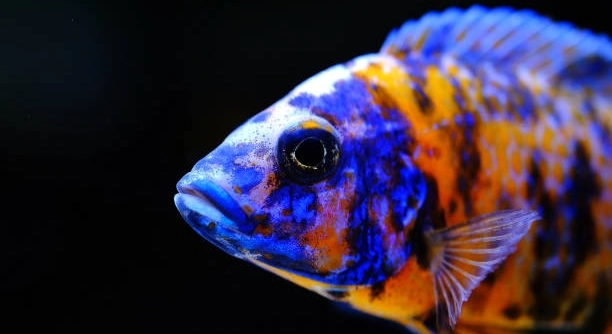
African cichlids are popular aquarium fish known for their vibrant colors and active behavior. Many fish owners wonder if these cichlids respond to music or sounds in their environment. Understanding how they react can help improve their care and habitat.
African cichlids do respond to sounds, but their reactions depend on the type and volume of the noise. Studies show they are sensitive to vibrations and certain frequencies, which can influence their behavior, stress levels, and overall well-being.
Exploring how sound affects these fish can help enhance their living conditions and create a more comfortable environment for them.
How African Cichlids Perceive Sound
African cichlids rely heavily on their senses to navigate and survive in their environment. Unlike humans, they do not hear sound through ears but detect vibrations using sensory organs called the lateral line. This system runs along their body and helps them sense changes in water movement. Loud or sudden noises can cause stress or frighten them, while consistent low-level sounds might become part of their background environment. The quality of sound in an aquarium is different from natural habitats, so their reactions can vary. When music or noise plays, the fish may exhibit increased activity or retreat to hiding spots depending on how intense the vibrations are. Fishkeepers often notice that cichlids become more alert or even aggressive when exposed to certain sounds. Understanding these responses can help adjust aquarium conditions to keep cichlids calm and healthy.
The lateral line allows cichlids to detect underwater vibrations and pressure changes, shaping their response to sound.
Sound perception impacts fish behavior, influencing feeding, mating, and social interactions in aquariums.
Using Music or Sound to Enrich Aquarium Life
Music or controlled sounds can be a way to enrich the environment of African cichlids when used thoughtfully. Some fish owners play soft, rhythmic music or nature sounds to mimic gentle water movement, which may reduce stress and create a calming effect. It is important to keep the volume low and avoid sudden, loud noises that might startle the fish. Consistency also matters, as cichlids get accustomed to familiar sounds over time. However, playing music continuously at high volumes or with strong bass vibrations can lead to increased stress and health problems. Monitoring the fish’s behavior during sound exposure helps determine if the environment is improving or causing harm. Choosing sounds that simulate their natural habitat, like flowing water or gentle ripples, may help promote natural behaviors and well-being in captive cichlids.
Soft, steady sounds can positively influence cichlids by reducing stress, but loud noises tend to cause distress.
Careful use of sound enriches the tank, but excessive or harsh noises risk upsetting fish balance and health.
Signs Your African Cichlids React to Sound
Changes in behavior often indicate how cichlids respond to sound. You may notice increased swimming activity, hiding more often, or changes in feeding habits. Some fish might become more aggressive or show signs of stress when exposed to loud or unfamiliar noises.
When cichlids hear vibrations or sounds they dislike, they might dart around or retreat to corners of the tank. In contrast, calming sounds can lead to more relaxed swimming and regular feeding. Sudden loud noises can trigger stress responses like rapid gill movement or color changes. Watching these signs helps adjust the tank environment for better fish welfare. Regular observation allows fishkeepers to balance sound exposure to keep cichlids comfortable and healthy.
It’s important to distinguish between normal curiosity and stress-induced behaviors. Sometimes fish appear active due to interest in new stimuli, while other times agitation is clear through erratic movements or hiding. Recognizing these differences improves how you manage their sound environment.
Best Practices for Sound in African Cichlid Tanks
Keep sound levels low and consistent to avoid startling your cichlids. Use soft background sounds like gentle water flow or light instrumental music. Avoid sudden loud noises or frequent changes in volume to prevent stress. Proper placement of equipment also reduces unwanted vibrations.
Tank equipment such as filters and pumps should run quietly and steadily. Placing the tank away from noisy appliances or speakers helps reduce disruptive sound waves. If playing music, choose sounds without heavy bass or sharp spikes in volume. Testing the fish’s behavior during different sounds guides what works best. Maintaining a calm and stable sound environment supports healthy fish behavior and overall tank harmony.
Common Mistakes When Using Sound with African Cichlids
Playing music too loudly can stress your cichlids and disrupt their natural behavior. Avoid sudden noises or frequent changes in volume that may startle them.
Ignoring fish reactions to sound can lead to prolonged stress. It’s important to observe how your cichlids respond and adjust accordingly to maintain their well-being.
How to Monitor Your Cichlids’ Response
Observe your cichlids daily for changes in swimming patterns, feeding habits, or coloration. Stress can show through hiding, aggression, or rapid gill movements. Adjust sound levels or types if these signs appear. Regular monitoring helps create a peaceful tank environment tailored to your fish’s needs.
Choosing the Right Sound Equipment
Select equipment designed to minimize vibrations and noise. Quiet filters and pumps improve tank comfort. Placing speakers outside the tank or using wireless options helps control sound intensity, reducing unnecessary disturbance.
The Role of Natural Sounds
Water flow and ambient tank noise mimic natural habitats and can be soothing. Natural sounds often create a balanced environment, encouraging healthy behaviors in African cichlids.
FAQ
Do African cichlids hear music the same way humans do?
No, African cichlids do not hear music like humans. They detect sound mainly through vibrations in the water using their lateral line system. This helps them sense movement and pressure changes, but they do not interpret music or sounds as melodies or lyrics like humans do. Instead, they respond to the intensity and type of vibrations in their environment.
Can playing music improve the mood of African cichlids?
Playing soft, consistent sounds such as gentle water flow or low-volume instrumental music may help reduce stress in some cichlids. However, this effect varies depending on the individual fish and the sound type. Loud or sudden noises can cause anxiety or aggressive behavior, so it’s important to monitor how your fish react to any sounds played near their tank.
What types of sounds should be avoided in a cichlid tank?
Avoid loud, sharp, or sudden noises as these can startle cichlids and increase their stress levels. Sounds with heavy bass or frequent volume changes are also disruptive. Household noises like banging, door slams, or loud music at high volume should be kept away from the tank environment.
How can I tell if my cichlids are stressed by sound?
Signs of stress include hiding more than usual, erratic swimming, loss of appetite, changes in coloration, and rapid gill movement. Aggression toward tank mates may also increase. If these behaviors appear after introducing new sounds or music, it’s best to lower the volume or stop playing the sounds altogether.
Is it better to have a quiet tank or one with background noise?
A quiet tank is often best for African cichlids to avoid unnecessary stress. However, some low-level background noise, like gentle water movement or soft instrumental music, can mimic natural environments and be comforting. Consistency and volume control are key to keeping the sound beneficial rather than harmful.
Do all cichlids react the same way to music or sound?
No, reactions vary between species and individual fish. Some African cichlids are more sensitive to sound and vibrations, while others may be less affected. Observing your specific fish’s behavior is important to determine how they respond to sound and adjust the tank environment accordingly.
Can sound affect breeding behavior in African cichlids?
Sound can influence breeding by affecting stress levels. High stress from loud or harsh noises can reduce breeding activity, while calm environments may encourage it. Some owners report better breeding success when the tank is kept quiet or exposed to gentle, natural sounds.
Should I use special equipment to control sound in my aquarium?
Using quiet filters, pumps, and equipment designed to minimize vibrations helps reduce unwanted noise. Positioning speakers or sound sources outside the tank and avoiding direct contact with the tank glass also lowers sound transmission. Proper equipment helps maintain a stable environment for your cichlids.
How often should I play music or sounds in the tank?
If you choose to play music or sounds, keep it on for short periods and at low volume. Constant, loud sound can be harmful. Regular breaks and consistent sound levels help prevent overstimulation and stress.
Is it safe to use headphones or Bluetooth speakers near the aquarium?
Yes, Bluetooth or wireless speakers placed near but not touching the tank are safe to use. Avoid placing speakers directly on the tank glass to reduce vibrations. Wireless options allow better control over volume and placement, making it easier to create a calm sound environment for your cichlids.
African cichlids are fascinating fish that react to their surroundings in unique ways, including how they respond to sound. While they do not hear music like humans, they sense vibrations through their lateral line system, which helps them detect movement and changes in water pressure. Sounds around their tank, whether from equipment or music, can influence their behavior. Some cichlids may become more active or curious, while others might feel stressed or frightened if the noise is too loud or sudden. Understanding these reactions is important for keeping your fish healthy and comfortable in their environment.
When introducing sounds or music to a cichlid tank, it is important to keep the volume low and the sound consistent. Sudden or loud noises can cause stress, leading to hiding, erratic swimming, or changes in feeding habits. Soft background sounds, such as gentle water flow or calm instrumental music, can sometimes create a more natural and soothing atmosphere. However, every fish is different, and their reactions may vary. Watching your cichlids carefully will help you understand how they respond to different sounds, allowing you to adjust the environment to their needs.
Creating a peaceful tank environment is key to the well-being of African cichlids. This means controlling not only sound but also lighting, water quality, and tank setup. Quiet equipment and careful placement of speakers or sound sources reduce unwanted vibrations that could disturb the fish. Remember that consistent, calm surroundings are best for promoting natural behavior and reducing stress. Paying attention to your cichlids’ reactions will help ensure they thrive and enjoy their home.

Hello,
If you enjoy the content that we create, please consider saying a "Thank You!" by leaving a tip.
Every little bit helps us continue crafting quality advice that supports the health, happiness, and well-being of pets around the world, for pets of all shapes, sizes, and species.
We really appreciate the kindness and support that you show us!