
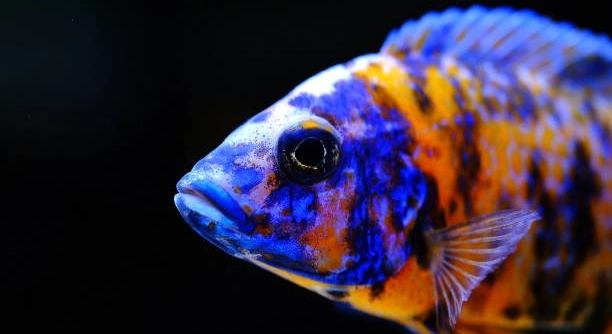
Many cichlid owners face the challenge of their fish suddenly refusing to eat. This behavior can be concerning and may indicate underlying issues with water quality, stress, or illness. Understanding the causes is important for timely intervention.
If a cichlid refuses to eat, first check water parameters and tank conditions to ensure they are optimal. Stress reduction and proper diet adjustments can encourage feeding. Persistent loss of appetite may require veterinary evaluation to rule out disease.
Addressing feeding problems quickly helps maintain your cichlid’s health and wellbeing. The following information will guide you through effective steps to help your fish regain its appetite.
Common Reasons Why Cichlids Refuse to Eat
When a cichlid stops eating, several factors could be at play. Water quality is often the first thing to check. High levels of ammonia, nitrites, or nitrates can cause stress and loss of appetite. Temperature fluctuations can also affect their feeding habits, as cichlids prefer stable, suitable water conditions. Stress from tank mates or overcrowding may make a fish feel unsafe and less likely to eat. Illness or parasites can reduce appetite, signaling the need for observation and treatment. Even changes in diet or feeding routine might confuse your fish, especially if new food is introduced suddenly. Sometimes, cichlids naturally reduce eating during breeding or molting phases. It’s important to monitor behavior and environment carefully to identify the reason quickly and take appropriate steps.
Consistent water testing and maintaining tank stability are crucial to prevent feeding issues and keep your cichlid comfortable.
Taking time to observe your cichlid closely can reveal subtle signs of stress or illness, helping you act before problems worsen.
How to Encourage a Cichlid to Eat Again
Start by improving water quality with partial water changes and testing. Remove aggressive tank mates if stress seems high. Offer familiar food types and avoid sudden diet changes. Warming the water slightly within the recommended range can boost metabolism and appetite. Feeding smaller amounts more frequently often helps stimulate eating. Avoid overfeeding, as uneaten food can spoil water quality and discourage fish from eating. If illness is suspected, isolate the fish and consult an expert for treatment advice. Sometimes adding natural appetite stimulants like garlic or vitamins to the diet can help. Patience is key—appetite may return gradually as conditions improve and stress decreases.
If appetite loss continues despite these efforts, professional advice is important to identify hidden health issues.
Regular tank maintenance and careful feeding routines prevent future feeding problems and keep your cichlid healthy.
Monitoring and Adjusting Tank Conditions
Keep a close eye on water parameters daily when your cichlid refuses to eat. Regular testing for ammonia, nitrites, nitrates, pH, and temperature helps ensure the environment stays stable and healthy. Sudden changes can increase stress, so gradual adjustments are essential.
Improving tank conditions often requires partial water changes of about 20-30% to remove toxins and refresh the water. Use a reliable water conditioner to eliminate chlorine and chloramines. Adjust the temperature slowly, aiming for the species-specific ideal range, generally between 75-82°F for most cichlids. Remove any uneaten food promptly to prevent water quality decline. Creating hiding spots with decorations or plants may also reduce stress and encourage feeding.
Avoid overcrowding by maintaining appropriate fish numbers and compatible species. Aggressive behavior from tank mates can deter your cichlid from eating. Providing a calm environment is key to restoring normal feeding patterns.
When to Seek Veterinary Help
If your cichlid continues to refuse food for more than a few days despite stable tank conditions, professional help is necessary. Prolonged appetite loss often signals underlying health problems that require diagnosis and treatment.
Veterinarians can perform examinations to identify parasites, bacterial infections, or other illnesses. They may recommend medications or specialized diets tailored to the fish’s condition. Early intervention can prevent worsening symptoms and improve recovery chances. If you notice physical changes like bloating, discoloration, or lethargy alongside appetite loss, these are clear signs to consult a vet.
Regular health checks, combined with proper tank care, provide the best chance for your cichlid to thrive and regain a healthy appetite.
Feeding Tips for Picky Cichlids
Offer a variety of foods to keep your cichlid interested. Mix pellets, flakes, frozen, and live foods for balanced nutrition. Small, frequent feedings can stimulate appetite more effectively than one large meal.
Avoid overfeeding, which can pollute the tank and discourage eating. Remove uneaten food promptly to maintain water quality and prevent health issues.
Signs of Stress in Cichlids
Stress can cause appetite loss and other health problems. Look for hiding, erratic swimming, or color changes as common signs. Stress often results from poor water quality, aggressive tank mates, or overcrowding.
Monitoring your fish’s behavior closely helps identify stress early. Adjusting the environment quickly can prevent prolonged health issues.
Using Natural Appetite Stimulants
Garlic or spirulina supplements added to food may encourage feeding. These natural enhancers improve digestion and boost appetite without harming your fish.
Regular use can help maintain interest in food during stressful periods or minor illnesses.
FAQ
Why has my cichlid suddenly stopped eating?
A sudden loss of appetite in cichlids often results from stress, poor water conditions, illness, or changes in their environment. Stress can come from aggressive tank mates, overcrowding, or sudden water parameter shifts. Illnesses like parasites or bacterial infections also reduce feeding. Observing your fish’s behavior and checking water quality helps identify the cause.
How long can a cichlid go without eating before it becomes dangerous?
Cichlids can typically survive several days without food, but more than a week without eating can weaken their immune system and cause serious health issues. Early intervention is important to avoid malnutrition and other complications. If your cichlid stops eating for over three days, start addressing potential causes immediately.
What are the best foods to offer a cichlid that refuses to eat?
Offer a variety of foods like high-quality pellets, frozen bloodworms, brine shrimp, and occasional live food. These options stimulate their appetite and provide balanced nutrition. Small, frequent meals are easier to digest and more appealing. Avoid drastic diet changes to prevent further stress.
Can water temperature affect my cichlid’s appetite?
Yes, water temperature greatly influences metabolism and feeding behavior. Most cichlids prefer temperatures between 75°F and 82°F. If the water is too cold, their metabolism slows, reducing appetite. If too warm, it can cause stress. Maintain stable, species-appropriate temperatures for optimal feeding.
Is it normal for cichlids to refuse food during breeding?
Yes, cichlids often reduce or stop eating when breeding or protecting eggs and fry. This behavior is natural and usually temporary. Ensure the environment is calm and suitable during this period. Resume regular feeding once breeding activities decrease.
How can I tell if my cichlid is sick?
Signs of illness include lethargy, loss of appetite, abnormal swimming, color fading, bloating, or visible spots and wounds. These symptoms indicate infections, parasites, or internal problems. If your cichlid shows any of these signs, isolate it and seek treatment quickly to improve recovery chances.
Should I isolate a cichlid that refuses to eat?
Isolating a sick or stressed cichlid can reduce competition and aggression, helping it recover. Use a quarantine tank with stable water parameters and gentle filtration. Isolation also helps prevent disease spread if the fish is infected. Monitor the isolated fish closely for improvement.
Can changing tank mates help if my cichlid refuses to eat?
Yes, aggressive or dominant tank mates can stress your cichlid, leading to appetite loss. Removing or separating aggressive fish may reduce stress and encourage eating. Ensure tank mates are compatible and provide enough space to minimize conflicts.
What water parameters should I monitor to prevent feeding problems?
Regularly test ammonia, nitrite, nitrate, pH, and temperature. Ammonia and nitrites should be at zero, nitrates below 20 ppm, and pH suitable for your cichlid species, usually between 6.5 and 8.0. Stable, clean water promotes health and appetite.
Are there natural ways to stimulate a cichlid’s appetite?
Adding garlic or spirulina to food can act as natural appetite stimulants. These supplements improve digestion and make food more attractive. Use them sparingly and consistently during times of stress or illness to encourage eating.
How often should I feed my cichlid to prevent refusal?
Feed adult cichlids once or twice daily in small amounts they can finish within a few minutes. Overfeeding can cause water quality issues and reduce appetite. Juveniles may require more frequent feeding. Adjust amounts based on fish activity and tank conditions.
Can poor lighting affect my cichlid’s feeding habits?
Yes, lighting impacts fish behavior and feeding. Too bright or inconsistent lighting can stress cichlids, causing them to hide and eat less. Use a consistent day-night cycle with moderate light intensity to support natural activity and appetite.
Is it necessary to fast a cichlid occasionally?
Occasional fasting, such as one day a week, helps clear the digestive system and prevent overfeeding problems. However, it should be balanced with regular feeding to maintain health. Fasting is not recommended during illness or stress.
What should I do if my cichlid refuses to eat live food?
Some cichlids may be hesitant to accept live food if they are stressed or unfamiliar with it. Introduce live food gradually and alongside preferred frozen or pellet options. Ensure live food is healthy and free of parasites to avoid worsening health.
How can I improve the feeding environment for my cichlid?
Maintain clean, stable water conditions and reduce stressors like aggressive tank mates or overcrowding. Provide hiding spots and a calm atmosphere during feeding times. Feeding in the same spot helps cichlids associate the area with food, encouraging regular eating.
Caring for a cichlid that refuses to eat can be challenging, but understanding the reasons behind this behavior is the first step to solving the problem. Many factors, such as water quality, stress, illness, or changes in the environment, can affect a fish’s appetite. It is important to monitor the tank conditions regularly and keep them stable. Checking parameters like temperature, pH, ammonia, nitrites, and nitrates helps maintain a healthy environment where your cichlid feels safe and comfortable. When the water is clean and the tank is not overcrowded, fish are more likely to eat normally.
Addressing feeding problems requires patience and attention. Small, gradual changes often have better results than sudden adjustments. Offering a variety of foods and feeding smaller amounts more frequently can encourage your cichlid to eat again. Avoid overfeeding, as leftover food can harm water quality and worsen the problem. Sometimes, natural appetite stimulants like garlic can help, but if appetite loss continues, consulting a vet is necessary. Early treatment of illnesses or parasites increases the chances of recovery and prevents complications. Keeping an eye on your fish’s behavior and physical condition also helps catch problems early.
Consistency in tank maintenance and feeding routines is key to preventing future issues. Keeping a calm environment with compatible tank mates reduces stress that may cause appetite loss. Regular water changes and careful monitoring of water quality support the overall health of your cichlid. Even though a cichlid refusing to eat can be concerning, following these practical steps can often restore its appetite and wellbeing. Staying attentive and acting promptly creates a better living space for your fish and helps ensure it stays healthy for a long time.

Hello,
If you enjoy the content that we create, please consider saying a "Thank You!" by leaving a tip.
Every little bit helps us continue crafting quality advice that supports the health, happiness, and well-being of pets around the world, for pets of all shapes, sizes, and species.
We really appreciate the kindness and support that you show us!