
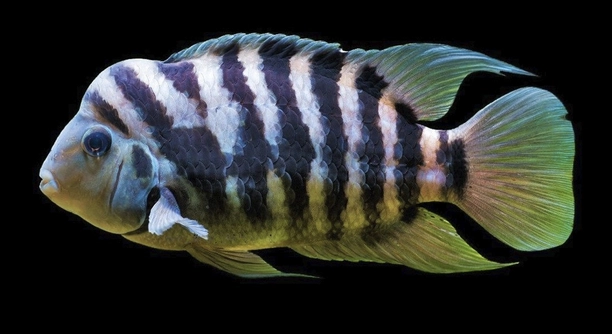
Using natural elements like driftwood in aquariums can add a beautiful and rustic touch to the environment. Many fishkeepers enjoy creating habitats that mimic the natural homes of their aquatic pets. Driftwood often plays a key role in these setups, especially for certain fish species.
Driftwood is suitable for cichlid tanks if properly prepared and chosen carefully. It can help maintain water chemistry by releasing beneficial tannins and creating hiding spots. However, it is essential to select driftwood types that do not harm water quality or fish health.
Knowing the right type of driftwood and how to prepare it can improve your tank’s ecosystem and support your cichlids’ wellbeing. This article explains important considerations for using driftwood safely in cichlid tanks.
Why Driftwood Is Popular in Cichlid Tanks
Driftwood is a natural decoration often used in freshwater aquariums to create a more natural environment. For cichlid tanks, it offers several benefits. The wood provides hiding spots, which reduce stress for territorial fish like cichlids. It also helps establish boundaries within the tank, which is important because cichlids can be aggressive. Additionally, driftwood releases tannins that slightly lower the pH of the water, creating conditions similar to the fish’s native habitats. This can improve their overall health and behavior. The darkened water caused by tannins can also reduce light levels, helping shy cichlids feel safer. It’s important to select driftwood that sinks easily and does not release harmful substances. Preparing the wood by soaking or boiling it helps remove impurities and prevents the water from becoming cloudy. Using driftwood carefully enhances both the look and health of a cichlid tank.
Driftwood also contributes to the tank’s natural appearance while supporting fish wellbeing.
Proper preparation and selection are necessary to avoid negative effects on water quality.
Preparing Driftwood for Your Cichlid Tank
Before placing driftwood in a cichlid tank, it is important to prepare it properly. First, clean the wood by scrubbing off dirt, algae, or loose bark. Avoid using soap or chemicals that could harm the fish. Next, soak the driftwood in water for several days to weeks. This soaking helps release tannins gradually and reduces the chance of discoloring the water too much. Boiling driftwood can speed up this process and kill any unwanted bacteria or parasites. After soaking, monitor the water for cloudiness or strong odors. Changing the soak water regularly can help clear the wood faster. It is also wise to check that the wood sinks fully before adding it to the tank. Floating driftwood can cause problems for filtration and disturb the tank setup. By preparing driftwood carefully, you ensure a safer and healthier environment for your cichlids.
Choosing the right driftwood and preparing it well can prevent water issues.
Properly treated wood supports water balance and fish comfort.
Taking time with preparation helps avoid sudden changes that stress your fish.
Driftwood needs patience to prepare but adds real value to the tank.
Types of Driftwood Suitable for Cichlids
Not all driftwood is safe or suitable for cichlid tanks. Mopani wood is a popular choice because it sinks easily and has a smooth texture that is less likely to harm fish. Malaysian driftwood is another option known for releasing fewer tannins and lasting a long time underwater. Manzanita and cholla woods are often recommended for their interesting shapes and durability. Avoid soft woods like pine or cedar, which can release harmful resins or toxins. Driftwood collected from unknown sources may carry pesticides or pollutants and should be avoided unless properly sterilized. Buying aquarium-safe driftwood from trusted suppliers reduces risks. Each type of wood has a different impact on water chemistry, so it’s useful to monitor the tank’s pH and hardness after adding new pieces. Selecting wood that fits your tank size and complements your cichlid species supports both aesthetics and fish health.
Choosing driftwood with care keeps your aquarium safe and stable.
Different types of wood affect water chemistry in varying ways.
Using tested wood types helps maintain a balanced tank environment.
Potential Risks of Using Driftwood in Cichlid Tanks
Driftwood can affect water parameters and cause discoloration if not managed well. Some types release too many tannins, lowering pH excessively. Driftwood may also introduce unwanted organisms or toxins if not properly cleaned.
Too many tannins in the water can make it acidic, which may stress some cichlids. Driftwood that isn’t soaked or boiled properly might release debris and cloud the water, making maintenance harder. In some cases, sharp edges on driftwood can injure fish. Monitoring water quality regularly helps catch these issues early. Removing or replacing problematic driftwood is sometimes necessary to protect the tank’s balance.
Certain driftwood types can promote algae growth by providing surfaces for spores to settle. Driftwood should be checked for decay, as rotting wood can pollute water with harmful substances. It is also important to avoid wood treated with chemicals or preservatives. Taking these precautions ensures driftwood remains a benefit rather than a risk in your cichlid tank.
Managing Water Chemistry with Driftwood
Driftwood influences water chemistry primarily by releasing tannins, which lower pH and soften water. This effect mimics the natural habitats of many cichlid species from soft, acidic waters. However, the degree of change depends on the type and amount of driftwood used.
If the pH drops too low, some cichlids may experience stress or health problems. Regular water testing helps track changes and allows adjustments as needed. Adding buffering agents or performing partial water changes can stabilize pH. It’s important to find a balance that suits the specific cichlid species in your tank. Careful monitoring keeps the environment safe and comfortable.
Beyond pH, driftwood can also impact water hardness by binding minerals. This can be beneficial for species that prefer softer water but may not suit those needing harder conditions. Understanding your cichlids’ preferences and regularly checking water parameters ensures the driftwood supports a healthy aquarium environment.
Cleaning and Maintenance of Driftwood
Driftwood should be cleaned regularly to prevent algae buildup and decay. Use a soft brush or sponge to gently scrub its surface. Avoid harsh chemicals that can harm fish or disrupt water balance.
Soaking driftwood occasionally helps remove accumulated debris and tannins. Keep an eye on any changes in texture or smell, which may signal the need for replacement.
Effects of Driftwood on Cichlid Behavior
Driftwood offers hiding places that reduce stress for territorial cichlids. It creates natural boundaries, helping minimize conflicts. Many cichlids feel safer with shaded areas, which driftwood provides, encouraging natural behaviors.
Alternatives to Driftwood in Cichlid Tanks
Rocks, caves, and artificial decorations can also create hiding spots and boundaries. These alternatives do not affect water chemistry but may lack the natural aesthetic driftwood provides.
Monitoring Water Parameters
Regularly test pH, hardness, and tannin levels. Consistent monitoring ensures the environment remains stable for your cichlids’ health and comfort.
FAQ
Can driftwood change the color of my tank water?
Yes, driftwood releases tannins that can tint the water a tea-like brown. This is natural and often desired for creating a more natural habitat. However, excessive tannins may reduce water clarity. Soaking or boiling driftwood before adding it to the tank helps limit this effect.
Is driftwood safe for all cichlid species?
Not all cichlids thrive in water altered by driftwood. Species from hard, alkaline waters may struggle with the softer, more acidic conditions caused by tannins. Research your specific cichlid species’ natural habitat to decide if driftwood is appropriate for your tank.
How long should I soak driftwood before adding it to the tank?
Soaking driftwood for at least several days is recommended. Some hobbyists soak it for weeks to fully release tannins and prevent excessive discoloration. Boiling the wood for an hour or more can speed up this process and help sterilize it.
Can driftwood cause harmful spikes in ammonia or other toxins?
If driftwood is not properly cleaned or starts to rot, it can release organic waste that contributes to ammonia spikes. This can harm fish and disrupt water quality. Regular maintenance and replacing driftwood if it shows signs of decay prevent this issue.
Will driftwood affect my aquarium’s pH permanently?
Driftwood can lower pH temporarily by releasing tannins, but its effect usually stabilizes over time. Maintaining regular water changes and testing helps keep pH within safe levels. If the pH drops too low, you may need to remove the wood or adjust the water chemistry.
How do I clean algae off driftwood safely?
Use a soft brush or sponge to gently remove algae. Avoid chemicals or soaps, as these can harm fish. Regular water changes and proper lighting control can help prevent algae buildup on driftwood.
Is it necessary to remove driftwood for tank cleaning?
It depends. Light cleaning can be done without removing driftwood, but if the wood needs soaking or shows signs of decay, it should be taken out. Removing driftwood temporarily also allows for better cleaning of the tank surfaces underneath.
Can driftwood provide benefits besides decoration?
Yes, driftwood offers shelter and breeding sites for cichlids. It also creates a more natural environment that can reduce fish stress and encourage natural behaviors like hiding and territoriality.
How often should I replace driftwood in a cichlid tank?
Driftwood can last years if properly maintained. Replace it only if it starts to rot, breaks apart, or negatively impacts water quality. Regular inspection helps identify when replacement is necessary.
Can I use driftwood from outside sources?
Using driftwood collected from outdoors can be risky. It may carry pesticides, parasites, or pollutants. If using natural sources, sterilize the wood by boiling or soaking it for an extended time before adding it to the tank.
What are signs that driftwood is harming my fish?
Watch for unusual fish behavior like hiding excessively, loss of appetite, or signs of illness. Also, monitor water quality for unexpected changes in pH, ammonia, or clarity. These may indicate that the driftwood is negatively affecting the tank environment.
Does driftwood affect the tank’s filtration system?
Driftwood itself does not harm filtration but can release tannins or debris that clog filters if not maintained. Regular filter cleaning and monitoring help prevent problems linked to driftwood use.
Can I combine driftwood with other natural decorations?
Combining driftwood with rocks, plants, and substrate mimics a natural habitat effectively. Just ensure the combined elements do not conflict in their effects on water chemistry or fish behavior.
Is driftwood beneficial for breeding cichlids?
Yes, many cichlids use driftwood as spawning sites or for protecting fry. The wood’s crevices offer secure places for eggs and young fish to hide from predators or aggressive tank mates.
How do I choose the right size of driftwood for my tank?
Select driftwood sized proportionally to your tank and fish. Large pieces can create good hiding spots but may overcrowd smaller tanks. Smaller pieces are easier to clean and arrange but might not provide enough shelter for territorial cichlids.
What should I do if my tank water becomes too dark from driftwood?
Perform partial water changes and soak the wood outside the tank to reduce tannin release. Activated carbon in the filter can also help clear discoloration. Balancing the amount of driftwood with the tank volume prevents excessive darkening.
Can driftwood help with algae control?
Driftwood itself does not control algae but can reduce light penetration by darkening water, which may limit algae growth. Proper tank maintenance and balanced lighting remain the primary methods for controlling algae.
Does driftwood require special care during winter or colder months?
No special care is usually needed, but maintaining stable temperature and water conditions is important year-round. Driftwood does not typically change behavior with seasons indoors.
How do tannins benefit cichlids?
Tannins create slightly acidic water that many cichlids prefer. They also have mild antifungal and antibacterial properties, which can promote fish health. The tinted water simulates natural environments, helping fish feel more comfortable.
Can driftwood be combined with live plants?
Yes, driftwood provides excellent anchor points for plants like Anubias or Java fern. Combining driftwood and plants enhances the natural look and improves water quality by supporting beneficial bacteria.
This FAQ covers common concerns and care tips to help you use driftwood effectively in your cichlid tank. Proper preparation and maintenance ensure a safe and healthy environment for your fish.
Driftwood can be a valuable addition to a cichlid tank when used correctly. It offers more than just visual appeal by providing hiding places and helping to create a natural environment similar to the fish’s native habitat. Many cichlids benefit from the shelter and boundaries that driftwood creates, which can reduce aggression and stress. The wood also releases tannins that slightly lower pH and soften the water, conditions that are suitable for several cichlid species. However, it is important to remember that not all driftwood is the same, and some types can impact water quality negatively if not prepared and maintained properly.
Preparation is key when using driftwood in an aquarium. Thorough cleaning, soaking, or boiling helps remove impurities and reduces the release of excessive tannins that might darken the water too much. Monitoring water parameters regularly is essential to avoid sudden changes that could harm your fish. Driftwood should be inspected for signs of decay or damage and replaced if it begins to break down. Proper maintenance also includes cleaning algae off the wood and ensuring it does not interfere with the tank’s filtration. Taking these steps helps keep the tank environment stable and healthy for cichlids.
While driftwood is a natural and beneficial choice for many cichlid tanks, it is not suitable for every setup. Some cichlid species prefer harder or more alkaline water and may not thrive with driftwood that lowers pH. Alternatives like rocks or artificial decorations can offer hiding spots without changing water chemistry. Ultimately, knowing your fish’s needs and carefully selecting the right type of driftwood will contribute to a successful aquarium. When used thoughtfully, driftwood can enhance both the look and the wellbeing of your cichlids, making the tank a better place for them to live.

Hello,
If you enjoy the content that we create, please consider saying a "Thank You!" by leaving a tip.
Every little bit helps us continue crafting quality advice that supports the health, happiness, and well-being of pets around the world, for pets of all shapes, sizes, and species.
We really appreciate the kindness and support that you show us!