
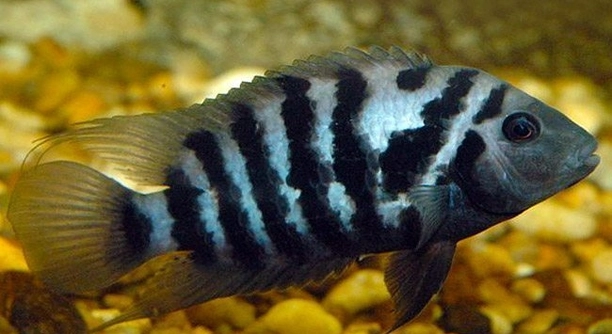
African cichlids are colorful and active fish that many people enjoy keeping in home aquariums. These fish can sometimes get injured due to their environment or interactions with other fish. Taking steps to prevent injuries helps maintain their health and happiness.
Preventing injuries in African cichlids involves creating a safe habitat, controlling aggression among fish, and providing proper care. Ensuring clean water, stable conditions, and suitable tank decorations reduces the risk of harm, while monitoring fish behavior helps address conflicts early.
Knowing how to protect your cichlids will make caring for them easier and more rewarding. This article explains key methods to keep your fish safe and thriving in their environment.
Creating a Safe Habitat for African Cichlids
Setting up a safe habitat is the first step in preventing injuries among African cichlids. The tank should be large enough to allow swimming space and reduce stress. Use smooth rocks and decorations without sharp edges, as these can cause cuts or scrapes. Proper filtration and regular water changes keep the water clean and stable, which is essential for the fish’s health. Avoid overcrowding the tank, since too many fish can lead to aggressive behavior and accidental harm. Adding plenty of hiding spots with caves or plants helps fish feel secure and reduces fighting. The right water parameters, like temperature and pH, should match the cichlids’ natural habitat to keep them strong. Checking the tank daily for any signs of damage or stress in the fish allows for quick action if problems arise. Careful setup prevents many common injuries before they happen.
Keeping the tank environment clean and safe is key to minimizing risks of injuries and improving your cichlids’ well-being.
Good tank design not only protects your fish but also supports their natural behavior, helping them stay healthy and active.
Managing Aggression Among Fish
Aggression between cichlids is common but manageable. Observing fish behavior regularly helps catch early signs of trouble. Separating overly aggressive fish or rearranging the tank layout can reduce conflicts. Using tank dividers or increasing hiding spots often calms the environment. Feeding fish properly also decreases aggression, as hunger can make them more hostile. Adjusting the number of males and females can balance social dynamics and reduce fights. Creating a peaceful space requires attention to individual fish personalities and the overall group. Managing aggression carefully lowers injury risk and keeps your aquarium more enjoyable to watch.
Providing Proper Nutrition
A balanced diet is essential to keep African cichlids healthy and reduce injury risk. Proper nutrition strengthens their immune system and supports healing if injuries occur.
Feeding a varied diet with high-quality pellets, flakes, and occasional live or frozen foods ensures cichlids get the nutrients they need. Avoid overfeeding, as excess food can pollute the tank and stress the fish. Vitamins and minerals in their diet promote strong fins and scales, which act as natural protection. Consistent feeding schedules also help maintain their health.
Some cichlids may need specific supplements, especially if showing signs of stress or damage. Watching for changes in eating habits can alert you to possible health or injury problems early. Proper nutrition plays a big role in preventing injuries and keeping your fish active.
Regular Tank Maintenance
Cleaning the tank regularly prevents harmful bacteria buildup that can cause infections or worsen injuries. Removing uneaten food and waste improves water quality, making it safer for your cichlids.
Changing 20-30% of the water weekly keeps the environment stable and reduces toxins. Testing water parameters like pH, ammonia, nitrites, and nitrates helps catch harmful changes before they affect your fish. Filters should be cleaned and replaced as needed to keep water flowing smoothly. Checking for sharp objects or broken decorations during cleaning prevents accidental cuts. Regular tank maintenance protects your fish from injury and supports their overall health, making your aquarium a better home.
Monitoring Fish Behavior
Watching your African cichlids closely helps detect early signs of injury or stress. Look for unusual swimming patterns, hiding more than usual, or visible wounds.
Promptly addressing any aggressive behavior or illness reduces the chance of serious injury. Regular observation keeps your fish safe and healthy.
Quarantine New Fish
Introducing new fish without quarantine risks spreading disease or causing fights. Isolate new arrivals in a separate tank for at least two weeks.
This practice helps prevent infections and lets you observe their health before mixing them with established fish. Quarantine protects your entire aquarium.
Treating Injuries Promptly
Minor cuts and scrapes heal faster when treated quickly. Remove injured fish if needed to prevent further harm.
Use aquarium-safe antiseptics and keep water clean to avoid infection. Early treatment reduces complications and helps fish recover fully.
FAQ
How can I tell if my African cichlid is injured?
Look for visible signs like torn fins, scratches, or unusual spots on the body. Also, watch for changes in behavior such as hiding, lack of appetite, or sluggish swimming. Injured fish may rub themselves against objects or show signs of stress like rapid gill movement. Early detection helps in quick treatment and prevents worsening.
What should I do if my cichlid gets injured?
Isolate the injured fish to avoid further attacks. Clean the tank to reduce the risk of infection and consider using aquarium-safe antiseptics. Monitor water quality closely, as clean water speeds healing. Provide a stress-free environment with hiding spots and avoid overcrowding until the fish recovers.
Can aggression be completely stopped in African cichlids?
No, aggression is natural, but it can be managed. Providing enough space, hiding places, and balanced group composition helps reduce fights. Regular observation and timely separation of aggressive individuals can prevent serious injuries.
How often should I clean my tank to prevent injuries?
Regular cleaning is important. Change about 20-30% of the water weekly and remove leftover food daily. Clean filters monthly or as needed. This keeps water quality high, reducing stress and risk of infections, which can lead to injuries.
What kind of decorations are safest for preventing injuries?
Use smooth rocks, rounded gravel, and plastic or silk plants rather than sharp or rough materials. Avoid glass or sharp-edged ornaments. Plenty of caves and hiding spots reduce aggression and protect fish from accidental cuts.
Is it okay to keep different species of cichlids together?
It depends on the species and tank size. Some cichlids are more aggressive and territorial, so mixing species can increase fights. Research compatibility and provide enough space and hiding spots if you keep multiple species together.
How can diet affect injury prevention?
A balanced diet strengthens fish immune systems and promotes healthy skin and fins. Nutrient-rich food reduces vulnerability to infections and helps heal wounds faster. Avoid overfeeding to keep water clean and reduce stress.
What signs show that a fish is stressed and more likely to get injured?
Signs include hiding constantly, loss of appetite, erratic swimming, and pale colors. Stress weakens the immune system, making fish prone to disease and injury. Maintaining good tank conditions and reducing aggression helps lower stress.
Should I use medication regularly to prevent infections from injuries?
No, medications should only be used when necessary, as overuse can harm beneficial bacteria and fish health. Focus on prevention with clean water and good care. Treat injuries with medicine only if signs of infection appear.
Can tank size impact the likelihood of injury?
Yes, a small or overcrowded tank increases stress and aggression, leading to more injuries. Providing enough space allows fish to establish territories and avoid conflicts. Follow recommended tank sizes based on the number and type of cichlids.
How do I handle aggressive fish without hurting them?
Use tank dividers, rearrange decorations to disrupt territories, or move aggressive fish to a separate tank. Avoid physical harm by not handling fish roughly. Patience and observation help manage behavior gently.
Are some cichlid species more prone to injuries?
Yes, certain species are naturally more aggressive or territorial. These fish may cause more fights and injuries if kept in small tanks or with incompatible tank mates. Knowing species traits helps prevent problems.
What should I do if I notice a fin rot or infection?
Start treatment quickly with appropriate aquarium medicine. Improve water quality and isolate the affected fish if needed. Fin rot often follows injuries, so keeping the environment clean is essential to prevent it.
Can lighting affect cichlid behavior and injury risk?
Yes, bright or inconsistent lighting can stress fish, causing agitation and aggression. Use moderate, stable lighting with places of shade to help fish feel secure and calm, reducing injury chances.
Is it safe to add new fish directly to the main tank?
No, always quarantine new fish for at least two weeks. This prevents introducing diseases or aggressive behavior that can lead to injuries. Quarantine allows you to monitor their health before adding them to the community.
This FAQ covers key points to help keep African cichlids safe and healthy, reducing the chance of injuries through proper care and attention.
African cichlids are beautiful and lively fish that can brighten any aquarium. Keeping them safe from injuries takes some care and attention. By setting up a good environment, watching their behavior, and providing proper food and tank maintenance, you can help your cichlids stay healthy and happy. Injuries can cause stress and illness, so preventing them is important for the well-being of your fish. Simple steps like using smooth decorations, avoiding overcrowding, and keeping the water clean go a long way toward protecting your fish.
It is normal for cichlids to show some aggression, but this can be managed. Giving them enough space and hiding spots reduces fights and helps lower stress. Watching your fish regularly will help you notice any problems early. If you see signs of injury or stress, taking action quickly will help your fish heal and avoid more serious issues. Feeding a balanced diet also keeps their bodies strong and better able to resist infections and heal from wounds. Consistency in care routines supports their overall health.
Taking care of African cichlids can feel rewarding when you see them thriving in a safe environment. It is important to be patient and observe your fish closely to understand their needs. Every tank and group of fish is different, so learning what works best for your setup will improve your experience. By following good care practices and being mindful of potential risks, you create a healthy space where your cichlids can live without injury. This makes both the fish and the aquarium keeper happier in the long run.

Hello,
If you enjoy the content that we create, please consider saying a "Thank You!" by leaving a tip.
Every little bit helps us continue crafting quality advice that supports the health, happiness, and well-being of pets around the world, for pets of all shapes, sizes, and species.
We really appreciate the kindness and support that you show us!