
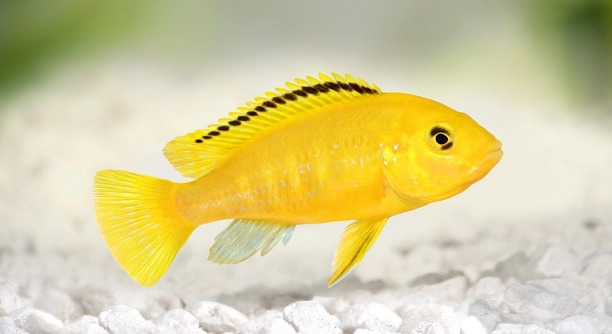
Are your vibrant African cichlids part of a carefully maintained aquarium you’ve worked hard to keep stable and healthy? Sudden power outages can make any fish keeper worry about the well-being of their aquatic pets.
African cichlids can survive short power outages, but their survival depends on factors like water temperature, oxygen levels, and the overall health of the tank. Extended outages without intervention may lead to serious stress or death.
Understanding how these power disruptions affect your cichlids can help you respond quickly and protect your aquarium’s balance during emergencies.
How Power Outages Affect Your African Cichlids
Power outages can quickly create problems for your African cichlids. These fish rely on stable water temperatures, oxygen circulation, and clean water. When the power goes out, heaters, filters, and air pumps stop working. This causes the water to cool, oxygen levels to drop, and waste to build up. African cichlids are more sensitive to temperature changes than some other fish, and stress can show up fast. If the power is out for just an hour or two, most healthy cichlids will be okay. But longer outages can become dangerous, especially if the tank is heavily stocked or poorly maintained. Good tank preparation can help reduce the risks during a power cut. You don’t always need expensive backup gear, but simple steps make a big difference. Paying attention to how your tank reacts in the first few hours is key to keeping your cichlids safe.
The main concerns during a power outage are temperature drop, oxygen loss, and waste buildup. These factors put stress on your fish.
In cooler rooms, water can drop below safe levels quickly. African cichlids prefer temperatures between 75°F and 82°F. If water dips too low, their immune systems weaken. Without circulation, oxygen levels fall, especially at night when plants and bacteria also use oxygen. Waste also begins to build up because filters stop working. Even if the water looks clear, ammonia and nitrite levels may rise. You may notice your fish breathing faster or staying near the surface. These signs mean oxygen is low, and your cichlids are struggling. A battery-powered air pump or manually stirring the water can help in the short term. Covering the tank with blankets can keep heat in. Feeding should stop during outages to prevent more waste. Observing your tank’s response early gives you a better chance of avoiding serious harm. Quick action matters.
Simple Ways to Prepare
Keeping a few items on hand can make a big difference during unexpected outages. These tools don’t need to be expensive or complicated.
Battery-powered air pumps are one of the most helpful tools you can keep around. They are easy to use and can keep the water moving when your main filter is off. Oxygen is often the first thing to drop, and even basic movement helps. You can also keep plastic jugs of warm water ready to float in the tank if the temperature starts to fall. A clean towel or blanket over the tank holds in heat. Some fishkeepers also keep USB-powered heaters or air pumps that work with a power bank. It’s helpful to test these tools before you actually need them. Avoid feeding your fish during outages, as uneaten food and waste can pollute the water. Also, do small water changes if the outage lasts more than a day. Being prepared gives your cichlids a better chance during stressful events.
Monitoring Your Tank During an Outage
Watch your cichlids closely during a power outage. Look for signs of stress like rapid gill movement, unusual swimming, or staying near the surface. These can mean low oxygen or temperature changes are becoming a problem.
Check the water temperature every hour if possible. Use a floating thermometer or an infrared one if you have it. If the water drops below 72°F, start warming it using safe methods like floating sealed bags of warm water. Stir the surface gently every so often to help bring in oxygen. If your tank has live plants, they may provide a small oxygen boost during daylight, but don’t rely on them alone. Keep the tank covered with a blanket to hold in warmth, but don’t seal it completely—your fish still need air. Quiet surroundings also help reduce stress during these times.
Test your water if the outage lasts more than 12 hours. Use a liquid test kit to check ammonia and nitrite levels. If they’re rising, do a small water change with pre-conditioned water. Don’t feed your fish during this time—leftover food can quickly make things worse. Keep light use to a minimum, and don’t panic if your fish seem less active. They may just be conserving energy. When power returns, restart your equipment slowly. Check that filters are running and heaters are stable before feeding. Avoid large water changes right away. Let the tank settle and monitor the fish for signs of stress or illness. Keep calm and take things one step at a time.
What to Do After Power Comes Back
Once power returns, check all equipment right away. Make sure the filter is running properly and the heater turns on. If something doesn’t restart, fix it quickly or find a temporary backup. Don’t feed your fish immediately—wait at least a few hours.
Give your tank a little time to stabilize. Check temperature, pH, and ammonia levels within the first hour. If the filter has been off for a long time, rinse it gently in tank water—not tap water—to remove dead bacteria. This helps avoid a spike in ammonia. Watch your fish closely over the next day or two. Some may act shy or slow; this is normal after stress. If you see heavy breathing or odd swimming, keep testing the water and consider small water changes. Avoid using chemicals unless absolutely needed. A stable environment is the best support. Sometimes, it takes a couple of days for everything to return to normal.
Signs Your Cichlids Are in Trouble
If your cichlids are gasping at the surface or hovering near one spot, they may be low on oxygen. This usually means the water isn’t moving enough and needs attention quickly.
Other signs include faded colors, erratic swimming, or clamped fins. These can point to stress from cold water or poor water quality.
How Long Can African Cichlids Go Without Power?
Most African cichlids can survive 6 to 12 hours without power if the tank was healthy beforehand. After 12 hours, oxygen levels may drop too low, especially in crowded tanks. If temperatures fall below 70°F or ammonia builds up, the risks increase. Having backup supplies or a plan ready can make a big difference during long outages. Even a simple action, like manually agitating the water, can help buy time. Some fish may last longer, but recovery becomes harder the longer the outage lasts. Keeping calm and acting early gives your cichlids the best chance of staying safe.
When to Call It an Emergency
If oxygen stays low, temperature drops sharply, or ammonia rises past safe levels, treat the situation as an emergency. Quick action is necessary to prevent long-term harm.
FAQ
How long can African cichlids survive without power?
African cichlids can generally survive 6 to 12 hours without power if the tank is healthy and stable before the outage. Short outages under this time usually cause little harm. However, if the outage lasts longer, oxygen levels drop, and temperature changes can stress or even kill the fish. The number of fish in the tank and the water conditions also matter—a crowded or poorly maintained tank is at higher risk during outages. Taking simple steps during the first hours can help your fish survive longer without power.
What should I do immediately after a power outage?
First, check that all equipment is working properly when power returns. Make sure heaters and filters are running without problems. Avoid feeding your fish right away; wait a few hours until water parameters stabilize. Test water quality for ammonia, nitrite, and temperature changes. If needed, perform small water changes with pre-conditioned water. Watch your fish for stress signs like slow movement or heavy breathing. Slowly restart your routine and give your fish time to recover.
Can I use a battery-powered air pump during an outage?
Yes, a battery-powered air pump is one of the best tools to keep your tank oxygenated during an outage. It helps circulate the water and brings more oxygen to the surface. Even a small air stone connected to a pump can make a big difference, especially if the outage lasts several hours. Make sure to test the pump and have spare batteries ready before you actually need it.
Is it safe to feed fish during a power outage?
It is better to avoid feeding your fish during a power outage. Uneaten food will quickly decay without proper filtration, which raises ammonia and nitrite levels. This can cause additional stress or harm to your fish. If the power outage is short, your fish can survive without food for a day or two. Feeding can resume once the water quality stabilizes and your equipment is running again.
How can I keep the water temperature stable when the heater is off?
Covering the tank with blankets or towels helps keep warmth inside the tank. Floating sealed bags filled with warm water can slowly transfer heat without shocking the fish. Avoid sudden temperature changes, as African cichlids are sensitive to cold. If the room is cold, move the tank to a warmer spot if possible. Avoid heating the tank too quickly when power returns, as this can cause more stress.
What are the signs of ammonia poisoning after a power outage?
Ammonia poisoning signs include red or inflamed gills, gasping at the surface, lethargy, and loss of appetite. Your fish may also rub themselves against objects in the tank or swim erratically. Ammonia levels rise when the filter stops working, and waste builds up. Test your water after an outage and do water changes if ammonia is detected. Keeping your filter clean and your tank maintained reduces the chance of this happening.
How can I prepare my tank for future outages?
Keep emergency supplies like battery-powered air pumps, extra batteries, and plastic bags filled with warm water. Test these tools regularly. Consider a power backup option, like a UPS or generator, if outages happen often in your area. Maintain a healthy tank with regular water changes and avoid overcrowding. Know the signs of stress so you can react quickly. Simple preparation goes a long way in protecting your cichlids during outages.
Can plants in the tank help during an outage?
Live plants produce oxygen during daylight, which can slightly improve oxygen levels during a short outage. However, plants also consume oxygen at night, so they can’t fully replace aeration or filtration. Relying only on plants is risky. Use plants as a small aid but always prepare with proper equipment for emergencies.
What if the power outage happens at night?
Night outages are especially risky because fish and bacteria continue to use oxygen without photosynthesis from plants. Oxygen levels can drop faster. Having a battery-powered air pump ready is even more important. Avoid opening the tank at night to keep warmth in. Monitor your fish closely the next morning and test water parameters as soon as possible.
Is it normal for fish to hide or stay still during an outage?
Yes, fish often hide or reduce activity to conserve energy during stressful conditions like a power outage. This behavior helps them cope with lower oxygen or temperature changes. If the fish return to normal behavior after power is restored, it is usually a good sign. Prolonged hiding or unusual behavior after power returns might mean your fish need extra care or water tests.
African cichlids are beautiful and lively fish that bring a lot of joy to any aquarium. However, they are sensitive to changes in their environment, especially when the power goes out. Power outages stop important equipment like heaters and filters, which can affect water temperature and oxygen levels quickly. This creates stress for the fish and can lead to serious health problems if the outage lasts too long. Understanding what happens during a power outage and knowing how to prepare can help protect your cichlids and keep them healthy.
It is important to act quickly and calmly during a power outage. Watching your fish for signs of stress, such as gasping or unusual swimming, helps you know when to intervene. Simple steps like covering the tank to keep warmth in, using battery-powered air pumps to move water, and avoiding feeding can make a big difference. Keeping your water clean and testing it after power returns are also key to helping your fish recover. Having some emergency tools ready and knowing how your tank reacts will improve your chances of protecting your fish in the future.
Even though power outages are stressful, they do not always cause permanent harm if handled carefully. Most African cichlids can survive short outages without major problems. Being prepared and paying close attention during and after an outage will help you maintain a stable and safe home for your fish. This way, you can enjoy watching your cichlids thrive for a long time. Taking the time to learn and prepare is the best way to keep your aquarium balanced, no matter what challenges come your way.

Hello,
If you enjoy the content that we create, please consider saying a "Thank You!" by leaving a tip.
Every little bit helps us continue crafting quality advice that supports the health, happiness, and well-being of pets around the world, for pets of all shapes, sizes, and species.
We really appreciate the kindness and support that you show us!