
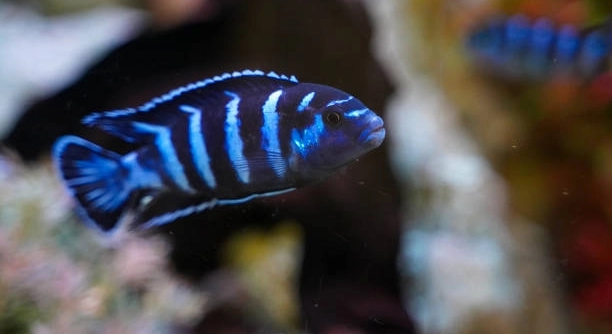
Do you ever find yourself watching your African cichlids change color and wonder what it could possibly mean for their health or behavior?
Color changes in African cichlids are often a response to environmental conditions, social interactions, stress, breeding readiness, or health status. These shifts serve as visual indicators of mood, dominance, or physical condition.
While it may seem like a simple splash of color, each change carries meaning that can help you better care for your fish and their environment.
What Triggers Color Changes in African Cichlids
African cichlids often change color due to specific triggers in their environment or social setting. One common reason is dominance. A male cichlid may brighten his colors to show strength, especially during breeding. In contrast, a stressed or submissive fish might lose color or appear pale. Changes in water conditions, like pH or temperature, also affect how vibrant their colors appear. Sudden shifts in lighting or tank layout can cause temporary changes as well. Illness and poor nutrition may dull their appearance, signaling a need for attention. These color signals are not random; they’re a way for your fish to react to what’s happening around them and communicate their status.
Strong colors usually show confidence, while fading often signals stress. It’s important to notice how these changes match your fish’s behavior and tank conditions.
To understand your fish better, take time to observe them regularly. Pay attention to their habits, who they interact with, and how their colors shift throughout the day. When a new fish is added to the tank, for example, you might notice the dominant fish becoming more vivid while others fade a bit. These shifts help you understand their social structure. If colors remain dull despite stable conditions, check for signs of illness or poor water quality. A healthy African cichlid kept in a clean tank with proper food and care will usually show clear, strong colors. Even small adjustments in their surroundings can lead to noticeable changes in how they look. Watching these patterns helps you respond early to stress or health concerns before they become bigger issues.
Breeding Colors and What They Mean
During breeding, male African cichlids display stronger and brighter colors. This signals readiness to attract females and defend territory.
These intense color displays are a natural part of their mating behavior. Bright patterns help males stand out and show their strength to potential mates. At the same time, they also use these colors to warn off rivals and protect their space. Female cichlids might also change slightly in color, but it’s often more subtle. These shifts don’t last long—they usually fade once the breeding process is over. If you notice a sudden burst of color in one of your males and he’s guarding a spot in the tank, it likely means he’s preparing to breed. Providing a peaceful tank with hiding spaces helps support the process. Keeping a close eye during this period is important, as aggression can increase. Understanding these color changes helps you respond in a calm and supportive way.
Stress-Related Color Fading
Stress is one of the most common causes of color fading in African cichlids. Changes in water quality, overcrowding, or aggression from tank mates can quickly lead to duller colors and more withdrawn behavior.
When cichlids feel unsafe or uncomfortable, their bodies respond by reducing pigmentation. This can happen suddenly and may affect the whole body or just certain areas. A fish that was once bold and vibrant may look pale or washed out. Check for common stressors like ammonia spikes, loud environments, or poor diet. A stressed fish might also hide more often or lose its appetite. Simple changes like adding plants, adjusting tank mates, or improving filtration can make a big difference. Watching your cichlids closely during these times helps you spot the source of stress faster and take action before things get worse.
Giving your fish a peaceful, stable environment is key to keeping their colors strong. Avoid sudden changes in lighting, tank setup, or water chemistry. Cichlids are sensitive to shifts, and too many changes at once can overwhelm them. Also, be mindful of tank size—crowded tanks lead to competition, which increases stress. A well-planned tank layout with rocks and hiding spots allows less dominant fish to feel safe. Keep a consistent feeding schedule and offer a varied diet with high-quality pellets and occasional frozen treats. When fish feel secure and well-fed, they’re more likely to show their natural colors. These small habits go a long way in helping your cichlids stay healthy and vibrant.
Health Issues Behind Color Changes
Some color changes in African cichlids are caused by health problems. If your fish stays pale, acts sluggish, or separates from others, illness may be involved. Look closely for torn fins, bloating, or strange swimming.
Parasites, bacterial infections, or internal problems can all affect your cichlid’s appearance. These conditions often develop when water quality drops or the tank is overcrowded. A dull color might be the first sign something is wrong. Watch for white spots, flashing (rubbing against tank surfaces), or rapid breathing. If you notice these signs, isolate the fish if possible and begin treatment right away. Test your water and make sure ammonia and nitrite levels are at zero. Medication may be needed, depending on the symptoms. Catching illness early helps prevent it from spreading to other fish. Keeping the tank clean and feeding a nutritious diet also strengthens your cichlid’s immune system and keeps colors from fading due to poor health.
Natural Color Shifts Over Time
As African cichlids age, it’s normal for their colors to change slightly. Juveniles often start with duller shades and develop brighter colors as they mature. This change can take weeks or even months.
Some species also shift color based on time of day or seasonal cues. These changes are harmless and part of their natural rhythm.
How Diet Impacts Color
What your cichlids eat plays a big role in how vibrant they look. A diet rich in high-quality ingredients supports healthy pigmentation. Foods with natural color enhancers like spirulina, krill, or carotenoids help bring out reds, blues, and yellows. Feeding only generic flakes or low-nutrient pellets can lead to dull tones over time. Try to offer a mix of sinking pellets, frozen foods, and occasional treats like brine shrimp. Rotate food types to cover a full range of nutrients. A well-fed cichlid not only stays healthy but also displays richer, more consistent colors. Always check labels and avoid fillers or artificial dyes in their diet.
Color as a Communication Tool
Color changes are often how cichlids communicate mood or intent. Bright colors can mean confidence or mating readiness, while pale tones may signal fear, stress, or submission.
FAQ
Why is my African cichlid turning black or darker in color?
A cichlid turning darker often signals dominance, breeding readiness, or stress. Males, in particular, may darken to show they’re in control or ready to mate. However, darkening can also happen when fish feel threatened or are being bullied. Watch for signs of aggression or stress in the tank. If the fish looks healthy and active, the color change is likely natural. But if it hides, stops eating, or shows other unusual behavior, check your water parameters and observe interactions with tank mates. Sudden or patchy darkening should be taken more seriously and monitored closely.
Why is my cichlid losing its bright color?
Color loss can be caused by poor water conditions, stress, illness, or a weak diet. First, test the water to make sure ammonia, nitrites, and nitrates are under control. A small spike can lead to noticeable color fading. Also, check for bullying from other fish, as stress from aggression often causes dullness. If your cichlid is eating less or acting different, consider disease as a possible cause. Lastly, review their food. A low-quality or repetitive diet without color-boosting nutrients can make them appear washed out. Fixing one or more of these areas usually helps bring back their color over time.
Do female African cichlids change color too?
Yes, but it’s usually less noticeable than in males. Female cichlids tend to stay more neutral in color, especially outside of breeding. However, they can still display mild color changes during mating, when stressed, or if trying to show dominance. Don’t ignore color changes in females—while they’re often subtle, they still mean something. A pale or faded female may be feeling unwell, or she could be reacting to tension in the tank. Watching behavior along with color shifts helps you better understand what’s going on, even in females who don’t show the same bright displays as males.
How long do color changes usually last?
It depends on the reason behind the shift. If your cichlid is darkening due to dominance or breeding, the change could last a few days or weeks. Stress-related fading might improve in just a few hours after fixing the problem, like doing a water change or removing an aggressive tank mate. Illness-based changes may take longer to improve and will only return to normal once the fish recovers fully. Natural aging or maturity-related color shifts are usually permanent. Always give your fish time to adjust, but act quickly if fading is sudden and doesn’t match their usual patterns.
Can lighting in the tank affect my cichlid’s color?
Yes, lighting has a noticeable effect on how your cichlids look. Bright, full-spectrum lighting helps bring out their natural tones. Some lights are even designed to highlight blues or reds specifically. On the other hand, dull or weak lighting can make them appear faded, even if they’re healthy. Try to keep a consistent light cycle—too much light can stress your fish, while too little might affect their display. If you notice their colors look better at certain times of day, lighting could be playing a role. Choose lighting that supports both their health and appearance.
Do African cichlids ever change color permanently?
Yes. Some color changes are permanent, especially as your fish ages or reaches maturity. Juvenile cichlids often start with plain colors and grow into their adult patterns over time. These permanent shifts are part of normal development. On the flip side, long-term stress or disease can lead to lasting dullness if not treated properly. Once your fish recovers, color may return, but not always to the same intensity. Permanent changes also happen in hybrids, where their coloring can shift in unexpected ways as they grow. Keeping track of each fish’s usual appearance helps you spot real issues faster.
Should I be worried if one cichlid looks different from the rest?
Not always. African cichlids come in many varieties, even within the same species. One fish showing stronger or weaker colors might simply have a different genetic makeup. However, if the change is sudden or comes with behavior changes—like hiding, shaking, or not eating—then it’s worth looking into. Compare its actions to the rest of the group and check for injury, illness, or bullying. A single fish changing color isn’t always a problem, but when it’s paired with other signs, it may need attention. Keep a close eye and make small changes if needed.
Final Thoughts
African cichlids are colorful, active fish that can tell you a lot through their appearance. Their colors often reflect how they feel, what they need, or what is happening in their environment. While these changes may seem sudden or confusing at first, most of them have clear reasons. Bright colors often show confidence, health, or breeding readiness. Pale or dull colors may signal stress, illness, or discomfort. Paying attention to these patterns can help you take better care of your fish and avoid small problems before they become bigger ones. With time and observation, these color changes become easier to understand.
Keeping a stable and clean tank is one of the best ways to help your cichlids maintain healthy colors. Water quality, tank size, lighting, and food all play a part in how your fish looks and behaves. Even small changes, like fixing pH levels or removing a bullying fish, can bring color back to a stressed cichlid. Feeding them high-quality foods, offering hiding spots, and avoiding overcrowding will also support their overall health. While it may seem like a lot to manage, these basic steps make a big difference in how your cichlids feel and how they appear each day.
It’s also important to remember that not every color change means something is wrong. Some shifts are natural and expected, especially as your cichlids grow or interact with others. Learning what is normal for each of your fish takes time, but it helps you notice when something changes. Trust your observations, and don’t ignore warning signs. A dull fish that hides and stops eating needs attention, but one that brightens up during breeding might just be showing off. Color is a useful tool that can guide you as a fish keeper. Staying patient, consistent, and observant will help your African cichlids thrive and show their best colors over time.

Hello,
If you enjoy the content that we create, please consider saying a "Thank You!" by leaving a tip.
Every little bit helps us continue crafting quality advice that supports the health, happiness, and well-being of pets around the world, for pets of all shapes, sizes, and species.
We really appreciate the kindness and support that you show us!