
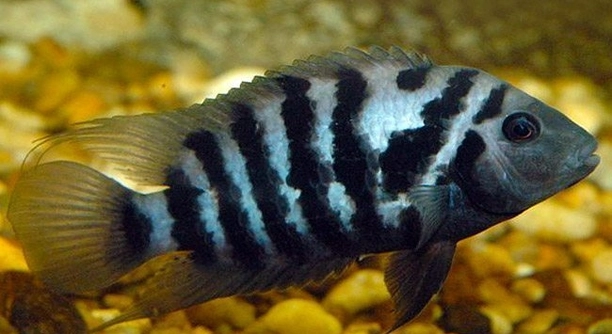
Cichlids are fascinating fish known for their unique behaviors when they form pairs. Observing how they interact offers insight into their natural instincts and social patterns. These behaviors reveal important aspects of their bonding process.
When cichlids pair up, several distinct behaviors become evident. They engage in mutual grooming, territorial displays, and coordinated movements. These actions strengthen their bond and improve their chances of successful breeding and protecting their offspring.
Noticing these signs can help hobbyists better understand their fish and support healthier, more natural environments for them.
Mutual Grooming and Cleaning
When cichlids pair up, one of the first things you’ll notice is how they groom each other. This mutual cleaning helps remove dirt, parasites, and dead skin from their bodies. It’s a way for them to show care and build trust between partners. Grooming also helps keep their scales shiny and healthy, which is important for their overall well-being. You might see them gently nibbling or rubbing against one another, which looks like a delicate dance underwater. This behavior strengthens their bond and reduces stress, making their environment more comfortable. It is common for pairs to spend a lot of time grooming right after forming their bond and before breeding. By observing this, you get a clear sign of their connection and cooperation.
This grooming behavior is more than just cleanliness; it signals a growing relationship that will support their partnership in the tank.
Noticing mutual grooming helps you understand that your cichlids are comfortable and emotionally connected, which is important for their health and breeding success.
Territorial Behavior and Defense
Cichlids become noticeably territorial when they form pairs. They start marking their space and defending it from other fish in the tank. This behavior ensures they have a safe place to breed and raise their young. Territorial defense can include chasing away intruders, flaring their fins, and making aggressive movements. Although this may seem harsh, it is natural and helps maintain order in their environment. The pair works together to guard their area, showing cooperation and shared responsibility. You might also see them rearranging decorations or moving substrate to prepare their nesting site.
Territorial behavior is a sign of a strong, bonded pair protecting their future offspring.
Watching how your cichlid pair defends their space gives insight into their social structure and readiness to reproduce. This defense strategy keeps their eggs and fry safe, ensuring the survival of the next generation. Providing enough space and hiding spots can reduce stress and aggression, helping the pair feel secure. It also allows them to express their natural instincts in a way that promotes well-being and balance in the tank.
Coordinated Movements and Swimming Patterns
Cichlids in pairs often swim together in a synchronized way. This coordination shows their bond and helps them communicate silently.
This swimming pattern helps the pair stay close and alert to any threats. They move side by side or follow each other closely, signaling unity. Coordinated swimming is especially common during mating and while guarding their territory. It helps keep the pair connected and ready to respond as one unit. When one fish moves, the other quickly mirrors the motion, which strengthens their teamwork. Watching these movements gives clues about how well the pair is working together.
Synchronized swimming also reduces stress, as the fish feel safer when moving as a team. This behavior reflects their deep connection and shared goals.
Nest Preparation and Cleaning
Cichlid pairs spend time preparing their nest carefully. They clear a spot, usually on a flat surface, by moving gravel or plants aside. This ensures a safe place for eggs. Nest cleaning is continuous, even after eggs are laid, to keep the area free from dirt or potential threats. The pair works together, showing cooperation and care. Nest preparation signals readiness to breed and protect their offspring. This behavior is a clear sign of their commitment to raising healthy young and maintaining a safe environment. Watching this activity helps understand their breeding cycle and how to support them.
Increased Vocalizations and Sounds
Cichlids often make more sounds when paired. These vocalizations help them communicate warnings or affection.
These sounds can include clicks, grunts, or hums. They use them to strengthen their bond or defend territory quietly without physical fights.
Shared Responsibilities in Parenting
Once eggs are laid, both cichlids take part in caring for their young. They guard the eggs, fan them to provide oxygen, and remove debris. This teamwork increases the chances of survival. The pair remains close to the nest, alert and protective, showing strong cooperation and dedication to parenting duties.
Subtle Color Changes
Cichlids may show slight color changes when paired. These changes reflect mood, health, and readiness to breed.
FAQ
How can I tell if my cichlids have paired up?
When cichlids form a pair, you’ll notice them spending a lot more time together. They groom each other, swim closely in sync, and often guard a specific area. Their behavior becomes more coordinated, and they show territorial actions as a team. These signs show they have bonded.
Why do cichlids become aggressive when paired?
Aggression is a natural part of their pairing process. They become protective of their territory and each other. This behavior helps them guard their nesting site and eggs from intruders. Aggression usually decreases once the pair feels secure and the breeding cycle progresses.
What does mutual grooming look like in cichlids?
Mutual grooming involves one fish gently nibbling or rubbing the other’s body and fins to clean off parasites or debris. It’s a gentle, slow movement and happens frequently between paired cichlids. This behavior builds trust and reduces stress.
How important is tank size for paired cichlids?
Tank size is very important. Paired cichlids need enough space to establish and defend their territory without feeling cramped. A larger tank reduces stress and aggression, allowing them to display natural behaviors like nest building and coordinated swimming.
What should I feed my paired cichlids?
Provide a balanced diet of high-quality pellets, frozen or live foods like brine shrimp and bloodworms. Nutrition affects their health, coloration, and breeding success. Feeding small amounts several times a day supports their energy needs during pairing and raising young.
Can cichlids form pairs with any tank mates?
Cichlids can be selective about their tank mates. Some species are very territorial and prefer few or no other fish nearby. It’s best to choose tank mates that are peaceful and won’t interfere with the pair’s territory or breeding behavior.
How long does it take for cichlids to form a strong pair bond?
Pair bonding time varies, but usually takes a few days to a couple of weeks. During this time, their behaviors like grooming, synchronized swimming, and territory defense increase. Once bonded, they work closely together, especially during breeding.
What happens if one fish in the pair dies?
If one cichlid dies, the surviving fish may become stressed or aggressive. It might also try to find a new partner, depending on the species and tank conditions. Monitoring their behavior and providing proper care helps the lone fish recover or bond again.
How do cichlids prepare their nest?
Cichlids clear a flat surface by moving gravel or plants to create a safe spot for eggs. They clean this area often and may rearrange decorations to suit their needs. Nest preparation shows their readiness to breed and protect offspring.
Are there signs that a cichlid pair is ready to breed?
Yes, pairs ready to breed show increased grooming, coordinated movements, and nest building. They become territorial and more protective. Color changes can also signal readiness. These signs indicate they are preparing to lay eggs soon.
What role does water quality play in paired cichlids’ behavior?
Good water quality is essential. Poor conditions cause stress, illness, and disrupted behaviors like aggression or lack of bonding. Clean water with stable temperature and pH helps pairs feel secure and perform natural activities, including breeding and caring for eggs.
How do cichlid pairs protect their eggs and fry?
Both parents guard the eggs closely, chasing away threats and cleaning the nest. They fan the eggs to provide oxygen and remove debris. After hatching, they continue to protect the fry, often moving them to safer spots within the tank.
Can paired cichlids live happily without breeding?
Yes, cichlids can form strong bonds and live comfortably even if breeding does not occur. Their behaviors like grooming and territory defense still happen as part of their social interaction, which keeps them mentally and physically healthy.
Final Thoughts
Watching cichlids pair up reveals many interesting behaviors that show their natural instincts and social bonds. From grooming each other to defending their territory, these fish display strong signs of connection and cooperation. Understanding these behaviors helps tank owners support their cichlids’ well-being and creates a healthier environment for them to thrive. The pair’s actions are not random but serve important purposes like protecting eggs, reducing stress, and building trust between partners. Observing these patterns can also give clues about their mood and readiness to breed.
Providing the right tank conditions plays a key role in encouraging these natural behaviors. A spacious tank with hiding spots and a clean environment makes the cichlids feel safe and comfortable. This reduces unnecessary aggression and helps the pair bond more easily. Feeding a balanced diet also supports their health and energy, especially when they are preparing to breed or caring for their young. When tank owners recognize the signs of pairing and offer proper care, they contribute to the fish’s overall happiness and longevity.
Even without breeding, paired cichlids form strong connections that are important for their social needs. Their coordinated swimming, grooming, and shared responsibilities show how deeply connected they can become. These behaviors reflect a natural balance that is important for their mental and physical health. Paying attention to these signs helps owners understand their fish better and respond to their needs appropriately. In the end, watching paired cichlids grow closer and work together is a rewarding experience that highlights the beauty of their natural instincts.

Hello,
If you enjoy the content that we create, please consider saying a "Thank You!" by leaving a tip.
Every little bit helps us continue crafting quality advice that supports the health, happiness, and well-being of pets around the world, for pets of all shapes, sizes, and species.
We really appreciate the kindness and support that you show us!