
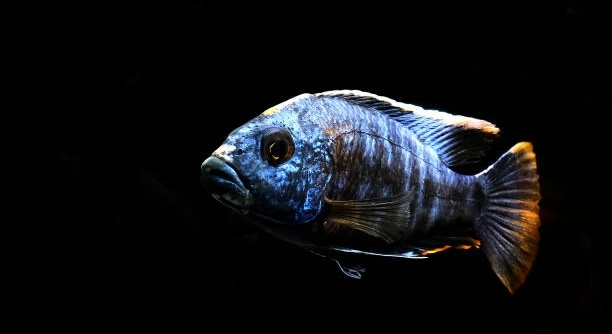
African cichlids are popular aquarium fish known for their vibrant colors and lively behavior. Many fishkeepers enjoy caring for them and want to provide the best environment possible. Proper feeding plays a key role in their health and well-being.
There are several foods that should never be given to African cichlids, as they can cause serious health problems. These foods include those high in fat, certain processed items, and anything that disrupts their natural diet. Avoiding these helps maintain the fish’s digestion and longevity.
Knowing which foods to avoid will help you keep your cichlids healthy and thriving. This article will explain the most harmful foods and why they should be excluded from their diet.
Foods High in Fat and Oils
Feeding African cichlids foods that contain high amounts of fat or oils can harm their health. These fish are adapted to a diet low in fats, so oily foods can cause digestive problems and liver damage over time. Common sources of fats like fatty meats or fried foods are not suitable for cichlids. Even some commercial fish foods can have excessive fat content, which may lead to obesity and poor water quality in the tank. It is important to check the ingredients on any prepared food and avoid items with added oils or fats. Sticking to balanced, natural diets helps support their digestion and keeps their colors bright and vibrant.
Avoiding fatty foods helps prevent diseases and promotes a longer, healthier life for your cichlids.
By choosing appropriate food with low fat, you encourage better digestion and reduce the risk of organ damage. Healthier fish are more active and display their natural behavior more clearly. Maintaining a low-fat diet also keeps the aquarium cleaner, reducing the buildup of waste and harmful substances. Overall, this improves water quality and helps create a stable environment for your fish to thrive.
Processed Human Foods
Processed human foods like bread, chips, or sweets are unsafe for African cichlids. These foods lack essential nutrients and can cause serious digestive upset or poisoning. It’s best to avoid giving anything meant for human consumption to your fish.
Foods with High Starch Content
High-starch foods can upset the digestion of African cichlids and lead to bloating. These fish naturally eat protein-rich diets, so starches like bread or pasta are not suitable for them.
Starches take longer to digest and can cause problems like constipation and poor nutrient absorption. When cichlids eat too much starch, their digestive system slows down, making them less active and more prone to illness. This can also affect their natural coloration and growth. Avoid feeding foods with high starch content to maintain their health and prevent digestive issues.
Feeding a diet low in starch helps keep your cichlids energetic and vibrant. Instead, focus on protein-based foods and specially formulated pellets or flakes designed for cichlids. This keeps their digestive system working properly and supports overall well-being.
Foods Containing Harmful Additives
Many processed foods contain additives that are toxic to African cichlids. Ingredients like preservatives, artificial colors, and flavor enhancers can harm their internal organs and reduce their lifespan. It is crucial to avoid any food that lists such chemicals on the label.
These additives can cause inflammation and stress in the fish’s body, weakening their immune system. Over time, exposure to harmful substances can lead to chronic diseases and make the fish more vulnerable to infections. Even small amounts of these chemicals can build up and create long-term damage, so it’s best to provide natural or high-quality commercial foods free of additives.
Choosing fresh, additive-free foods supports healthier digestion and stronger immune responses in your cichlids. A clean diet helps them maintain their bright colors and natural behaviors. Always read labels carefully and avoid products with unknown or unnecessary ingredients. This careful selection contributes to your fish’s long-term health and happiness in the aquarium.
Raw Meat and Fatty Fish
Raw meat and fatty fish are not suitable for African cichlids. These foods can introduce harmful bacteria and cause digestive problems.
Feeding raw meat often leads to poor water quality, which stresses your fish. It’s better to avoid these foods entirely to keep the tank healthy and the cichlids thriving.
Dairy Products
Dairy products like milk or cheese should never be given to African cichlids. Fish cannot digest lactose, which can cause serious digestive upset and illness. These foods offer no nutritional benefit and should be avoided to maintain proper health.
Vegetables Not Suitable for Cichlids
Certain vegetables, such as onions and garlic, can be harmful to African cichlids. These plants contain compounds that may irritate their digestive system or cause poisoning if consumed. It’s best to stick to safe vegetables like spinach or peas.
FAQ
What happens if African cichlids eat fatty foods?
Feeding fatty foods to African cichlids can lead to serious health problems like fatty liver disease and obesity. Their digestive systems are not designed to process high fat content, which can cause blockages and reduce nutrient absorption. Over time, this weakens their immune system and shortens their lifespan. Fatty foods also pollute the water faster, which stresses the fish and increases the risk of infections.
Can African cichlids eat bread or pasta?
No, bread and pasta are high in starch and carbohydrates, which are difficult for cichlids to digest. These foods can cause bloating, constipation, and other digestive issues. Regularly feeding such items can lead to poor growth and health problems. Instead, cichlids need protein-rich diets that mimic what they would naturally eat in the wild.
Are processed fish foods safe for African cichlids?
Not all processed fish foods are safe. Many contain harmful additives, preservatives, or artificial colors that can damage your cichlids’ health. Always check the ingredients carefully and choose high-quality products specifically formulated for cichlids. Natural, additive-free options are best to support their well-being.
Why should I avoid raw meat and fatty fish?
Raw meat and fatty fish may carry bacteria or parasites that harm your cichlids. They are also high in fats, which these fish cannot handle well. Feeding raw meat often leads to water pollution and increases the risk of disease. Cooked or processed fish food designed for cichlids is a safer alternative.
Can African cichlids eat dairy products?
No, dairy products contain lactose, which fish cannot digest. Giving milk, cheese, or other dairy items can cause digestive distress and illness. Dairy offers no nutritional benefit to cichlids, so it’s best to avoid them completely.
What vegetables are harmful to African cichlids?
Certain vegetables like onions and garlic contain compounds that irritate cichlids’ digestive tracts or can be toxic in some cases. While some vegetables like peas or spinach are safe, it’s important to research or consult reliable sources before adding any new foods to their diet.
How can I tell if my cichlids have eaten something harmful?
Signs of harmful food ingestion include loss of appetite, bloating, lethargy, unusual swimming patterns, or discoloration. If you notice these symptoms, remove the harmful food from their diet immediately and monitor water quality closely. Consulting a vet experienced with fish is recommended if symptoms persist.
Is it okay to feed human food leftovers occasionally?
Feeding human food leftovers is generally unsafe for African cichlids. Many human foods contain spices, salt, or preservatives that are toxic to fish. Even small amounts can cause digestive problems or water contamination. Stick to foods made specifically for cichlids to ensure their health.
What should I feed African cichlids instead?
Feed your cichlids high-quality pellets or flakes made for their species, supplemented with fresh vegetables like peas or spinach. Occasionally, you can offer live or frozen foods such as brine shrimp or bloodworms. This balanced diet supports their nutritional needs without risking harm.
How does diet affect water quality?
Poor diet choices, especially fatty or processed foods, increase waste and leftover uneaten food in the tank. This leads to higher ammonia and nitrate levels, which stress fish and promote disease. Feeding appropriate foods in correct amounts helps maintain cleaner water and a healthier aquarium environment.
Final Thoughts
Feeding African cichlids the right foods is very important for their health and happiness. Avoiding harmful foods such as those high in fat, processed human snacks, raw meat, and certain vegetables can prevent many health problems. These foods can cause digestive issues, weaken the immune system, and shorten the fish’s life. By choosing safe and nutritious options, you help your cichlids live longer and stay more active. Keeping their diet natural and balanced supports their vibrant colors and natural behaviors, making your aquarium more enjoyable to watch.
It is also important to consider how food affects the tank environment. Foods that break down quickly or pollute the water can create unhealthy conditions for all the fish. When the water quality drops, fish become stressed and more likely to get sick. Feeding the right type of food in proper amounts helps reduce waste and keeps the tank cleaner. This creates a stable and safe home for your cichlids, allowing them to thrive. Regular maintenance combined with a good diet gives your fish the best chance for a healthy life.
Remember, caring for African cichlids means paying attention to what they eat and how it impacts their health. Avoiding dangerous foods and selecting high-quality, species-appropriate diets shows good fishkeeping practices. With proper feeding habits, you will see your cichlids grow stronger, display their natural colors, and behave more naturally. This effort creates a rewarding experience and helps maintain a beautiful and balanced aquarium environment. Taking these steps benefits both the fish and the enjoyment of their keepers.

Hello,
If you enjoy the content that we create, please consider saying a "Thank You!" by leaving a tip.
Every little bit helps us continue crafting quality advice that supports the health, happiness, and well-being of pets around the world, for pets of all shapes, sizes, and species.
We really appreciate the kindness and support that you show us!