
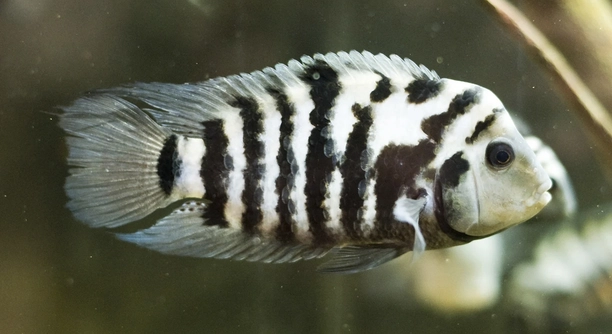
Cichlids are known for their lively behavior and strong jumping instincts. Many fish owners struggle with their cichlids leaping out of tanks, which can cause injury or stress to the fish. Preventing these jumps is important for maintaining a safe environment.
The best way to stop cichlids from jumping is to use secure tank lids and provide adequate hiding spots. Maintaining water quality and stable tank conditions reduces stress, while minimizing sudden movements near the tank also helps keep cichlids calm and less likely to jump.
Keeping your cichlids safe takes simple but consistent effort. The following tips will help you create a secure and comfortable habitat for them.
Use a Secure, Well-Fitting Lid
A secure lid is the most effective way to prevent cichlids from jumping out of the tank. Many aquariums come with lids, but they don’t always fit tightly or have gaps. Even small openings allow fish to escape. It’s important to find or create a lid that covers the entire surface of the tank without leaving space. Materials like glass, acrylic, or mesh can work well as long as they fit snugly. Some lids also allow for ventilation, which helps maintain good air circulation while keeping the fish safe. If you use a mesh lid, ensure the holes are small enough to prevent jumping. Checking the lid regularly for damage or displacement is also necessary. A damaged lid loses its effectiveness and can lead to unwanted escapes. Ensuring the lid is secure keeps your cichlids safe and reduces stress by preventing sudden escapes.
Lids that fit well reduce accidents and provide peace of mind. A tight cover creates a safer environment for your cichlids.
Maintaining a proper lid is a simple step but makes a big difference. It acts as a physical barrier your fish cannot overcome, allowing you to focus on other tank care aspects without worrying about their safety.
Provide Plenty of Hiding Places
Cichlids feel safer when they have hiding spots. These places reduce their stress and make them less likely to jump. Hiding spots can be rocks, caves, plants, or decorations designed for fish tanks. The more places they can retreat to, the calmer they tend to be. Stress is a common reason fish jump because they try to escape what feels threatening. Providing enough cover helps simulate their natural environment and keeps their behavior more relaxed. You can arrange hiding places in different parts of the tank, creating small territories. This arrangement also helps reduce aggression among cichlids, which can contribute to jumping attempts. Using natural materials like smooth stones and driftwood can improve water quality by offering surfaces for beneficial bacteria to grow. Regularly rearranging the decorations also keeps the environment interesting and reduces boredom.
Hiding spots are important for both safety and comfort in the tank.
Creating a tank with ample hiding places addresses one of the key reasons for jumping behavior. When cichlids feel secure in their surroundings, they are less likely to leap. This approach works well alongside other preventive measures. It’s helpful to observe your fish and note their favorite hiding spots so you can provide more similar places. Avoid overcrowding the tank, though, since that can cause stress. Balance is key. Each fish has its own preference for hiding, and having multiple options allows them to choose a spot that suits their mood. Natural-looking decorations also enhance the tank’s appearance, making it a more enjoyable space for both you and the fish. Adding plants, whether live or artificial, can soften the environment and add visual interest. Overall, plenty of hiding places make the tank a safer, calmer place where jumping is less necessary.
Maintain Stable Water Conditions
Cichlids are sensitive to changes in water quality. Sudden shifts in temperature, pH, or ammonia levels can lead to stress, which increases the risk of jumping. Keeping water conditions stable helps your fish stay calm and secure in their environment.
Use a good-quality aquarium heater and thermometer to keep the temperature consistent. Test the water weekly to monitor ammonia, nitrite, nitrate, and pH levels. Partial water changes every 7–10 days help maintain balance without causing sudden disruptions. Avoid overfeeding, as leftover food can affect water quality. Use a reliable filter that suits the tank size, and clean it regularly without removing too much beneficial bacteria. Refill the tank with dechlorinated water to prevent harmful effects. Cichlids thrive in specific parameters, so knowing your species’ needs is important. Stable water prevents disease and keeps your fish from reacting unpredictably to changing conditions.
A peaceful tank starts with proper water maintenance. Try not to switch products too often, especially water conditioners or filter media, as this can throw off the tank’s biological balance. If you’re introducing new fish, quarantine them first to avoid spreading illness or parasites. Reduce loud noises or vibrations near the tank, which can also impact stress levels. Monitoring your fish for signs of discomfort—like erratic swimming or gasping—can help you spot issues early. Even slight changes can cause discomfort, so consistency is key. A calm, healthy environment reduces the need for your fish to escape or flee, and that means fewer jumping incidents over time.
Reduce Surface Distractions and Sudden Movements
Cichlids are alert to movement above the water. Fast or unpredictable motions can startle them, making them jump. Try to keep the area around the tank quiet and avoid quick hand gestures directly above the surface when feeding or cleaning.
Limit activity near the tank, especially during nighttime or early morning hours when the fish may be more sensitive. Covering part of the tank with a background or placing it in a low-traffic area helps. If you have children or pets, remind them to avoid tapping the glass or hovering over the water. Turning on bright lights suddenly in a dark room can also cause a startle response, so try to use soft lighting transitions. Feeding at consistent times reduces anxiety, and using a feeding ring can help keep them focused. Cichlids respond well to routine, and limiting unexpected movement above their habitat will help decrease jumping behavior over time.
Avoid Overcrowding the Tank
Too many fish in one tank causes stress and territorial disputes. Cichlids need space to swim and establish their own areas. When crowded, they feel threatened and may try to escape by jumping out of the tank to avoid confrontation.
Overcrowding also leads to poor water quality. Waste builds up faster, and oxygen levels drop. This stresses the fish further and increases aggressive behavior. A good rule is to provide at least three gallons of water per cichlid, depending on the species. Fewer fish often leads to a calmer, more stable environment.
Feed a Balanced and Consistent Diet
Feeding your cichlids a balanced diet helps reduce stress and keeps them satisfied. Hungry or underfed fish may become restless and show erratic behavior, including jumping. Offer a mix of high-quality pellets, flakes, frozen foods, and occasional live treats. Feed at the same time each day to build routine. Avoid overfeeding, which can spoil the water and cause digestive issues. Remove any uneaten food within a few minutes. A well-fed cichlid is more likely to stay calm, active, and less inclined to leap from the tank. Consistency in feeding also helps them feel more secure and stable.
Keep Lighting Gentle and Predictable
Sudden changes in lighting can startle cichlids. Always turn on tank lights gradually or use a dimmer if possible. Keep a regular light schedule to avoid confusing or stressing the fish.
FAQ
Why do cichlids jump out of the tank?
Cichlids jump for a few common reasons: stress, poor water quality, lack of hiding spots, sudden light or sound changes, overcrowding, and unsuitable tank conditions. In some cases, they may be chasing food or escaping aggression. Cichlids are naturally active and territorial, so any disruption or discomfort in their environment can lead to jumping behavior. Sometimes it’s simply a reaction to being startled. If your cichlid jumps, it’s important to check your setup for anything that might be causing stress. A calm, well-maintained tank lowers the chances of this happening.
Can all types of cichlids jump?
Yes, most cichlids can jump, though some species are more likely to than others. African cichlids, especially Mbuna, tend to be more active and aggressive, increasing the chances of them leaping from the tank. South American species like angelfish or discus might jump less often but still can if startled or stressed. Even bottom-dwelling species may attempt to jump if chased or frightened. Since jumping is usually a stress reaction, any species has the potential to do it under the right conditions. This is why a secure lid and proper tank setup are important no matter the type of cichlid.
How do I know if my cichlid is stressed?
Signs of stress include hiding excessively, loss of color, erratic swimming, lack of appetite, gasping at the surface, and aggression toward other fish. If your cichlid seems unusually active near the surface or corners, it may be preparing to jump. Poor water conditions, overcrowding, sudden changes, and loud noises can all cause stress. Use a water testing kit to check parameters, and monitor fish behavior daily. The more you observe your fish, the easier it is to catch small changes that might indicate something’s wrong. Keeping them calm starts with providing a stable, clean environment.
Can a cichlid survive after jumping out?
It depends on how long the fish is out of water and the surface it lands on. If found quickly, a cichlid can survive, especially if it lands on a damp or cushioned surface. However, damage to scales, fins, or gills may occur. Long exposure to dry air leads to suffocation. If your fish jumps and is still alive, gently return it to the tank and monitor for injury or signs of stress. In some cases, a recovery tank with clean, warm water and low light may help it heal. Prevention is always safer than dealing with the aftermath.
How do I stop cichlids from jumping during tank cleaning?
Move slowly and avoid sudden hand movements. Try to clean during the day when your fish are more alert, and don’t startle them by quickly removing decorations. If possible, keep part of the lid on or use a temporary mesh cover during cleaning. Feeding your fish right before cleaning may distract them and lower their urge to jump. Keeping lights consistent and your hands away from the surface area helps. Over time, your cichlids will become used to your routine, making them less reactive.
Should I use a mesh lid or a solid cover?
Either can work, but the best option depends on your setup. A solid glass or acrylic lid offers complete coverage and helps maintain humidity and temperature. A mesh lid allows better gas exchange and is useful if you have strong lighting or high heat. Make sure any cover fits snugly without gaps. If using mesh, ensure the holes are small enough to prevent fish from jumping through. Both styles work well when paired with proper care and a calm tank environment.
Does tank size affect jumping?
Yes, tank size matters. A tank that’s too small increases stress, territorial aggression, and water quality issues. Cichlids in cramped spaces are more likely to feel threatened or uncomfortable, which can cause them to leap out. A larger tank gives each fish more room to claim space, reduces conflict, and improves filtration performance. It’s not just about the gallon size, but also the layout—horizontal space, hiding spots, and swimming room all play a role. When the environment fits their needs, cichlids behave more calmly and are less likely to jump.
Can lighting changes make a difference in jumping?
Sudden or intense lighting changes often startle cichlids, especially when going from dark to bright too quickly. It’s best to turn room lights on before the tank lights and to turn them off gradually at night. Using a timer or dimmer function helps keep lighting predictable. Gentle lighting transitions make your cichlids feel safer and reduce panic responses. A consistent day-night cycle also helps your fish feel more secure, which lowers their chances of jumping due to surprise or confusion.
Final Thoughts
Preventing cichlids from jumping out of the tank is mostly about creating a calm and stable environment. When their basic needs are met, these fish feel secure and behave more peacefully. A well-fitting lid is essential, but it’s only one part of the solution. Things like water quality, tank layout, lighting, and routine all play a role in reducing stress and startle responses. Paying attention to small details can make a big difference. Fish that feel safe and comfortable are much less likely to leap out of their home. Most jumping incidents happen when something feels off in the tank, and with consistent care, this can be avoided.
Each tank setup is different, so it helps to observe your fish closely. Noticing early signs of stress allows you to fix problems before they get worse. If you see unusual behavior, like constant surface swimming or hiding, it may be a sign that something isn’t right. Sometimes it takes a few small changes to create a better space. Adding hiding spots, adjusting lighting, or spacing out fish can help improve conditions without needing a full tank overhaul. Creating a routine—feeding at the same time, cleaning regularly, and keeping lighting consistent—can help your cichlids feel more at ease.
Fish care is a learning process. Even with experience, unexpected things can happen. The goal is not to create a perfect tank but to stay consistent and attentive. If one of your cichlids jumps, use it as a sign to review your setup and make improvements where needed. With steady care and patience, your tank will become a safe space for all your fish. These small efforts not only protect your cichlids from accidents but also make your tank a healthier, more enjoyable place to watch and care for. When your fish thrive, it makes the entire experience of keeping an aquarium more rewarding and peaceful.

Hello,
If you enjoy the content that we create, please consider saying a "Thank You!" by leaving a tip.
Every little bit helps us continue crafting quality advice that supports the health, happiness, and well-being of pets around the world, for pets of all shapes, sizes, and species.
We really appreciate the kindness and support that you show us!