
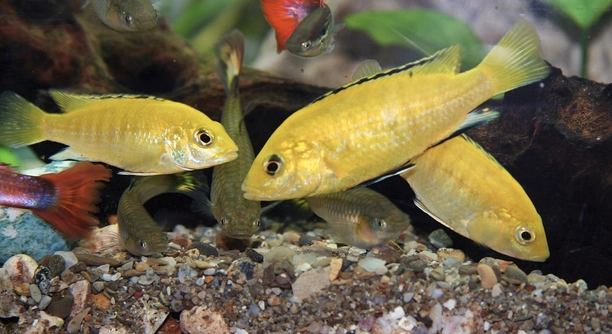
African cichlids are popular aquarium fish known for their vibrant colors and active behavior. Handling them safely is important to protect both the fish and their caretakers. Proper care ensures a healthy and stress-free environment for these beautiful creatures.
To safely handle African cichlids, it is essential to minimize stress by using gentle techniques such as wet hands or soft nets, avoiding sudden movements, and ensuring the fish are kept in clean, well-maintained water conditions. Proper handling reduces injury risks.
Learning the right methods can help maintain the health and well-being of your cichlids. This article will provide clear and practical tips for safe handling practices.
Preparing Your Aquarium for Handling
Before handling African cichlids, it is crucial to prepare their aquarium properly. The tank should be clean, with stable water parameters including temperature, pH, and hardness suited to the species. Stress can weaken fish, so avoid sudden changes in lighting or water chemistry during handling. Using a soft net or wet hands reduces the chance of harming their delicate fins and scales. Ensure all equipment like nets and containers are clean and free of chemicals to prevent contamination. Prepare a separate container with water from the tank for temporary holding during cleaning or transfer. Avoid overcrowding the tank to reduce stress and aggression. Handling should be done calmly and quickly to limit disruption. This preparation creates a safer environment for both the fish and the person handling them.
Proper tank preparation lowers the risk of stress and injury during handling, keeping your cichlids healthy and calm.
Following these steps maintains a safe environment, allowing you to handle your fish with confidence and care.
Using the Right Tools and Techniques
Using appropriate tools when handling African cichlids helps prevent injuries and stress. Wet hands or soft nets are the best options. Dry hands can remove protective slime from their bodies, making them vulnerable to infections. When using a net, choose one with a fine mesh and soft edges to avoid tearing fins. Avoid grabbing fish directly with your hands unless necessary, and if you do, be gentle and support their body fully. Move slowly and avoid sudden motions that may startle the fish. When transferring fish, use containers filled with tank water rather than air to reduce shock. Keeping the fish calm during handling improves their recovery and reduces the risk of injury. Remember, the goal is to minimize disruption to their natural behavior and environment.
Handling African cichlids properly requires patience and the right tools to ensure their well-being.
Consistent use of these methods will help maintain your fish’s health and make maintenance easier.
Minimizing Stress During Handling
African cichlids are sensitive to stress, which can lead to health problems. Minimizing stress is essential for their well-being during handling.
Keep movements slow and steady when approaching the fish. Avoid loud noises and sudden changes in lighting, as these can startle them. Limit the duration of handling to only what is necessary. Provide hiding spots in the tank to help them feel secure before and after handling. Observe their behavior closely—signs of stress include rapid breathing or erratic swimming. Reducing stress improves their recovery and lowers the chance of disease. Creating a calm environment shows respect for the fish’s natural needs and supports their overall health.
Taking these steps helps maintain a peaceful atmosphere, making handling less traumatic for the fish and easier for you.
Handling Injuries and Preventing Infection
If an African cichlid gets injured during handling, prompt action is important to prevent infection. Gently isolate the injured fish in a separate hospital tank to monitor its condition. Maintain clean, well-oxygenated water and perform regular water changes to reduce harmful bacteria. Avoid overcrowding in the hospital tank to minimize stress and allow healing. Applying aquarium-safe antibacterial treatments can help speed recovery but follow instructions carefully to avoid harming the fish. Observe the fish daily for improvement or worsening symptoms. Preventative care, such as gentle handling and maintaining good tank hygiene, is key to avoiding injuries. Early intervention ensures your cichlid has the best chance to recover fully and thrive in its environment.
Avoiding Common Handling Mistakes
Rushing when handling African cichlids often causes stress and injury. Take your time and stay calm to prevent problems.
Using dry hands or rough nets can damage their protective slime coat. Always wet your hands and choose soft equipment designed for delicate fish.
Proper Timing for Handling
Handling African cichlids during feeding or breeding periods should be avoided. These times increase stress levels and aggression, making fish more vulnerable to injury. Waiting until the fish are calm and not actively interacting reduces risk and promotes safer handling practices for both the fish and caretaker.
Maintaining Water Quality
Water quality plays a crucial role in fish health, especially after handling. Frequent water changes and monitoring parameters like ammonia, nitrite, and nitrate help reduce stress and infection risks. A stable environment supports quicker recovery and keeps your cichlids thriving.
Recognizing Signs of Stress
Watch for unusual behavior, such as hiding or loss of appetite, as these can indicate stress from handling. Early recognition helps prevent long-term health issues.
FAQ
How often should I handle my African cichlids?
Handling should be kept to a minimum to reduce stress and injury risks. Only handle your cichlids when necessary, such as during tank maintenance, health checks, or moving them. Frequent handling can cause unnecessary stress, weakening their immune system and increasing susceptibility to disease.
What is the best way to catch a cichlid in the tank?
Use a soft, fine-mesh net to gently scoop the fish, avoiding sudden movements. Wet the net before use to protect their slime coat. If possible, guide them calmly into the net instead of chasing. This reduces panic and minimizes injury chances.
Can I use my bare hands to handle cichlids?
Bare hands are acceptable only if they are thoroughly wet and clean. Dry hands can remove the protective slime layer, exposing the fish to infections. Always rinse your hands in tank water before touching the fish to keep them safe.
What should I do if a fish gets injured during handling?
Isolate the injured fish in a hospital tank with clean, oxygenated water. Treat minor wounds with aquarium-safe antibacterial solutions and monitor their progress closely. Maintain excellent water quality to promote healing and reduce the risk of infection.
How can I reduce aggression while handling multiple cichlids?
Handle one fish at a time to avoid stressing the group. If moving or cleaning the tank, separate aggressive individuals beforehand when possible. Provide plenty of hiding places to reduce territorial disputes, which can worsen during handling.
Is it safe to handle African cichlids during breeding?
Avoid handling during breeding periods. Fish are more protective and aggressive, increasing the risk of injury to both fish and handler. Waiting until breeding activity has ended is safer and less disruptive.
What signs show that my cichlid is stressed after handling?
Look for rapid gill movement, hiding, loss of appetite, or erratic swimming. These signs indicate stress and need for a calm environment to recover. If these behaviors persist, review your handling methods and tank conditions.
Can I use gloves when handling cichlids?
Gloves can be used but must be clean and free of chemicals. They protect both the handler and fish, especially when fish are aggressive or have sharp fins. Use gloves made from materials that do not absorb tank chemicals or irritate the fish’s skin.
How do I prepare a temporary container for holding cichlids?
Use a clean container filled with water from their tank to avoid shocking them with different water chemistry. Keep the container covered to reduce stress and maintain temperature close to the tank’s. Limit the time fish spend outside their main tank.
What is the impact of improper handling on African cichlids?
Improper handling can cause physical injuries, remove protective slime, increase stress, and make fish vulnerable to infections and diseases. Consistent gentle care ensures their health and longevity.
How do I clean nets and tools to avoid contamination?
Rinse all equipment with warm water before and after use. Avoid soaps or detergents, which can leave harmful residues. Regularly disinfect nets using aquarium-safe solutions to prevent transferring diseases between tanks.
Are there special considerations for handling different cichlid species?
Some species are more aggressive or fragile than others. Research your specific cichlid’s behavior and habitat needs before handling. Adjust your methods accordingly to reduce stress and injury risks.
What is the best temperature for holding cichlids outside the tank temporarily?
Maintain the water temperature in the temporary container close to the main tank, usually between 74–82°F (23–28°C). Sudden temperature changes can cause shock and stress, so monitor and adjust as needed.
How long can African cichlids safely stay outside their main tank?
Limit time outside their main environment to the shortest duration possible—ideally under 15 minutes. Extended periods can increase stress and risk of oxygen depletion or temperature fluctuations.
Can I handle cichlids if I am nervous or inexperienced?
Yes, but take extra care to be slow and gentle. Practice calming techniques, use appropriate tools, and prepare the environment beforehand. Watching videos or asking experienced hobbyists for tips can also build confidence and skill.
This FAQ covers common concerns and practical advice to help you safely and effectively handle African cichlids while maintaining their health and comfort.
Handling African cichlids safely is essential to keeping them healthy and stress-free. These fish are vibrant and active, but they can be delicate and sensitive to sudden changes or rough treatment. Taking the time to prepare your aquarium and using gentle handling methods helps protect their well-being. Simple steps like wetting your hands before touching them, using soft nets, and moving slowly can make a big difference. When done carefully, handling becomes less stressful for both you and your fish.
Maintaining good water quality and a calm environment supports the fish’s recovery after handling. Stress weakens their immune systems, making them more prone to illness. Proper tank conditions, including clean water and stable parameters, are key to their long-term health. If injuries occur during handling, isolating the fish and using appropriate treatments can help prevent infection. Watching for signs of stress or illness allows you to respond quickly and adjust your care routine if needed.
Overall, careful handling is part of responsible fishkeeping. It shows respect for the needs of African cichlids and helps them thrive in captivity. By following simple guidelines and paying close attention to their behavior, you can create a safer, healthier environment. This not only benefits the fish but also makes your experience more rewarding and enjoyable. Consistent, gentle care ensures your cichlids stay vibrant and active for years to come.

Hello,
If you enjoy the content that we create, please consider saying a "Thank You!" by leaving a tip.
Every little bit helps us continue crafting quality advice that supports the health, happiness, and well-being of pets around the world, for pets of all shapes, sizes, and species.
We really appreciate the kindness and support that you show us!