
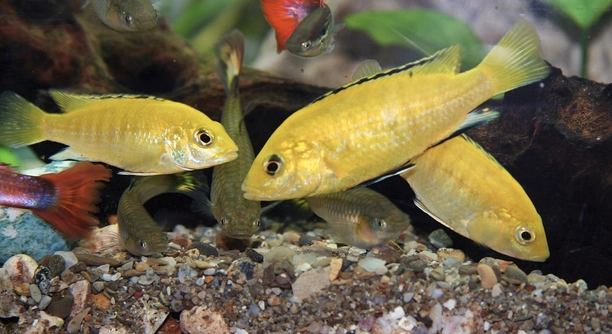
African cichlids are colorful freshwater fish often seen shaking their heads in aquariums or natural habitats. This behavior can catch the attention of many fish lovers who want to understand what it means. It’s a common and natural action for these lively fish.
African cichlids shake their heads primarily to communicate or remove irritants from their mouths or gills. This movement helps them clear debris, signal dominance, or express discomfort in their environment, making it an important part of their behavior.
Learning about why cichlids shake their heads can improve how you care for them. Understanding their actions helps ensure their well-being and creates a more enjoyable experience for both you and your fish.
Why African Cichlids Shake Their Heads
African cichlids shake their heads for several reasons, mostly related to communication and self-care. When they move their heads like this, they might be trying to get rid of tiny particles or food stuck in their mouths or gills. Sometimes, this motion is a way to show other fish they are dominant or to warn others to keep their distance. In crowded tanks, head shaking can be more frequent because fish feel more stressed or irritated. It is also a natural behavior during feeding time, helping them sort through food pieces. Watching this behavior closely can help you spot if your fish are healthy or if something is bothering them. It’s important to keep their tank clean and monitor water quality since poor conditions can increase head shaking due to discomfort.
Head shaking is often a sign of fish trying to stay comfortable in their environment.
Noticing changes in how often your cichlids shake their heads can help you identify if they are stressed or if there is an issue in their tank. When fish shake their heads excessively, it may mean irritation from parasites, poor water quality, or aggressive tank mates. Providing hiding spots and maintaining stable water conditions usually reduces this behavior. Regular observation ensures your cichlids live in a calm and healthy setting.
How to Respond to Head Shaking in African Cichlids
Head shaking may seem normal, but it can sometimes signal that your cichlids need attention.
If your fish start shaking their heads more than usual, first check your tank’s water parameters. High ammonia or nitrate levels often cause discomfort, prompting fish to try and clear their gills. Also, examine the fish closely for signs of parasites or infections. If you spot anything unusual, treatment might be necessary. Sometimes aggressive tank mates can stress the cichlids, so consider if your fish’s environment is balanced. Adding decorations or plants for hiding can reduce stress. Keeping a stable feeding routine and avoiding overfeeding helps as well. Addressing these points can improve your fish’s comfort and reduce unwanted head shaking, making your aquarium a peaceful place for them.
Common Causes of Head Shaking
Head shaking in African cichlids can happen due to irritation or discomfort. It’s often linked to water quality, parasites, or aggression in the tank.
Poor water quality stresses fish and causes physical irritation. Ammonia or nitrate build-up can harm their gills, leading to shaking. Parasites like ich or flukes can also cause intense irritation, prompting frequent head shaking. Aggressive tank mates might bully the cichlids, increasing stress and triggering this behavior. Identifying the cause early helps prevent health problems and keeps the fish comfortable.
Regular water testing and cleaning reduce risks. Observing your fish for signs of parasites or injury helps catch problems early. Rearranging tank mates or adding hiding spots can lessen aggression and improve their well-being.
Preventing Excessive Head Shaking
Maintaining stable water conditions is key to preventing head shaking. Regular water changes and monitoring keep ammonia, nitrites, and nitrates low, reducing irritation.
A well-balanced diet supports fish health and strengthens their immune system. Avoid overcrowding the tank, as it can increase stress and conflict among fish. Providing plenty of hiding places with rocks or plants offers cichlids safe spaces, helping them feel secure. Keeping the aquarium environment stable and peaceful reduces triggers that lead to head shaking, ensuring your cichlids stay healthy and calm.
How Head Shaking Affects African Cichlids
Frequent head shaking can tire cichlids and cause stress, affecting their overall health. It may also signal underlying issues that need attention.
If left unchecked, excessive shaking can lead to infections or damage to the gills. It’s important to address causes early to prevent long-term harm.
Signs That Need Immediate Attention
Look for other symptoms like redness, swelling, or loss of appetite alongside head shaking. These signs may indicate infection or injury.
When to Consult a Professional
If your cichlids show persistent shaking with other symptoms despite good care, a vet or fish specialist should be consulted. They can provide accurate diagnosis and treatment.
Understanding Normal Behavior
Some head shaking is normal and part of communication or cleaning. It’s important to know when it becomes a problem.
FAQ
Why do African cichlids shake their heads more at night?
At night, cichlids may shake their heads more due to increased irritation from particles settling in the water or changes in water temperature. They might also be clearing their gills after a busy day. This behavior is usually harmless unless it becomes constant or extreme.
Can head shaking be a sign of illness?
Yes, persistent head shaking can indicate illness, such as parasites, infections, or poor water quality. It’s important to watch for other symptoms like redness, lethargy, or loss of appetite. Early detection helps prevent serious health problems.
How can I tell if head shaking is normal or a problem?
Normal head shaking is occasional and part of their communication or cleaning. If the shaking is frequent, vigorous, or paired with other symptoms, it likely signals a problem. Monitoring your fish regularly helps identify any unusual changes.
Does diet affect head shaking in cichlids?
A balanced diet supports fish health and can reduce stress, lowering the chances of excessive head shaking. Poor nutrition weakens their immune system, making them more vulnerable to irritation and disease.
Will head shaking stop if I clean the tank more often?
Cleaning the tank regularly helps maintain water quality, which can reduce irritation causing head shaking. However, it’s also important to check for parasites and monitor tank mates, as these can also cause shaking.
Can tank mates cause head shaking in African cichlids?
Yes, aggressive or overly active tank mates can stress cichlids, leading to more frequent head shaking. Providing hiding spaces and ensuring compatible species are kept together helps reduce stress and shaking behavior.
Is head shaking harmful to African cichlids?
Occasional head shaking is not harmful, but excessive shaking may cause stress or injury over time. Addressing the cause early ensures your fish stay healthy and comfortable.
How do I treat head shaking caused by parasites?
If parasites cause head shaking, treatment with anti-parasitic medications is necessary. Quarantining affected fish and maintaining good tank hygiene help prevent the spread and keep the aquarium safe.
Can water temperature affect head shaking?
Sudden changes or inappropriate water temperature can stress cichlids, increasing head shaking. Keeping the temperature stable and within the species’ preferred range promotes comfort and reduces shaking.
Should I separate a fish that shakes its head a lot?
Separating a fish that shows signs of illness or extreme stress is often helpful. Quarantine allows for treatment and prevents the spread of disease to other tank mates.
Does head shaking mean the fish is trying to communicate?
Yes, head shaking can be a form of communication, signaling dominance or warning other fish. It’s a natural behavior when it’s not linked to discomfort or illness.
How can I prevent head shaking from happening?
Maintaining clean water, a balanced diet, proper tank mates, and stable conditions all help prevent excessive head shaking. Regular observation and prompt action keep your cichlids healthy.
Is it normal for young cichlids to shake their heads more?
Younger cichlids may shake their heads more as they explore and adjust to their environment. This usually decreases as they mature and settle into their tank.
What should I do if my cichlid shakes its head after feeding?
Head shaking after feeding can mean the fish is clearing leftover food or debris from its mouth. Ensuring you don’t overfeed and removing uneaten food helps reduce this behavior.
Can stress cause African cichlids to shake their heads?
Stress is a common reason for increased head shaking. Causes include overcrowding, poor water quality, or aggressive tank mates. Reducing stress factors helps keep the behavior normal.
African cichlids shaking their heads is a behavior that can mean different things depending on the situation. Sometimes, it is a normal part of how they communicate or keep themselves clean. Other times, it can be a sign that something is wrong in their environment. Understanding why they do this helps fish owners provide better care. Paying attention to their behavior and making sure the tank conditions are good can reduce stress and keep the fish healthy. It’s important to notice changes in how often or how strongly they shake their heads because this can point to problems like poor water quality, parasites, or stress from other fish.
Keeping the aquarium clean and stable is one of the best ways to prevent issues that cause head shaking. Regular water tests and cleaning schedules help avoid the build-up of harmful chemicals that irritate fish. Providing hiding places and choosing compatible tank mates can also lower stress and aggression. Feeding your cichlids a balanced diet supports their immune system, which helps them fight off infections. All these small steps make a big difference in the comfort and health of your fish. When the fish feel safe and their environment is healthy, they will show less unusual behavior like excessive head shaking.
If you notice your African cichlids shaking their heads a lot or showing other signs of illness, don’t ignore it. Early action is important to keep your fish from getting worse. Checking the water quality, looking for parasites, and watching for aggression among tank mates can help you find the cause. Sometimes a vet or fish expert might be needed for advice or treatment. By paying close attention and acting quickly, you can help your cichlids live a longer, happier life. Taking good care of your fish not only keeps them healthy but also makes watching them much more enjoyable.

Hello,
If you enjoy the content that we create, please consider saying a "Thank You!" by leaving a tip.
Every little bit helps us continue crafting quality advice that supports the health, happiness, and well-being of pets around the world, for pets of all shapes, sizes, and species.
We really appreciate the kindness and support that you show us!