
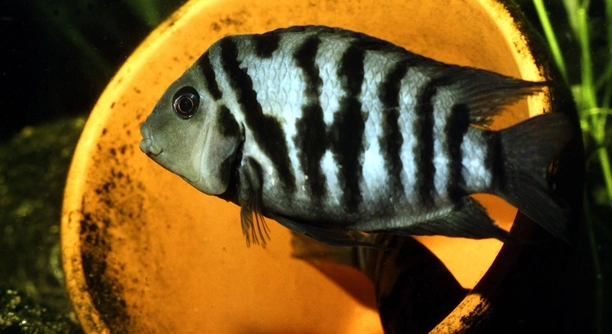
Are your African cichlids showing signs of stress or injury? Sometimes, these colorful fish face aggression from tank mates, which can affect their health and behavior. Recognizing bullying early is important for a happy aquarium environment.
African cichlid bullying is marked by physical injuries, hiding behavior, loss of appetite, and reduced activity. These signs indicate that dominant fish are stressing weaker ones, disrupting social balance and potentially harming their well-being.
Knowing these signs helps you protect your fish and maintain a peaceful tank. Understanding what to watch for can make a big difference in their care.
Physical Injuries and Visible Damage
When an African cichlid is being bullied, one of the first things you might notice is physical damage. This can include torn fins, scratches, or small wounds on the body. These injuries happen because more aggressive fish chase and nip at the weaker ones. Over time, these marks become clear signs that a fish is under constant stress. If left unchecked, these injuries can lead to infections, making the situation worse. Regularly inspecting your fish can help catch these issues early before they become serious. It is also helpful to ensure your tank has enough hiding spaces where bullied fish can retreat and recover.
Visible damage is a straightforward sign that something is wrong. Injuries often show up on fins or around the tail, where fish are easier targets.
Keeping an eye on your cichlids’ physical condition is crucial. If you see repeated injuries on the same fish, consider adjusting tank dynamics or separating aggressive individuals to prevent harm.
Hiding and Avoidance Behavior
Bullied cichlids tend to hide more than usual. They might stay in corners or behind decorations to avoid confrontation. This change in behavior is a sign of stress and fear, indicating that the fish feels unsafe around others. When a fish avoids swimming openly, it is often trying to escape aggression. This constant hiding can affect their feeding and overall health, as stressed fish may eat less or stop eating altogether. Providing enough space and places to hide can help bullied fish feel more secure and reduce stress levels.
When fish hide excessively, it usually means they are trying to stay away from trouble.
If a cichlid rarely comes out of hiding, it’s important to check if tank mates are being aggressive. Improving the environment or separating aggressive fish can help bullied individuals regain confidence and health.
Loss of Appetite
A bullied African cichlid often stops eating or shows less interest in food. Stress and fear make it difficult for them to compete for meals or feel comfortable enough to eat. This change can quickly affect their health if not addressed.
Reduced appetite can lead to weight loss and weakened immunity in cichlids. When a fish is stressed by aggression, it may retreat during feeding times, allowing more dominant fish to eat first. Over time, this can cause malnutrition and make the fish more vulnerable to disease. Monitoring feeding behavior helps spot problems early. Offering food in multiple spots can encourage shy fish to eat without facing competition or bullying.
If your cichlid’s appetite drops suddenly, observe tank interactions closely. Adjusting the group dynamic or feeding routine may be necessary to ensure all fish get enough nutrition and feel safe while eating.
Changes in Activity Levels
Bullied cichlids often become less active and may spend long periods resting or hiding. This decrease in movement is a sign of stress and low confidence. The fish may avoid swimming freely, sticking close to shelters instead.
Lower activity impacts a fish’s overall health and growth. Stress hormones reduce energy and motivation to explore, making the fish more vulnerable to illnesses. Less swimming means fewer opportunities to find food or interact naturally with other fish. When aggression continues unchecked, the bullied fish’s condition worsens, sometimes leading to serious health problems.
Increasing tank space or rearranging decorations can help bullied cichlids feel safer and encourage movement. Sometimes, separating aggressive fish or changing tank mates is the best way to restore balance. Keeping a calm environment is key to improving activity levels and well-being.
Sudden Color Changes
Bullied African cichlids often show duller or faded colors. This change happens because stress affects their ability to maintain bright, healthy hues. Color fading is a clear sign something is wrong in the tank environment.
Stress hormones reduce pigment production, making the fish appear less vibrant. This is not just cosmetic—it shows that the fish’s health is compromised. Monitoring color changes can help catch bullying early before physical injuries worsen.
Frequent Chasing
Aggressive fish chase weaker cichlids often, causing constant stress. This behavior increases tension and can lead to serious injury if not controlled.
Chasing disrupts peace and prevents bullied fish from eating, resting, or exploring freely. It’s important to watch for repeated chasing and intervene if necessary to keep the tank balanced.
Loss of Social Interaction
Bullied cichlids tend to isolate themselves and avoid other fish. They lose interest in social behaviors like group swimming or breeding.
This isolation results from fear and stress. It prevents natural interactions and may impact their long-term health and happiness. Keeping an eye on social behavior helps identify bullying early.
Labored Breathing
Bullied fish may show signs of labored or rapid breathing. Stress increases their oxygen needs, and constant fear makes breathing harder.
If your cichlid breathes fast without water quality issues, bullying may be the cause. This symptom should not be ignored.
How can I tell if my African cichlid is being bullied or just stressed for another reason?
It can be tricky to know the exact cause of stress, but bullying usually shows clear signs like physical injuries, hiding behavior, or sudden changes in color. Stressed fish from other causes might show some similar symptoms, but bullying is often linked to visible aggression from other fish. Watch for repeated chasing, nipping, or a particular fish always being isolated or injured. If these signs appear together, bullying is a likely cause. Checking the tank setup and water quality can help rule out other stress factors.
What should I do if I notice my cichlid is being bullied?
First, try to identify the aggressive fish causing the problem. Sometimes rearranging decorations or adding hiding spots can reduce tension by giving bullied fish places to escape. If aggression continues, consider separating the bully or moving the victim to another tank. Adjusting the number of fish or changing species to more compatible ones may also help. Keeping a peaceful tank requires balance, so it’s important to act quickly before injuries or stress worsen.
Can bullying lead to permanent health problems for my cichlid?
Yes, bullying can cause lasting damage. Physical injuries may get infected if untreated. Chronic stress weakens the immune system, making fish prone to illness. Loss of appetite and reduced activity also affect overall health. Long-term bullying can even shorten your cichlid’s lifespan. Early intervention is key to preventing serious problems and helping your fish recover fully.
Are certain African cichlid species more likely to bully others?
Some species are naturally more aggressive and territorial, increasing the chances of bullying. For example, Mbuna cichlids from Lake Malawi are known for strong territorial behavior. However, bullying can happen in any species depending on tank conditions, fish personalities, and group size. It’s important to research your specific cichlids’ behavior before introducing them to a community tank to reduce bullying risks.
How can tank setup influence bullying behavior?
A poorly arranged tank with limited hiding spots or small space can increase aggression. Fish need enough room to establish their territories without constant confrontation. Adding rocks, plants, and caves creates safe zones and breaks sightlines, which lowers stress and aggression. A well-planned tank setup helps bullied fish avoid constant harassment and improves the overall social balance.
Is it normal for African cichlids to chase each other sometimes?
Chasing is a natural behavior, especially during breeding or territory defense. However, frequent or intense chasing that causes injuries or constant hiding is a sign of bullying. Normal chasing should not lead to physical damage or prevent fish from eating or resting. Watch the frequency and intensity of chasing to decide if it is a normal behavior or bullying.
Can diet affect how my cichlids handle bullying stress?
A balanced diet strengthens the immune system and helps fish recover from stress and injury. Feeding high-quality food rich in vitamins supports healing and overall health. While diet alone won’t stop bullying, well-nourished fish cope better with aggression and stress. Offering a varied diet including pellets, flakes, and occasional live or frozen food can keep your cichlids healthier.
Should I separate aggressive fish permanently?
If a fish is repeatedly bullying others and causing harm, permanent separation might be necessary. Some fish never stop being aggressive despite environmental changes. Separating aggressive individuals protects the well-being of other fish. However, try smaller changes first, like tank rearrangement or adding hiding places. Permanent separation is a last resort when other options fail to maintain peace.
How many African cichlids should I keep together to avoid bullying?
Overcrowding can increase aggression, but too few fish may also cause bullying due to territorial disputes. A common rule is to keep a larger group of cichlids (around 6 or more) to spread aggression evenly, but the tank size must be large enough to provide space. Smaller groups may lead to dominant fish bullying weaker ones more often. Balancing group size with tank dimensions helps reduce conflict.
Can introducing new fish cause bullying problems?
Yes, adding new fish can upset established social order, causing more aggression and bullying. Newcomers might be targeted until they fit into the group hierarchy. To reduce problems, quarantine new fish first and introduce them slowly. Adding several new fish at once can help, so no single fish is singled out. Monitor closely after adding new fish and be ready to intervene if bullying increases.
African cichlids are beautiful and lively fish, but they can sometimes show signs of bullying within the tank. It’s important to recognize these signs early to keep your fish healthy and happy. Watching for changes like injuries, hiding, loss of appetite, or dull colors can help you identify when one fish is being stressed or bullied by others. Understanding these signs gives you the chance to act before the problem gets worse. Taking care of your cichlids means paying attention to their behavior and physical condition regularly.
Creating a good environment for your cichlids is one of the best ways to reduce bullying. This means providing enough space, hiding spots, and a well-organized tank. When fish have places to escape and enough room to swim freely, they feel safer and less likely to act aggressively. Sometimes, rearranging the tank or adding decorations can break up the line of sight between aggressive and weaker fish. Also, keeping the right number of fish and choosing compatible species helps maintain peace. These small changes can make a big difference in the way your fish get along.
If bullying continues despite these efforts, separating aggressive fish might be necessary. Aggression can cause long-term health issues and stress, so protecting the weaker fish is important. Feeding your cichlids a balanced diet and keeping the water clean also supports their health and recovery. Remember, maintaining a calm and peaceful tank takes time and observation. Being patient and ready to make changes when needed will help your African cichlids live comfortably together. Taking care of their needs means happier fish and a more enjoyable aquarium experience.

Hello,
If you enjoy the content that we create, please consider saying a "Thank You!" by leaving a tip.
Every little bit helps us continue crafting quality advice that supports the health, happiness, and well-being of pets around the world, for pets of all shapes, sizes, and species.
We really appreciate the kindness and support that you show us!