
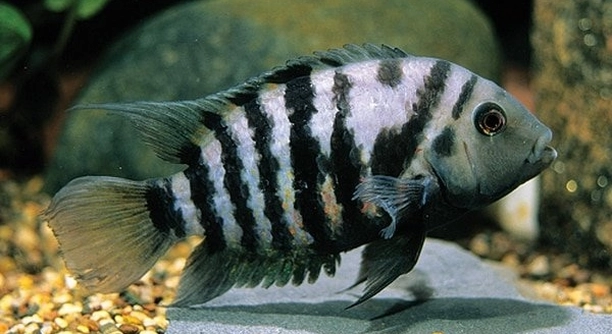
Gasping at the surface is a common behavior seen in cichlids that many fish owners notice with concern. This action often catches attention because it looks like the fish are struggling for air. Understanding why they do this is important for their care.
Gasping at the surface in cichlids usually indicates a lack of sufficient oxygen in the water or poor water quality. It is a sign that the fish are trying to breathe more efficiently by accessing oxygen-rich surface water. This behavior can also signal stress or illness, requiring prompt attention to water conditions.
Knowing what causes this behavior can help keep your cichlids healthy and comfortable in their environment. Recognizing the signs early is key to preventing serious problems and ensuring your fish thrive.
Causes of Gasping at the Surface
Cichlids gasping at the surface often show signs of distress related to their environment. One major cause is low oxygen levels in the water. Oxygen naturally dissolves in water, but warm temperatures, overstocking, or poor circulation can reduce this. When oxygen is low, fish try to reach the surface where oxygen is more available. Another factor is poor water quality, such as high levels of ammonia, nitrites, or nitrates, which stress fish and affect their breathing. Sometimes, disease or parasites can also make breathing difficult, causing gasping. It’s important to regularly test water parameters and maintain good filtration and aeration to avoid these problems. Observing gasping early helps address these issues before they become severe, improving the well-being of your cichlids.
Low oxygen and poor water quality are the primary reasons behind gasping behavior in cichlids. Proper tank care can often prevent this.
Regular water changes, good filtration, and adequate aeration keep oxygen levels stable. Avoid overcrowding to reduce stress and oxygen depletion. Temperature control also plays a role; warmer water holds less oxygen, so keeping a moderate temperature helps. If parasites or illness are suspected, prompt treatment with appropriate medication is necessary. A clean and stable environment reduces gasping and promotes healthy fish. Remember, small adjustments can make a big difference in how your cichlids breathe and behave. Paying attention to these details will make your tank a better home for them.
How to Help Your Cichlids
Improving water quality is the best way to stop gasping. Regular water testing guides you in making changes.
First, increase oxygen by adding an air stone or adjusting filters for better flow. Perform partial water changes to remove toxins and reduce ammonia levels. Check the temperature to keep it within a healthy range for cichlids, usually between 75 and 82 degrees Fahrenheit. Avoid overfeeding, as leftover food can decay and worsen water quality. If disease is causing gasping, isolate affected fish and use proper treatments. Maintaining a clean tank routine helps prevent gasping and keeps your fish lively. Simple steps can quickly improve their breathing and comfort in the aquarium.
Signs to Watch For
Gasping is often accompanied by other warning signs in cichlids. Watch for lethargy, loss of appetite, or unusual swimming patterns. These symptoms can point to underlying health or water issues needing immediate attention.
If your cichlids are gasping and seem less active, it often means they are under stress. You might notice they stay near the surface more or isolate themselves from other fish. Color changes or clamped fins can also appear. These signs suggest poor water quality or disease. Regularly checking water parameters helps catch problems early. Acting quickly with water changes or treatments can prevent worsening health. Ignoring these signs could lead to more serious illness or death. Keeping a close eye on behavior supports a healthier tank.
Sometimes, gasping occurs due to sudden changes in the tank environment. New decorations, medications, or temperature shifts can upset the fish. Stress lowers their immune response, making breathing harder. Maintaining a stable, clean environment is key. If needed, test for parasites or infections, which also affect breathing. Taking prompt action reduces suffering and improves recovery chances.
Preventing Gasping in Your Aquarium
Preventing gasping means keeping water conditions stable and healthy. Regular maintenance is essential to avoid oxygen depletion and toxin buildup.
Frequent water changes remove waste and replenish oxygen levels. Use a reliable filter and add aeration devices like air stones to maintain good circulation. Avoid overcrowding to reduce stress and oxygen demand. Monitor temperature closely because warmer water holds less oxygen. Feeding should be controlled to prevent leftover food from decaying and harming water quality. Regular testing for ammonia, nitrites, and nitrates keeps water safe for cichlids. Keeping the tank environment balanced reduces the chance of gasping and other health issues, making your fish more comfortable and lively.
Common Mistakes That Cause Gasping
Overfeeding is a frequent mistake that harms water quality and lowers oxygen. Uneaten food decomposes, creating toxins that stress fish and reduce breathing efficiency.
Ignoring water testing can let ammonia and nitrite levels rise unnoticed. These chemicals are harmful and cause fish to gasp for air.
The Role of Tank Size and Stocking
A tank that is too small or overcrowded limits oxygen and increases waste. Cichlids need enough space to swim freely and access clean water. Overstocking raises stress levels and oxygen demand, causing gasping. Proper tank size and careful stocking prevent these issues and support healthy fish.
When to Seek Professional Help
If gasping continues despite improving water conditions, it may be due to illness. A vet or aquatic specialist can diagnose infections or parasites and recommend treatment to save your fish.
Summary of Key Actions
Keep the tank clean, control feeding, monitor water quality, and ensure proper tank size to prevent gasping in cichlids.
FAQ
Why is my cichlid gasping even though the water looks clean?
Sometimes, water can appear clear but still have low oxygen or harmful chemicals like ammonia or nitrites. These invisible factors stress the fish and cause gasping. Testing the water regularly is crucial, even if it looks clean. Other issues like sudden temperature changes or illness can also cause gasping.
How often should I test the water to prevent gasping?
Testing your aquarium water once a week is a good practice. Check for ammonia, nitrites, nitrates, and pH levels. Frequent testing helps catch problems early before fish start gasping or showing other signs of distress. In new tanks, testing may be needed even more often.
Can poor diet cause gasping in cichlids?
Yes, an improper diet can weaken a fish’s immune system, making it more prone to disease and breathing problems. Overfeeding can also foul the water, reducing oxygen levels. Feeding your cichlids balanced food in moderate amounts helps keep them healthy and less likely to gasp.
What temperature is best to avoid gasping?
Cichlids generally thrive between 75 and 82 degrees Fahrenheit. Water warmer than this holds less oxygen, which can cause gasping. Using a reliable heater and thermometer helps maintain a stable temperature to keep oxygen levels safe.
Can tank decorations cause gasping?
New decorations sometimes release chemicals or disrupt water flow, which can stress fish. Poor circulation lowers oxygen near the bottom and makes fish go to the surface for air. Always rinse new items well and observe your fish closely after adding anything new.
Is gasping always a sign of a serious problem?
Not always. Sometimes fish gasp briefly after heavy activity or when adjusting to a new environment. But persistent gasping usually means oxygen or water quality issues or illness. It’s important to act quickly if you notice ongoing gasping to avoid worsening conditions.
How do I increase oxygen levels in my tank?
Adding an air stone or increasing filter flow improves aeration and oxygen circulation. Partial water changes also help by refreshing oxygen levels. Avoid overcrowding and keep water clean to maintain good oxygen supply.
Can stress cause gasping in cichlids?
Yes, stress from poor water quality, overcrowding, or sudden changes can weaken fish and make breathing difficult. Reducing stress through proper care, tank size, and stable conditions lowers the chance of gasping.
What treatments help if gasping is caused by disease?
Treatment depends on the illness, but common approaches include medications for parasites, bacterial infections, or fungal problems. Isolating sick fish and improving water quality support recovery. Consulting a vet or aquatic expert ensures proper diagnosis and care.
How long does it take for cichlids to recover from gasping caused by poor water conditions?
With prompt action like water changes, improved aeration, and balanced feeding, fish often show improvement within a few days. Full recovery depends on the severity of the problem and the fish’s health, but quick response increases chances of success.
Can gasping lead to death?
If untreated, persistent gasping caused by poor water quality or illness can be fatal. It indicates the fish is struggling to get enough oxygen. Early detection and treatment are essential to prevent serious harm or loss.
What equipment is best for preventing gasping?
A good filter that maintains water flow and removes waste is key. Adding an air stone or powerhead helps aerate the water. Using a heater and thermometer ensures stable temperature. Test kits for water parameters guide proper maintenance. These tools work together to keep your cichlids comfortable and breathing easily.
Final Thoughts
Gasping at the surface in cichlids is a clear sign that something in their environment needs attention. It is often related to oxygen levels or water quality. This behavior should never be ignored, as it means the fish are struggling to breathe comfortably. Keeping a close watch on their actions and the condition of the tank helps prevent small problems from becoming big ones. Regular care, including water testing and maintenance, plays a vital role in supporting healthy fish.
Taking steps to improve tank conditions usually solves gasping issues quickly. Adding aeration devices, performing partial water changes, and keeping the tank clean are simple but effective ways to help your cichlids breathe better. Maintaining the right temperature and avoiding overcrowding also contribute to better oxygen availability and less stress. Feeding your fish properly ensures food does not pollute the water. These routine actions create a stable environment where your fish can thrive without gasping for air.
Sometimes, gasping may be a sign of illness or parasites, especially if it continues despite good water care. In these cases, early treatment is important. Consulting an expert or using appropriate medications can help your fish recover. Overall, understanding the reasons behind gasping and acting quickly keeps your cichlids healthier and happier. With careful attention and simple habits, you can provide a safe, comfortable home that meets their needs and reduces gasping behavior.

Hello,
If you enjoy the content that we create, please consider saying a "Thank You!" by leaving a tip.
Every little bit helps us continue crafting quality advice that supports the health, happiness, and well-being of pets around the world, for pets of all shapes, sizes, and species.
We really appreciate the kindness and support that you show us!