
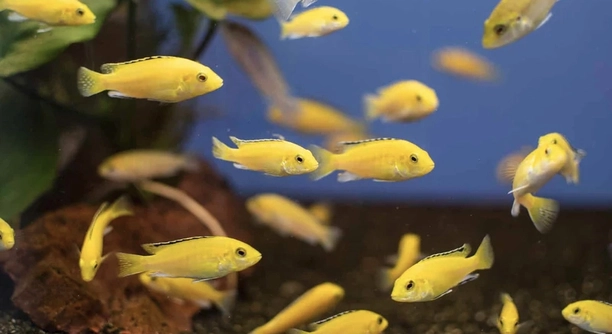
African cichlids are colorful, lively fish that many enjoy keeping in home aquariums. These fish need a stable and comfortable environment to thrive. Understanding what causes them stress helps keep them healthy and happy.
Several factors cause stress in African cichlids, including poor water quality, overcrowding, aggressive tank mates, improper diet, sudden changes in environment, lack of hiding spaces, and incorrect water temperature. Managing these conditions is essential for their well-being.
Knowing these stress triggers can improve your care routine and create a better home for your fish. This article will explain each cause and how to avoid them.
Poor Water Quality
Poor water quality is one of the most common reasons African cichlids become stressed. These fish are sensitive to changes in their environment, especially when the water contains high levels of ammonia, nitrites, or nitrates. Dirty water can result from infrequent tank cleaning or overfeeding. When water quality declines, fish may show signs of stress such as hiding, loss of appetite, or unusual swimming patterns. Maintaining good filtration and performing regular water changes help keep the water safe and stable for your cichlids. Testing the water often can alert you to harmful changes before they affect your fish’s health. It may seem like a lot of work, but keeping water clean is crucial to their comfort and longevity. Remember, clear water doesn’t always mean healthy water—testing is key.
Regular water changes and good filtration keep your cichlids healthy and reduce stress caused by toxins.
Keeping water parameters stable requires consistent care, but it helps prevent many health problems for your fish. Be sure to monitor ammonia, nitrite, and nitrate levels closely. Overfeeding can cause waste buildup, so feed small amounts that your fish can eat within a few minutes. Using a quality filter suitable for your tank size will also improve water quality. Adding live plants can naturally absorb some toxins and provide shelter. Watching your fish’s behavior daily helps catch early signs of stress. When water is clean and stable, African cichlids are more active, colorful, and less likely to get sick.
Overcrowding
Overcrowding in an aquarium can quickly stress African cichlids. These fish need enough space to swim and establish territories. When there are too many fish in a tank, aggression can increase, leading to fights and injuries. Overcrowding also makes maintaining water quality harder, which adds to the stress.
It’s important to choose a tank size that fits the number of cichlids you keep and to arrange decorations to give them hiding spots. A general rule is to provide at least 10 gallons of water per adult cichlid. Too many fish in a small space can cause constant stress and weaken their immune systems. Careful planning of tank size and population helps keep peace and health in your aquarium.
Aggressive Tank Mates
Aggressive tank mates can cause constant stress for African cichlids. Some species are naturally territorial and may not get along well with others. Mixing incompatible fish often leads to fights, injuries, and fear.
Choosing compatible species is important to maintain harmony. African cichlids often do better with other cichlids from the same region or with species known to be peaceful but sturdy. Avoid adding very timid or slow-moving fish, as they may become targets. Watching fish interactions closely helps detect early aggression, so you can separate or rearrange the tank if needed. Proper tank decoration can create territories and reduce conflicts by giving fish their own space. When fish feel safe and secure, aggression usually decreases.
If aggression becomes a problem, rearranging rocks and plants can break up established territories. Separating aggressive individuals or increasing tank size often helps. Keeping the number of fish balanced and avoiding overcrowding also reduces tension. Maintaining clean water and proper diet supports overall health, making fish less likely to stress and fight.
Improper Diet
An improper diet can weaken African cichlids and increase stress. Feeding low-quality food or the wrong types of food may cause nutritional deficiencies. Overfeeding can also pollute the tank and lead to health problems.
Feeding a balanced diet with high-quality pellets or flakes designed for cichlids is best. Supplementing with occasional live or frozen foods like brine shrimp or bloodworms adds variety and nutrients. Avoid feeding only one type of food; variety supports better health. Feeding small amounts two or three times a day prevents overfeeding and keeps the water cleaner. Watch your fish’s appetite and adjust portions accordingly.
A healthy diet strengthens the immune system and improves coloration. It helps your cichlids recover faster from stress and reduces the risk of diseases. Proper nutrition supports their energy and activity levels, making them more resilient. When you feed them well, your fish will be more vibrant and active, showing less stress overall.
Sudden Changes in Environment
Sudden changes in water temperature or chemistry stress African cichlids quickly. They need a stable environment to stay healthy and calm.
Moving fish between tanks or changing water too fast causes shock. Always adjust conditions gradually to avoid stress and illness.
Lack of Hiding Spaces
African cichlids need places to hide and feel safe. Without enough shelters, they become anxious and stressed.
Rocks, caves, and plants create secure spots. These help reduce aggression and give fish space to rest and recover.
Incorrect Water Temperature
Water temperature outside the ideal range causes stress in African cichlids. They thrive best between 74°F and 82°F. Temperatures too low or high can weaken their immune systems, making them more vulnerable to disease. Using a reliable heater and thermometer keeps temperature steady. Regularly checking equipment ensures the environment stays comfortable. Stable temperature supports normal behavior and overall health.
What are the main signs that African cichlids are stressed?
Stressed African cichlids often change their behavior noticeably. They may hide more than usual, lose their appetite, or swim erratically. You might see color fading or darkening, which is a clear signal of discomfort. Other signs include rapid breathing, rubbing against surfaces, or increased aggression toward tank mates. Watching these behaviors closely helps catch problems early before they become serious.
How often should I test the water to prevent stress?
Testing water weekly is a good rule of thumb to keep African cichlids healthy. Regular tests for ammonia, nitrites, nitrates, pH, and temperature help catch dangerous changes. If you notice signs of stress or illness, test more frequently until the problem is fixed. Using reliable test kits makes monitoring easier and helps maintain a safe environment.
Can changing the tank decorations reduce stress in aggressive fish?
Yes, rearranging tank decorations can help reduce stress by breaking up established territories. Rocks, caves, and plants provide hiding spots and personal space for your cichlids. This reduces fights and allows shy fish to feel safe. Changing the layout every few weeks can keep the environment interesting and less stressful for your fish.
What type of diet is best for African cichlids?
A balanced diet with high-quality pellets or flakes made for cichlids is best. Supplementing with live or frozen foods like brine shrimp, bloodworms, or daphnia adds protein and variety. Avoid overfeeding to keep water clean and fish healthy. Feeding small amounts two or three times a day works well for their metabolism.
How do I know if my tank is overcrowded?
Overcrowding signs include constant aggression, poor water quality, and stressed fish behavior like hiding or lethargy. A good rule is at least 10 gallons of water per adult cichlid. If fights and stress are frequent, you might need a larger tank or fewer fish. Proper space helps fish swim freely and establish territories peacefully.
What should I do if my fish get stressed from sudden water changes?
If water changes cause stress, act slowly when adjusting conditions. When moving fish or changing water, match temperature and water parameters closely. Use a drip acclimation method to gradually introduce fish to new water. Avoid sudden, large water changes, as they shock fish and weaken their immune system.
How important is temperature control for African cichlids?
Temperature control is very important. African cichlids prefer stable water between 74°F and 82°F. Fluctuations outside this range cause stress and health problems. Using a heater and thermometer helps maintain consistent temperature. Regularly checking and adjusting equipment ensures your fish stay comfortable and healthy.
Can hiding spots really reduce aggression in the tank?
Yes, hiding spots help reduce aggression by giving fish places to escape and claim as territory. Without enough shelters, dominant fish may bully others, increasing stress. Adding rocks, caves, and dense plants breaks up line of sight and helps balance social interactions. This improves overall tank harmony.
What happens if stress in African cichlids is ignored?
Ignoring stress can lead to weakened immune systems and disease. Prolonged stress causes poor growth, loss of color, and higher death risk. Fish may become more aggressive or lethargic. Early action to identify and fix stressors improves health and lifespan. Regular observation and care are key to preventing serious problems.
How can I improve water quality to reduce stress?
Improving water quality involves regular water changes, good filtration, and avoiding overfeeding. Remove uneaten food and waste promptly. Use a filter suitable for your tank size and clean it regularly. Test water parameters often to catch imbalances early. Adding live plants can help absorb toxins naturally. Clean, stable water keeps fish healthy and stress-free.
African cichlids are beautiful and interesting fish, but they can be sensitive to their environment. Stress affects their health, behavior, and lifespan. It is important to recognize the common causes of stress and take steps to reduce them. Paying attention to water quality, tank size, diet, and tank mates helps create a stable and safe environment for your cichlids. Keeping their habitat comfortable means your fish will be more active, colorful, and less likely to get sick. Consistent care and observation are the best ways to support their well-being.
Creating the right environment involves several key factors. Regularly testing and maintaining water parameters is crucial, since poor water quality is a leading cause of stress. Avoid overcrowding by providing enough space for each fish to swim and establish territory. Choose compatible tank mates to reduce aggression, and add plenty of hiding spots like rocks and plants to give fish places to retreat. Feeding a balanced diet supports their immune system and overall health. Managing these details might seem time-consuming, but it pays off with healthier, happier fish.
Stress can also come from sudden changes, like temperature shifts or water changes done too quickly. Taking care to introduce changes slowly and carefully helps prevent shock. Watching your fish daily lets you spot signs of stress early, so you can fix problems before they get worse. With patience and attention, you can build a stable aquarium environment that meets the needs of African cichlids. This will help your fish live long, vibrant lives and make your tank a rewarding space to enjoy.

Hello,
If you enjoy the content that we create, please consider saying a "Thank You!" by leaving a tip.
Every little bit helps us continue crafting quality advice that supports the health, happiness, and well-being of pets around the world, for pets of all shapes, sizes, and species.
We really appreciate the kindness and support that you show us!