
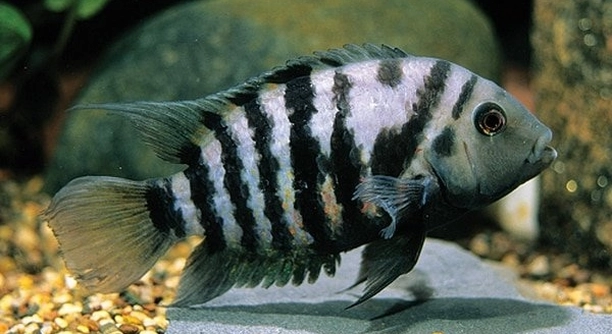
Caring for African cichlids can be rewarding, but sometimes these vibrant fish may appear weak or unwell. Knowing how to support their recovery is important for maintaining a healthy aquarium. This guide offers clear steps to help your cichlid regain strength.
Helping a weak African cichlid recover involves ensuring proper water quality, providing nutritious food, and reducing stress factors. Regular monitoring and timely intervention are essential to improve the fish’s health and prevent further complications.
Understanding the basics of cichlid care and recovery can make a big difference in their well-being. This article will help you take the right actions to support your fish during recovery.
Identifying Signs of Weakness in African Cichlids
When your African cichlid looks weak, it’s important to notice specific signs early. Common indicators include loss of appetite, slow swimming, and hiding more than usual. You may also see faded colors or clamped fins, which show discomfort. Sometimes, the fish might have visible spots or damage on its body. Water conditions often affect their health, so check for cloudiness or unusual smells in the tank. Keeping a close eye on these changes helps you act quickly. Early attention can prevent the situation from getting worse and increase the chances of recovery.
Observing your cichlid’s behavior daily is key. Small changes can be the first sign that something is off. This helps avoid serious problems later.
To keep your cichlid healthy, keep the tank clean and stable. Proper feeding and water quality support their strength. Knowing what to watch for will help you act before the fish’s condition worsens.
Improving Water Quality for Recovery
Water quality plays a big role in your cichlid’s health. Clean water means fewer stressors and less chance for disease. Poor water can lead to weakened immune systems and infections.
Testing the tank water regularly is important. You want to keep ammonia, nitrite, and nitrate levels low. The temperature should be stable, ideally between 75 and 82 degrees Fahrenheit. Perform partial water changes of about 20-30% weekly to keep the environment healthy. Use a water conditioner to remove harmful chemicals. Also, make sure the filter is working well and cleaned as needed. Keeping the water clear and stable gives your cichlid the best chance to recover fully.
Providing Proper Nutrition
Offering nutritious food is essential for a weak African cichlid’s recovery. High-quality pellets or flakes designed for cichlids are best.
Feeding small amounts multiple times a day can help encourage eating without overwhelming their system. Fresh or frozen foods like brine shrimp or bloodworms add valuable protein. Avoid overfeeding, as uneaten food can pollute the tank. Balanced nutrition supports the immune system and energy levels, helping the fish regain strength faster.
If your cichlid refuses food, try warming the water slightly or changing the feeding time. Sometimes gentle hand-feeding can stimulate appetite. Patience is key during this stage since stress and illness can reduce hunger. Maintaining a consistent feeding schedule and quality diet will improve overall recovery and health.
Reducing Stress in the Aquarium
Stress weakens African cichlids and slows recovery. Keeping the tank environment calm is important.
Avoid overcrowding by limiting the number of fish in the tank. Hiding places like rocks or plants help fish feel secure. Keep noise and sudden movements near the tank to a minimum. Maintain stable water conditions, as fluctuations cause stress. These simple steps create a peaceful space where your cichlid can focus on healing without extra pressure or threats.
Monitoring Water Parameters Regularly
Keeping track of water parameters helps catch problems early. Test ammonia, nitrite, nitrate, pH, and temperature at least once a week. Consistent monitoring prevents harmful changes that can stress or harm your cichlid.
Use reliable test kits and record results. Small adjustments can make a big difference. Staying on top of these details supports your fish’s health and speeds recovery.
Using Medication When Necessary
Sometimes medication is needed to treat infections or parasites. Always follow dosing instructions carefully to avoid harming the fish. Use treatments specific to the problem diagnosed.
Medicating only when necessary prevents resistance and keeps your tank environment safe.
Keeping the Tank Clean
Regular cleaning removes waste and prevents disease. Vacuum the substrate and clean decorations carefully without disrupting beneficial bacteria.
FAQ
How do I know if my African cichlid is really weak or just resting?
A weak African cichlid often shows signs like lack of appetite, slow or erratic swimming, faded colors, and hiding more than usual. Resting fish typically stay near their usual spots, have normal colors, and show some interest in food. If your fish seems inactive for long periods and doesn’t respond to feeding, it is likely weak or ill.
Can poor water quality alone make a cichlid weak?
Yes, poor water quality is one of the main reasons cichlids become weak. High ammonia, nitrite, or nitrate levels stress fish and damage their gills and immune system. Even slight imbalances can cause health issues over time. Regular testing and maintenance keep the water safe and help prevent weakness caused by toxins.
What should I feed a recovering cichlid?
Feed high-quality pellets or flakes made for African cichlids. Supplement their diet with protein-rich foods like frozen or live brine shrimp, bloodworms, or daphnia. Offer small amounts multiple times a day to encourage eating. Avoid overfeeding to prevent water pollution, which can harm recovery.
Is it necessary to isolate a weak cichlid from others?
Isolation can help reduce stress and prevent the spread of disease if your cichlid is sick. Use a separate hospital tank with proper water conditions and gentle filtration. Monitor the fish closely and treat any infections before returning it to the main tank. However, not all weak fish need isolation—only when illness or aggression is present.
How often should I change the water during recovery?
Perform partial water changes of 20-30% once or twice a week, depending on water quality. Frequent water changes help remove waste and toxins that can slow recovery. Always use a water conditioner to remove chlorine or chloramine and match the temperature of new water to the tank to avoid shock.
Can stress cause a healthy cichlid to become weak?
Yes, stress is a major factor in fish health. Overcrowding, aggressive tank mates, sudden changes in water conditions, and excessive noise or movement around the tank can all stress a cichlid. Stress weakens the immune system, making the fish more vulnerable to illness and slower to recover.
What role does tank setup play in recovery?
A proper tank setup provides hiding spots and reduces stress. Use rocks, plants, or decorations to create safe areas. Maintain stable water temperature and quality. A peaceful environment helps the fish feel secure and supports healing.
How long does it usually take for a weak African cichlid to recover?
Recovery time varies depending on the cause and severity of the weakness. Mild cases may improve within a week or two with proper care. More serious illnesses can take several weeks or longer. Consistency in water maintenance, nutrition, and stress reduction is key to faster recovery.
Should I use medication immediately if my cichlid looks weak?
Not always. First, check water quality and make necessary changes. If symptoms persist or worsen, consider medication after identifying the issue. Using medication unnecessarily can harm beneficial bacteria and the fish. Always follow instructions carefully and consult with an expert if unsure.
Can I prevent my cichlid from becoming weak in the first place?
Yes, good prevention includes maintaining clean, stable water conditions, providing a balanced diet, avoiding overcrowding, and reducing stress factors. Regular monitoring and early intervention at the first sign of trouble also help keep your cichlid healthy and strong.
African cichlids are beautiful and lively fish that bring life to any aquarium. However, like all living creatures, they can sometimes become weak or ill. Taking proper care of these fish means paying close attention to their needs, including water quality, nutrition, and stress levels. By maintaining a stable environment and offering good food, you can help your cichlid stay healthy and avoid common problems. It’s important to remember that a weak cichlid needs gentle care and patience to recover fully.
When your African cichlid shows signs of weakness, acting quickly makes a big difference. Checking the water regularly and making sure it stays clean is one of the most effective steps you can take. Feeding the fish nutritious food in small amounts encourages healing and supports their immune system. Reducing stress by providing hiding places and avoiding sudden changes in the tank environment helps the fish feel safe and secure. Each of these steps works together to create the best conditions for recovery.
Recovery takes time, and every fish heals differently. Consistent care and careful observation are key. Sometimes medication is needed, but many times good water conditions and proper feeding are enough to restore strength. Remember, keeping your African cichlid healthy is about balance and attention to detail. By following these simple practices, you can enjoy the vibrant colors and lively behavior of a strong, healthy fish in your aquarium.

Hello,
If you enjoy the content that we create, please consider saying a "Thank You!" by leaving a tip.
Every little bit helps us continue crafting quality advice that supports the health, happiness, and well-being of pets around the world, for pets of all shapes, sizes, and species.
We really appreciate the kindness and support that you show us!