
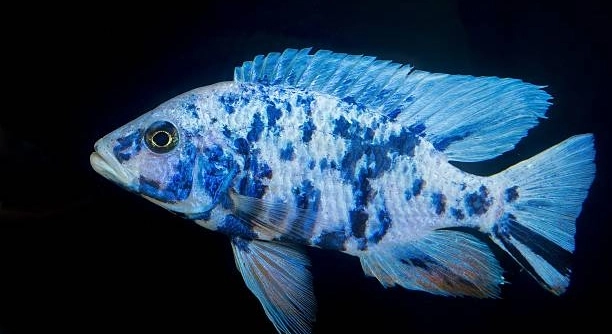
Keeping African cichlids as pets has become popular among aquarium enthusiasts. These vibrant fish are known for their striking colors and active behavior. Many wonder if it is possible to keep them in smaller containers like bowls.
African cichlids require specific water conditions and adequate space for healthy growth. Keeping them in bowls is generally not recommended due to poor filtration and limited swimming area, which can lead to stress and health problems for the fish.
Understanding the needs of these fish can help ensure their well-being. This article explores the best environments for African cichlids and why bowls may not be suitable.
Why Bowls Are Not Suitable for African Cichlids
African cichlids need stable and clean water conditions to thrive. Bowls often lack proper filtration, which leads to the quick buildup of harmful waste. Without enough space to swim, these fish can become stressed and aggressive. Cichlids also produce a lot of waste compared to smaller fish, making it difficult to maintain a healthy environment in a bowl. The limited volume of water in bowls causes fluctuations in temperature and water chemistry, which can harm the fish. Bowls are typically too small to support the complex social behavior of cichlids, who need space to establish territories. While bowls might look attractive, they simply do not meet the basic needs of African cichlids for health and longevity.
Keeping cichlids in a bowl often results in poor water quality and stressed fish. This can lead to illness and shorter lifespans.
To properly care for African cichlids, it is best to provide a tank with at least 30 gallons of water. This allows for adequate filtration and space. Proper water changes and monitoring are essential to keep the water clean. Providing hiding spots and rocks mimics their natural habitat and reduces stress. A larger tank supports their active behavior and territorial nature, promoting better health and natural social interactions. Investing in a suitable tank improves the fish’s quality of life and helps maintain vibrant colors.
Alternative Options for Small Spaces
If space is limited, consider small tanks designed with filtration systems instead of bowls. These setups can better support fish health.
Smaller tanks with filters help maintain water quality and temperature stability. Proper equipment can make a big difference.
Using a tank with a filter and heater designed for smaller spaces provides a healthier environment than a bowl. These tanks allow for regular maintenance and help keep water parameters stable. Choosing hardy fish species that tolerate smaller environments may be a better option if space is very restricted. Careful planning and research will ensure that your fish live in conditions that suit their needs. This approach avoids common problems linked to keeping fish in inadequate containers.
Basic Care Requirements for African Cichlids
African cichlids need clean, well-oxygenated water and stable temperatures around 75-82°F. Regular water changes and a good filter are essential for their health.
A quality filtration system keeps the water clear and removes toxins, which helps prevent diseases. These fish are sensitive to sudden changes in water quality, so consistency matters. They also require a diet rich in protein and specialized cichlid pellets or flakes to maintain their vibrant colors and energy. Overfeeding can cause water pollution, so feeding small amounts two to three times daily is recommended.
Maintaining a stable environment means monitoring water parameters such as pH, hardness, and ammonia levels. African cichlids prefer slightly alkaline water with a pH between 7.8 and 8.6. Using a test kit regularly can help keep these levels in check. Adding rocks and caves not only decorates the tank but also mimics their natural habitat, helping reduce stress by offering hiding spots.
Common Problems When Keeping Cichlids in Bowls
The small size of bowls limits oxygen availability and creates rapid waste buildup. This leads to unhealthy living conditions.
Without proper filtration, ammonia and nitrite levels rise quickly, which are toxic to cichlids. The temperature can fluctuate more in bowls due to their small water volume, stressing the fish. Stress weakens the immune system, making cichlids vulnerable to diseases such as ich or fin rot. The lack of space also causes aggressive behavior, as these fish need room to establish territories and swim freely. Bowls generally fail to provide these essentials, which is why they are unsuitable for African cichlids’ long-term care.
Suitable Tank Size for African Cichlids
A tank size of at least 30 gallons is recommended for keeping African cichlids healthy. This space supports their activity and social behavior.
Larger tanks also help maintain water quality and reduce aggression by providing enough room for territories.
Proper Filtration and Maintenance
Filtration is crucial for African cichlids due to their high waste production. A strong filter removes toxins and keeps water clear. Regular partial water changes, about 20-30% weekly, help maintain stable water conditions. Monitoring water parameters such as ammonia, nitrite, and nitrate is necessary to prevent health issues. Avoid overcrowding to reduce stress and improve water quality. Consistent care ensures the fish thrive and maintain their vibrant appearance.
Benefits of a Natural Habitat Setup
Creating a tank with rocks and caves mimics their natural environment. This setup provides hiding places, reducing stress and aggression.
FAQ
Can African cichlids survive in bowls?
African cichlids can survive for short periods in bowls, but it is not ideal for their health. Bowls lack proper filtration, oxygenation, and space, which leads to stress and poor water quality. Over time, these conditions can cause illness and shorten their lifespan.
What is the minimum tank size for African cichlids?
A minimum of 30 gallons is recommended for a small group of African cichlids. This size provides enough space for swimming, territorial behavior, and helps maintain stable water conditions. Larger tanks are better, especially if you plan to keep more fish or multiple species.
Why is filtration important for African cichlids?
Cichlids produce a significant amount of waste, which can quickly pollute the water. A good filtration system removes harmful chemicals and waste, keeping the water clean and safe. Without filtration, toxins like ammonia build up and become dangerous for the fish.
Can I keep African cichlids with other fish in a bowl?
Mixing species in a bowl is not recommended, especially with African cichlids. Bowls are too small to accommodate multiple fish comfortably. Cichlids are territorial and aggressive, so limited space increases conflicts and stress.
How often should I change the water if I keep cichlids in a bowl?
If you keep cichlids temporarily in a bowl, daily partial water changes of 25-30% are necessary. However, this is a short-term solution. Bowls do not support long-term fish health due to unstable water quality and lack of filtration.
What water parameters do African cichlids need?
They thrive in water with a pH between 7.8 and 8.6, a temperature range of 75-82°F, and moderate hardness. These conditions resemble their natural habitat and support their health and behavior.
Is feeding cichlids in a bowl different from a tank?
Feeding should be controlled regardless of the container. Overfeeding is common and causes water pollution. Feed small amounts once or twice daily, removing any uneaten food promptly to keep the water clean.
Can African cichlids live without a heater?
If the room temperature is stable and within their preferred range (75-82°F), a heater may not be necessary. However, most people keep a heater to maintain consistent temperatures, especially in cooler climates.
What decorations are best for cichlids?
Rocks, caves, and hiding places are ideal. They help reduce aggression by giving fish space to establish territories and feel secure. Avoid sharp decorations that could injure them.
How do I reduce aggression among African cichlids?
Provide enough space, hiding spots, and avoid overcrowding. Keeping more fish in a larger tank can spread out aggressive behavior. Choosing compatible species and balanced male-to-female ratios also helps.
Can African cichlids live long in a bowl?
Generally, no. Bowls fail to meet their environmental needs, leading to stress and disease. Proper tanks with filtration and space are essential for their long-term survival.
What are signs that my cichlids are stressed in a bowl?
Signs include erratic swimming, loss of color, hiding constantly, and loss of appetite. These indicate poor water quality or inadequate living conditions.
Is it expensive to maintain a proper tank for African cichlids?
Initial costs for a tank, filter, heater, and decorations can be moderate. Ongoing expenses include food, water treatments, and electricity for equipment. The investment ensures the fish remain healthy and active.
Can I breed African cichlids in a bowl?
Breeding in a bowl is not recommended because of space limitations and unstable conditions. A larger tank with proper setup is necessary to support breeding behavior and protect fry.
How often should I test water in an African cichlid tank?
Testing water weekly is best. It helps catch any changes in pH, ammonia, nitrites, or nitrates before they become harmful. Consistent testing supports timely water changes and adjustments.
Final Thoughts
African cichlids are beautiful and active fish that require specific care to thrive. Keeping them in bowls is not a good choice for their health or well-being. Bowls usually do not provide enough space, proper filtration, or stable water conditions. These factors are important to prevent stress, disease, and early death in the fish. While bowls may seem convenient or attractive, they cannot meet the needs of African cichlids over time.
A proper aquarium setup with at least 30 gallons of water is recommended for African cichlids. Larger tanks offer enough room for swimming, territorial behavior, and social interaction. They also make it easier to maintain water quality and temperature stability. Good filtration systems and regular water changes help remove waste and toxins. Decorations such as rocks and caves create a more natural environment and reduce aggression. This type of setup helps African cichlids live longer, healthier lives and show their full range of natural behaviors.
If space is limited, smaller tanks with proper filtration are a better option than bowls. It is important to monitor water parameters like pH and temperature regularly. Feeding should be done carefully to avoid overfeeding and water pollution. Overall, keeping African cichlids requires commitment and attention to detail. When their needs are met, these fish reward their owners with vibrant colors and interesting personalities. Providing the right environment is key to enjoying African cichlids as pets.

Hello,
If you enjoy the content that we create, please consider saying a "Thank You!" by leaving a tip.
Every little bit helps us continue crafting quality advice that supports the health, happiness, and well-being of pets around the world, for pets of all shapes, sizes, and species.
We really appreciate the kindness and support that you show us!