
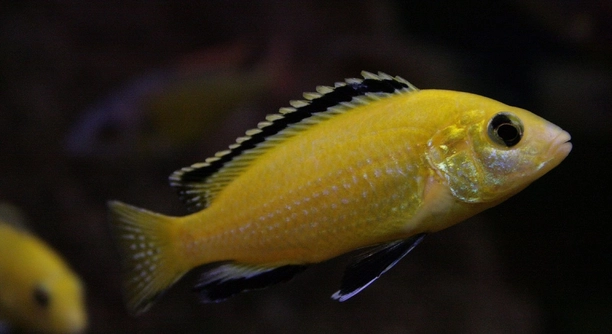
Is your African cichlid not growing as expected despite proper care? Many fish owners notice their cichlids staying small, which can be confusing and frustrating. Growth issues are common but often have clear causes related to environment and diet.
African cichlid growth can be affected by factors such as poor water quality, inadequate nutrition, overcrowding, or stress. These conditions hinder development by limiting the fish’s ability to absorb nutrients and maintain healthy metabolic functions. Proper care adjustments usually improve growth rates.
Understanding these causes will help you create a better environment for your cichlid. This knowledge supports healthier growth and enhances your enjoyment as an aquarium owner.
Common Causes of Stunted Growth in African Cichlids
Several factors can cause an African cichlid to stop growing or grow very slowly. One main reason is poor water quality. Ammonia, nitrite, or nitrate buildup in the tank stresses the fish and affects their health. Another factor is overcrowding. When too many fish share a small space, they compete for food and oxygen, which limits growth. Inadequate diet also plays a significant role. Cichlids need a balanced diet rich in protein and vitamins to grow properly. Stress from aggressive tank mates or constant disturbances can further slow their development. Sometimes, genetics may influence growth rate, but environmental conditions usually have the greatest impact. Monitoring these factors and adjusting your tank setup can help improve your fish’s growth and overall well-being.
Maintaining proper tank conditions requires regular water testing, frequent water changes, and feeding a variety of quality foods. These steps create a healthier space for your fish.
Keeping a close eye on water parameters and feeding habits can prevent many growth problems. Making these changes early can support your cichlid’s development.
The Importance of Diet for Growth
Feeding your African cichlid the right diet is essential for healthy growth. A poor diet often leads to stunted size.
African cichlids need a diet rich in protein, including both plant-based and animal-based foods. Commercial pellets or flakes designed for cichlids are a good base. Supplementing with live or frozen foods like brine shrimp, bloodworms, or daphnia boosts nutrition. Avoid overfeeding, as it can lead to poor water quality and health issues. Offering food two to three times a day in small amounts encourages proper digestion and nutrient absorption. Variety in diet also prevents deficiencies and keeps your fish interested in eating. By providing balanced nutrition, you support your cichlid’s immune system and growth potential.
Adjusting feeding routines based on the age and size of your fish helps them reach their full size. Observing how your cichlid responds to different foods lets you fine-tune their diet for the best results.
Tank Size and Environment
A tank that is too small can limit your African cichlid’s growth. Fish need enough space to swim freely and establish territories without stress.
When cichlids are kept in cramped tanks, their growth often slows because of stress and poor water circulation. Small tanks can also accumulate toxins more quickly, which affects health. Providing at least a 30-gallon tank for one or two cichlids helps maintain water quality and allows proper movement. Adding hiding spots and decorations reduces aggression and stress. A comfortable environment supports natural behavior, which encourages healthy growth over time.
Water temperature and pH levels also play a role. Cichlids thrive in slightly alkaline water, usually between 7.5 and 8.5 pH, with temperatures around 75 to 82°F. Keeping these stable prevents stress and supports their metabolism.
Stress and Aggression
Stress is a major factor in poor growth for African cichlids. Aggressive tank mates or frequent disturbances cause continuous tension.
High stress raises hormone levels that suppress growth and weaken the immune system. Aggressive behavior from other fish can force cichlids to hide or eat less, reducing their ability to grow. Avoid overcrowding and ensure compatible species share the tank. Observing fish interactions helps identify stress sources. If aggression is high, rearranging tank decorations or separating aggressive individuals can improve the situation. Calm, peaceful surroundings promote better feeding and faster growth.
Reducing stress also involves consistent water changes and minimizing sudden changes in tank conditions. Regular maintenance helps keep the fish comfortable and healthy.
Genetics and Growth Potential
Genetics affect how large an African cichlid can grow. Some species naturally remain smaller than others.
Selective breeding also influences growth rates. Knowing your fish’s species and background helps set realistic expectations for size and growth speed.
Monitoring Water Quality
Regular testing for ammonia, nitrites, and nitrates is essential. Poor water quality directly impacts your cichlid’s health and growth.
Keeping the water clean with partial water changes and a good filtration system creates a stable environment. This stability supports proper growth and reduces disease risk.
Signs of Health Problems
Lethargy, loss of appetite, or discoloration can indicate illness. Health issues often slow growth significantly.
Identifying and treating problems early is key to helping your cichlid recover and grow normally.
FAQ
Why is my African cichlid not growing despite good care?
Even with proper care, growth can be affected by subtle issues like inconsistent water parameters, stress from tank mates, or an unbalanced diet. Small changes in water quality, like sudden pH swings or ammonia spikes, can slow growth. Overcrowding or aggression may reduce feeding opportunities. Checking these details often helps identify the cause.
How often should I feed my African cichlid for optimal growth?
Feeding two to three times daily in small amounts is ideal. Overfeeding can pollute the tank and harm water quality, while underfeeding limits nutrition. Offering a mix of quality pellets, flakes, and occasional live or frozen foods ensures balanced nutrition.
Can poor water quality really stunt growth?
Yes. Poor water quality causes stress, weakens the immune system, and reduces nutrient absorption. Ammonia and nitrites are especially toxic and slow development. Regular testing and water changes are necessary to keep water parameters safe.
Does tank size really affect growth?
Tank size influences both stress and physical space. Small tanks limit swimming and territorial behavior, which can stunt growth. A minimum of 30 gallons is recommended for one or two adult cichlids to promote healthy development.
Will aggression in the tank affect my cichlid’s growth?
Aggression causes stress and limits access to food, both of which can slow growth. Keeping compatible species and managing the number of fish in the tank helps reduce aggression and supports better growth conditions.
Is genetics a major factor in growth size?
Genetics set the maximum size and growth speed, but environment usually has a bigger impact. Even the best genetics cannot overcome poor water conditions, diet, or stress.
How long does it usually take for African cichlids to reach full size?
Growth rates vary by species and conditions. Generally, cichlids grow rapidly in their first six months and then slow down. With good care, they often reach adult size within one year.
What are the signs that my cichlid is unhealthy and not growing properly?
Signs include lethargy, loss of appetite, faded colors, and unusual swimming patterns. If your cichlid stops growing and shows these symptoms, it may be ill or stressed.
Can changing the diet help improve growth?
Yes. Switching to a higher-quality, protein-rich diet can stimulate growth. Including live or frozen foods occasionally provides essential nutrients and variety.
Should I worry about overfeeding when trying to improve growth?
Overfeeding harms water quality and can cause obesity or digestive issues. It’s better to feed smaller, frequent meals than large amounts at once.
How often should I test the water?
Testing once a week is a good routine. More frequent testing may be needed if you notice behavioral changes or after cleaning the tank.
Are supplements necessary for growth?
Supplements like vitamins or minerals can help if the diet is lacking, but they are usually not needed if you provide a balanced diet.
Does temperature affect growth?
Yes. African cichlids grow best in stable temperatures between 75°F and 82°F. Temperatures outside this range can stress the fish and slow growth.
Can a new tank environment cause growth to slow?
Yes. Fish may slow growth temporarily while adjusting to a new environment. This is normal but should improve with proper care.
What role does filtration play in growth?
Good filtration maintains water quality by removing waste and toxins. This reduces stress and supports healthy growth.
Is overcrowding always a problem?
Overcrowding increases competition for food and oxygen and raises stress levels. It is best to keep the number of fish appropriate for your tank size.
How can I reduce aggression in my tank?
Add hiding spots, rearrange decorations, and avoid mixing aggressive species. Sometimes, separating aggressive individuals is necessary.
Can breeding affect growth rates?
Breeding adults might slow growth temporarily due to stress or energy used in reproduction. Fry (baby fish) grow rapidly if cared for well.
What should I do if my cichlid is not growing but shows no illness?
Review tank conditions, diet, and stress factors carefully. Sometimes, small adjustments in water quality or feeding routines make a big difference.
Is it normal for growth to slow after the first year?
Yes. African cichlids grow quickly at first, then growth slows as they near adult size.
Can lighting affect growth?
Lighting impacts behavior and feeding patterns but doesn’t directly affect growth. However, proper light cycles help maintain a healthy environment.
When should I consider upgrading my tank size?
If your cichlid shows signs of stress, aggression, or limited movement, a larger tank may be needed to support healthy growth.
Are there species differences in growth needs?
Yes. Some cichlids grow larger or faster and require more space and food. Knowing your species helps provide the right care.
Can water changes improve growth?
Regular water changes remove toxins and replenish minerals, creating a stable environment that encourages growth.
How does stress physically affect fish growth?
Stress increases cortisol levels, which suppresses appetite and slows metabolism, resulting in slower growth and weaker health.
What are the most important factors to check first if growth slows?
Start with water quality, tank size, diet, and stress levels. These factors are most often responsible for growth issues.
Final Thoughts
African cichlids are beautiful and active fish that can bring a lot of enjoyment to your aquarium. However, watching them struggle to grow can be frustrating. Growth problems are often the result of factors that can be managed with proper care and attention. Ensuring the right tank environment, diet, and water quality will help your cichlid reach its full potential. Growth does not happen overnight, so patience is important while you work on improving their conditions.
Water quality is one of the most important elements for healthy growth. Regular testing and maintenance of your tank can prevent harmful levels of toxins like ammonia and nitrites. These substances can stress your fish and interfere with nutrient absorption, slowing growth. Water changes and a good filtration system create a stable environment where cichlids can thrive. Keeping the water clean and within proper temperature and pH ranges supports their metabolism and overall health.
Another key factor is diet. African cichlids require balanced nutrition with enough protein and variety. Feeding them quality pellets or flakes supplemented with live or frozen foods encourages steady growth and strengthens their immune system. Avoid overfeeding, which can lead to water pollution and health problems. Stress and tank conditions also influence growth. Aggressive tank mates, overcrowding, and lack of space can cause stress, reducing appetite and growth rates. By monitoring all these factors carefully and making adjustments as needed, you give your cichlids the best chance to grow well and live a healthy life.

Hello,
If you enjoy the content that we create, please consider saying a "Thank You!" by leaving a tip.
Every little bit helps us continue crafting quality advice that supports the health, happiness, and well-being of pets around the world, for pets of all shapes, sizes, and species.
We really appreciate the kindness and support that you show us!