
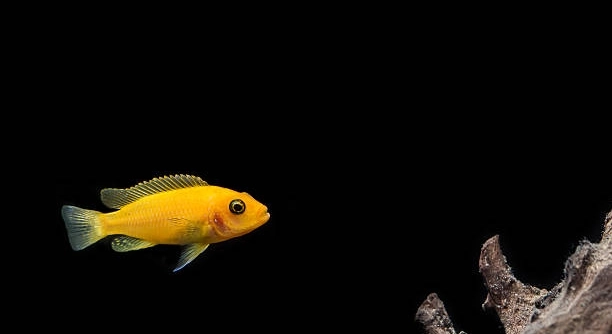
Is your African cichlid swimming calmly and interacting more often with its surroundings? These subtle changes might signal that it finally feels at ease in its environment.
An African cichlid that feels safe will display relaxed swimming patterns, vivid coloration, regular eating habits, and social interaction. These behaviors suggest the fish is not experiencing stress and is well-adjusted to its tank environment.
Learning to recognize these signs can help you support your cichlid’s comfort and long-term health in a thriving aquarium setting.
Your Cichlid Swims Calmly Without Hiding
When your African cichlid feels safe, it stops hiding and starts exploring its space with ease. It glides through the tank calmly, without darting or staying in one corner. This behavior often means it’s comfortable with its surroundings and doesn’t perceive any threats. You might notice it swimming at all levels of the tank, especially near the middle and top. A relaxed cichlid will move smoothly rather than with jerky or fast motions. If your fish used to hide behind rocks or stay still at the bottom but now spends time out in the open, it’s a good sign that it feels secure. A calm swimming pattern is one of the clearest indicators that the tank environment suits your fish’s needs and that it has adjusted well.
A cichlid that feels threatened often hides. When it feels safe, it becomes more active and visible throughout the tank.
Watching your fish swim freely without showing signs of stress helps you know things are on track. These patterns tell you it’s at ease. Stress-free swimming helps prevent health issues and encourages natural behavior. It also means your water conditions, tank mates, and hiding spaces are likely balanced. Keep observing to ensure these patterns remain consistent.
It Eats Regularly and Shows Interest in Food
A safe and secure African cichlid will eat without hesitation. It shows eagerness when food is added to the tank and swims to the top quickly.
Eating regularly is a strong sign your fish is healthy and not under stress. When African cichlids feel threatened or unwell, they often lose interest in food. You might notice hesitation, slow movement toward food, or complete avoidance when something is wrong. On the other hand, when your fish is feeling comfortable, it will become alert as soon as you approach the tank and will respond to feeding cues without delay. It may even compete gently with other fish for food, which is normal and reflects a sense of safety in the group. Regular feeding behavior not only supports growth and coloration but also boosts immunity. Keep an eye on changes in appetite or energy levels, as a sudden drop can signal discomfort or illness. A healthy feeding response reflects overall well-being.
It Interacts With Other Fish Peacefully
A relaxed African cichlid will engage with tank mates without displaying aggression. It may swim near others or establish gentle boundaries without chasing or nipping. This calm social behavior shows your fish feels secure and recognizes its place in the group.
When cichlids feel safe, they interact more naturally with those around them. You might see them swimming alongside others, showing interest without being territorial. While African cichlids can be assertive by nature, a peaceful one will avoid unnecessary conflict and will not isolate itself. If it’s guarding a specific space, it does so calmly rather than through aggression. It’s normal for some chasing to happen during breeding or feeding, but it should not be constant. Keep an eye on interactions, as excessive aggression may indicate stress or overcrowding. Balanced behavior is a sign your fish feels at home in its environment and trusts the setup you’ve created.
Social behavior is a helpful way to understand how safe your fish feels. A peaceful fish has likely grown familiar with its tank mates and no longer sees them as threats. This makes daily life smoother and less stressful for all fish in the tank. When aggression is low and curiosity is high, things are likely going well.
It Maintains Bright and Stable Coloring
Bright, even coloring is a strong indicator that your African cichlid is comfortable. Faded or patchy tones can suggest stress, illness, or a poor environment.
When your fish feels secure, its natural colors become more vibrant and consistent. This is especially true for males, who often display brighter tones when healthy and settled. Dull or darkened colors might show up during stress or conflict, but once things are stable, the fish’s color will even out again. A well-balanced tank, clean water, and stable temperatures all support this healthy appearance. Pay attention to any sudden changes in coloring, as they can warn you early about potential problems. If your cichlid is eating well, swimming calmly, and interacting peacefully while maintaining strong coloration, you’re likely doing things right. Color is often the most visible sign of well-being, so noticing it early helps keep your fish in good shape longer.
It Sleeps in the Open or in a Regular Spot
A safe African cichlid will sleep in the open or return to the same resting spot each night. This shows it doesn’t feel the need to hide from threats and is comfortable with its surroundings.
If your fish changes sleeping spots often or hides deeply, it may feel unsafe. Consistent sleeping patterns and relaxed posture during rest are positive signs of comfort and security.
It Reacts Calmly to Tank Maintenance
When your African cichlid remains calm during routine maintenance like water changes or filter cleaning, it shows trust in its environment. A frightened fish will dart or hide quickly. Calm behavior during these activities means your fish recognizes that these disturbances aren’t dangerous. If it watches from a distance or simply shifts positions without panicking, it’s likely comfortable with the presence of your hand and tools. This reaction doesn’t usually happen right away. It builds over time, as the fish becomes more familiar with the routine and understands that its space remains safe afterward.
It Explores New Decorations Quickly
A secure cichlid will explore new tank additions without hesitation. This curious behavior shows confidence and a lack of fear in its surroundings.
FAQ
How can I tell if my African cichlid is stressed?
Signs of stress include hiding often, loss of appetite, faded colors, rapid breathing, and erratic swimming. A stressed cichlid may also show aggression or withdraw from other fish. Changes in behavior like these usually mean the environment needs adjustment, such as better water quality or less overcrowding.
What tank conditions help my cichlid feel safe?
Stable water temperature, proper pH levels, and clean water are essential. African cichlids prefer rocky hiding spots and plenty of space to swim. Avoid overcrowding and aggressive tank mates. Consistent lighting and feeding routines also help reduce stress and create a comfortable environment.
Why does my cichlid change color sometimes?
Color changes can happen due to mood, health, or environment. Bright, vivid colors usually indicate a healthy, relaxed fish. Dull or dark colors can signal stress, illness, or poor water conditions. Seasonal or breeding cycles may also affect coloration.
How important is tank decoration for cichlid safety?
Tank decorations like rocks, caves, and plants provide hiding spots and territory boundaries. These help reduce stress by giving your cichlid places to retreat or rest. Without enough hiding spots, fish may feel exposed and unsafe, leading to aggression or hiding.
Can aggressive behavior mean my cichlid is unsafe?
Aggression can be a sign of stress or territorial behavior. However, some aggression is normal, especially among males or during breeding. If aggression is constant and severe, it might mean the fish feels threatened or overcrowded. Adjusting tank mates or increasing hiding spaces can help.
How often should I feed my African cichlid?
Feed your cichlid once or twice daily with high-quality pellets or flakes designed for cichlids. Overfeeding can pollute the water and cause health problems. Feeding a balanced diet in moderate amounts supports their health and helps them feel secure.
What are common signs my cichlid is healthy?
Healthy cichlids have bright colors, regular eating habits, smooth swimming, and peaceful social behavior. They rest in consistent spots and react calmly to changes in the tank. Any sudden changes in these behaviors may require closer attention.
Is it normal for my cichlid to hide sometimes?
Yes, hiding is normal, especially if new fish are introduced or during nighttime. But constant hiding or avoiding food can indicate stress or illness. A balanced tank with enough hiding spots helps your fish feel safe without excessive hiding.
How long does it take for a cichlid to feel safe in a new tank?
Adjustment times vary, but most African cichlids start showing comfort signs within a few days to a couple of weeks. Providing proper conditions and minimizing sudden changes helps them settle faster.
What should I do if my cichlid doesn’t show signs of feeling safe?
Check water quality, tank setup, and compatibility with other fish. Make sure hiding spots are available and feeding routines are consistent. Sometimes separating aggressive fish or increasing tank size is necessary. Monitoring and small adjustments often improve your cichlid’s comfort over time.
African cichlids are beautiful and lively fish that show clear signs when they feel safe in their environment. Recognizing these signs can help you provide better care and improve their overall well-being. When your cichlid swims calmly, eats regularly, interacts peacefully, and displays bright colors, it means the tank conditions are meeting its needs. These behaviors show that your fish is comfortable with its surroundings, the water quality, and the presence of other fish. Paying attention to these details allows you to adjust the tank setup or routine to support your fish’s health and happiness.
Maintaining a stable and well-balanced environment is key to helping your African cichlid feel secure. This includes keeping the water clean, maintaining proper temperature and pH, and offering enough hiding places and space for natural behavior. Regular feeding with the right diet also contributes to their comfort. Fish that feel safe will respond calmly to changes in their tank, like water changes or new decorations. Over time, they become more confident and show natural behaviors such as exploring their environment and resting openly. Creating a stress-free habitat is essential not only for their physical health but also for their mental well-being.
Overall, observing your African cichlid’s behavior closely is the best way to ensure it feels safe and content. Small changes in how your fish acts can be early signals that something in the environment needs attention. By offering consistent care, a good tank setup, and patience, you help your fish thrive. Feeling safe in their aquatic home allows African cichlids to live longer, grow healthier, and display their full range of colors and behaviors. This knowledge supports better fishkeeping and a more enjoyable experience for anyone who cares for these vibrant creatures.

Hello,
If you enjoy the content that we create, please consider saying a "Thank You!" by leaving a tip.
Every little bit helps us continue crafting quality advice that supports the health, happiness, and well-being of pets around the world, for pets of all shapes, sizes, and species.
We really appreciate the kindness and support that you show us!