
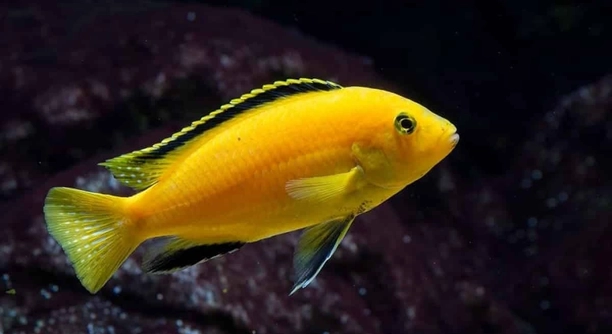
African cichlids are popular aquarium fish admired for their bright colors and active behavior. Many fishkeepers enjoy caring for them but often want to know how long these fish typically live in captivity. Understanding their lifespan helps with proper care and expectations.
The lifespan of an African cichlid varies by species but generally ranges from 5 to 10 years in captivity. Factors such as tank conditions, diet, and genetics influence their longevity. Proper care can extend their life and maintain their health.
Knowing the typical lifespan of African cichlids helps fishkeepers plan for their care and enjoy these vibrant fish for years to come. The following information explains what affects their lifespan in more detail.
Factors Affecting African Cichlid Lifespan
Several factors influence how long an African cichlid will live. Water quality is one of the most important. Poor water conditions can lead to stress and disease, reducing the fish’s lifespan. Proper filtration and regular water changes are essential. Diet also plays a critical role. A balanced diet rich in proteins and vitamins supports growth and health. Overfeeding or feeding inappropriate food can cause health problems. Tank size and environment affect lifespan as well. Cichlids need enough space to swim and hide. Overcrowding causes stress and aggression, which shortens life. Lastly, genetics affect longevity. Some species naturally live longer than others, and individual genetics can vary within species. Knowing these factors helps maintain healthier fish.
Regular tank maintenance and a nutritious diet are key to keeping African cichlids healthy and extending their lifespan.
Providing stable, clean water and a proper diet will support your cichlids’ well-being and longevity. Avoid overcrowding to reduce stress and aggression. Monitoring these conditions regularly prevents common health issues. Tank decorations like rocks and plants create hiding spots, which help reduce stress. Keep a consistent feeding schedule with high-quality food. If you notice unusual behavior or signs of illness, act promptly to treat it. By controlling these factors, you improve your cichlids’ chances of living a full life. Understanding the needs of your specific cichlid species ensures the best care possible.
Common Lifespan Differences by Species
Different African cichlid species have varied lifespans based on their natural traits.
Some species, like the Electric Yellow and Yellow Lab, often live around 7 to 10 years with proper care. Others, such as Mbuna cichlids, may have shorter lifespans of 5 to 7 years. Larger species, like some Peacock cichlids, tend to live longer, sometimes up to 10 years or more. Lifespan differences also relate to environmental needs, such as water hardness and temperature preferences. Matching care to these species-specific needs supports longer life. Knowing your cichlid’s species helps you provide the right conditions to maximize their lifespan and well-being.
Ideal Tank Conditions for African Cichlids
Maintaining the right tank conditions is essential for African cichlids’ health and longevity. Stable water parameters reduce stress and disease risks.
African cichlids thrive in water with a pH between 7.8 and 8.6 and temperatures around 75-82°F (24-28°C). Keeping these parameters steady is important. Sudden changes can cause stress or illness. The tank should have good filtration to maintain water clarity and remove toxins. Regular partial water changes, about 20-30% weekly, help keep the environment clean. A tank size of at least 30 gallons is recommended for most species to allow swimming space and reduce aggression. Adding rocks and caves provides hiding spots, which lower stress and create territories.
Proper tank setup supports healthy behavior and reduces risks of disease, making your cichlids more likely to live longer, happier lives. Monitoring water quality and temperature regularly is necessary for their well-being.
Feeding and Nutrition
Providing a balanced diet tailored to African cichlids is crucial for their lifespan and vitality. A varied diet helps meet all their nutritional needs.
Most African cichlids are omnivores but have different dietary preferences depending on species. Some prefer more plant-based food, while others need protein-rich diets. High-quality flakes or pellets formulated for cichlids serve as a good staple. Supplementing with live or frozen foods such as brine shrimp, bloodworms, or daphnia adds variety and nutrients. Avoid overfeeding, as excess food can pollute the tank and cause obesity or health problems. Feeding small amounts two to three times daily usually works well. Observing your fish’s appetite and condition helps adjust feeding amounts.
A consistent, balanced feeding routine ensures your cichlids get the energy and nutrients they need to stay active and healthy throughout their lives.
Common Health Issues
African cichlids are prone to diseases such as ich and swim bladder disorder. Early detection is key to treatment success.
Maintaining clean water and a balanced diet reduces the risk of illness. Stress from poor tank conditions can weaken their immune system, making them more vulnerable.
Tank Mates for African Cichlids
Choosing compatible tank mates is important to prevent aggression and stress. African cichlids are territorial and can be aggressive.
Species from the same region with similar size and temperament usually coexist better. Avoid mixing them with small, passive fish that may get bullied. Proper tank size and plenty of hiding spaces help reduce conflicts and promote a peaceful environment.
Breeding and Lifespan
Breeding can sometimes shorten an African cichlid’s lifespan due to the energy and stress involved.
Fish that breed often need extra care, including enhanced diet and stress reduction measures.
FAQ
How long do African cichlids live in home aquariums?
African cichlids generally live between 5 and 10 years in captivity, depending on the species and care quality. Some species may live a little longer with optimal conditions, while others tend to have shorter lifespans. Proper tank maintenance, diet, and stress reduction are essential for maximizing their lifespan.
What are the most important factors to extend their lifespan?
Water quality is crucial; keeping parameters stable and clean reduces stress and disease risks. A balanced diet tailored to the species supports health and growth. Avoid overcrowding and provide hiding spaces to reduce aggression. Regular monitoring and prompt treatment of illnesses help maintain longevity.
Can African cichlids live with other fish?
They can, but caution is necessary due to their territorial nature. Choose tank mates of similar size and temperament from the same region to reduce aggression. Avoid small or passive fish that could be bullied. A spacious tank with plenty of hiding spots helps keep peace.
What is the ideal tank size for African cichlids?
Most African cichlids need at least a 30-gallon tank to thrive. Larger species or groups require bigger tanks to prevent overcrowding and reduce aggressive behavior. The tank should include rocks, caves, and plants for territories and hiding places.
How often should I change the water in an African cichlid tank?
Perform partial water changes of about 20-30% weekly to maintain water quality. This helps remove waste and toxins that accumulate, keeping the environment healthy and stable for your fish.
What type of diet should I feed my African cichlids?
A varied diet works best. High-quality cichlid pellets or flakes can be staples. Supplement with live or frozen foods like brine shrimp, bloodworms, or daphnia for protein. Some species prefer more plant-based foods, so know your species’ needs and adjust accordingly.
Can overfeeding shorten their lifespan?
Yes, overfeeding can lead to obesity, poor water quality, and health problems. Feed small amounts two to three times daily, only what the fish can consume within a few minutes. Remove uneaten food promptly to prevent water pollution.
What signs show that my African cichlid is stressed or sick?
Look for changes in behavior such as lethargy, loss of appetite, hiding more than usual, or erratic swimming. Physical signs include faded colors, spots, clamped fins, or swollen areas. Early detection and treatment are important to prevent serious illness.
How does breeding affect their lifespan?
Breeding can be stressful and requires extra energy, which may shorten lifespan if not managed carefully. Providing enhanced nutrition and minimizing stress during breeding periods helps maintain their health.
What water parameters should I maintain?
Aim for a pH between 7.8 and 8.6 and temperatures around 75-82°F (24-28°C). Keep parameters stable to avoid stress. Hard water is preferred by many African cichlid species. Test water regularly and adjust as needed.
Are African cichlids aggressive?
Many species are territorial and can be aggressive, especially during breeding or when establishing dominance. Proper tank size, compatible tank mates, and enough hiding places help manage aggression.
How can I reduce aggression in my tank?
Provide ample space and territories by arranging rocks and caves. Avoid overcrowding. Select species with similar temperaments and sizes. Regular monitoring and separating aggressive individuals if necessary will improve tank harmony.
How do I treat common diseases like ich?
For ich, increase tank temperature slightly and use appropriate medication available at pet stores. Quarantining new fish before adding them to the tank helps prevent disease spread. Maintain good water quality to reduce outbreaks.
Is it better to keep African cichlids in species-only tanks?
Species-only tanks reduce conflict risks and make care simpler. However, some carefully planned mixed tanks with compatible species can work if space and hiding spots are adequate.
What is the best way to introduce new cichlids?
Acclimate new fish slowly by floating their bag in the tank to equalize temperature, then gradually mixing tank water before release. Introduce new fish during feeding times to reduce aggression and watch closely for any signs of stress.
How often should I clean the tank decorations?
Clean rocks and decorations every few weeks or when algae buildup is visible. Use gentle scrubbing with water only—avoid soaps or chemicals. This helps maintain a healthy environment without disturbing beneficial bacteria.
Can African cichlids recognize their owners?
While not like mammals, cichlids can learn to associate feeding times with their owners’ presence. They may come to the front of the tank when you approach, showing recognition to routine interaction.
What is the best lighting for African cichlids?
Moderate lighting that mimics natural daylight works well. Too bright light can stress fish, while too dim light may affect their color and behavior. Use timers to maintain consistent light cycles, typically 10-12 hours daily.
Do African cichlids need a special substrate?
Sand or fine gravel is preferred as many cichlids dig and sift through substrate. Avoid sharp or large gravel that can harm them. The substrate should also be easy to clean and not affect water parameters negatively.
How do I handle aggression between cichlids?
If fights occur, rearranging tank decorations can disrupt established territories and reduce aggression. Separating aggressive fish temporarily or permanently may be necessary. Providing multiple hiding places allows less dominant fish to escape confrontation.
This FAQ covers key concerns about African cichlid care and lifespan. Following these guidelines will help maintain a healthy, thriving aquarium for your fish.
African cichlids are a popular choice for many aquarium keepers because of their bright colors and interesting behaviors. Their lifespan generally ranges from five to ten years, depending on the species and how well they are cared for. Proper care includes maintaining stable water conditions, feeding a balanced diet, and providing enough space in the tank. Paying attention to these details helps keep your fish healthy and active for many years.
Keeping African cichlids healthy involves more than just basic care. They need a tank environment that closely matches their natural habitat, including the right water temperature and pH levels. Regular water changes and good filtration prevent harmful toxins from building up. Feeding them the right food, including both plant-based and protein-rich options, supports their immune system and growth. Also, it is important to manage aggression by giving each fish enough space and hiding places. This reduces stress, which can otherwise lead to illness and shorten their lifespan.
Understanding the needs of African cichlids and following proper care guidelines can make a significant difference in how long they live and how well they thrive. Regular observation allows you to notice any changes in behavior or appearance early, which helps in treating problems before they get serious. By creating a healthy, stable environment, you can enjoy watching these vibrant fish for many years. Taking the time to learn about their care and needs will make your aquarium experience more rewarding and successful.

Hello,
If you enjoy the content that we create, please consider saying a "Thank You!" by leaving a tip.
Every little bit helps us continue crafting quality advice that supports the health, happiness, and well-being of pets around the world, for pets of all shapes, sizes, and species.
We really appreciate the kindness and support that you show us!