
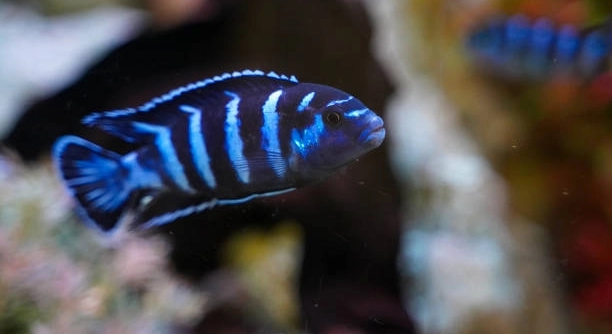
African cichlids are popular freshwater fish known for their vibrant colors and active behavior. Many hobbyists seek ways to keep these fish healthy and engaged in their home aquariums. Providing enrichment is important for their overall well-being.
Enrichment for African cichlids involves creating stimulating environments that encourage natural behaviors. Simple additions like hiding spots, varied substrates, and interactive objects can improve their physical and mental health, reducing stress and promoting activity.
Exploring these easy enrichment ideas will help you create a more dynamic and enjoyable aquarium for your cichlids. The following suggestions are practical and easy to implement.
Creating Hiding Spots
African cichlids feel more secure when they have places to hide and explore. Adding caves, rocks, or PVC tubes can give them these spots. These structures mimic their natural environment, helping reduce stress. Hiding spots also encourage natural behaviors like territorial defense and breeding. Using smooth rocks or aquarium-safe decorations avoids injuries. You can arrange multiple hiding places around the tank to create different territories. Changing their layout occasionally can stimulate curiosity and exploration. Avoid overcrowding the tank, as too many decorations limit swimming space. Proper hiding spots help your cichlids feel comfortable and active, improving their health and appearance. This simple change can make a noticeable difference in how your fish behave daily.
Adding simple hiding spots encourages natural activity and reduces stress, making your cichlids more vibrant and lively.
Adjust hiding areas based on your fish’s size and behavior. Watch how they use the spaces to make improvements.
Using Live Plants
Live plants can improve the aquarium environment by adding oxygen and helping with water quality. African cichlids often dig or move plants, so choose sturdy species like Anubias or Java fern. These plants tolerate cichlid behavior better and provide some cover. Planted tanks offer a natural look and promote healthy fish behavior. Plants also reduce algae growth by competing for nutrients. Be aware that some cichlids may uproot or nibble on plants. You might need to anchor plants securely or protect them with rocks. Over time, plants grow and create a varied environment that encourages exploration. Healthy plants benefit both fish and the aquarium’s ecosystem.
Live plants bring many benefits, but selecting the right types and placement is key to keeping them intact. With care, plants add beauty and function to your tank.
Varied Substrates
Using different substrates in your aquarium adds texture and interest for African cichlids. Mixing sand, gravel, and small rocks mimics their natural habitat. This variety encourages digging and natural foraging behavior.
Different substrates also influence water chemistry, so choose materials that suit your cichlid species. Sand is gentle on their mouths and allows for easy digging, while gravel provides good drainage and surface area for beneficial bacteria. Mixing substrates creates a more complex environment that keeps fish engaged. Regularly cleaning the substrate prevents buildup of waste and keeps water quality stable. Watching your cichlids explore the different textures can be quite rewarding.
Substrate variety supports both physical health and natural instincts in cichlids. Adjust substrate depth and type based on species needs to optimize tank conditions.
Interactive Feeding Techniques
Changing feeding methods can enrich your African cichlids’ daily routine. Instead of always dropping food on the surface, try scattering or hiding it among rocks and plants. This stimulates natural hunting behavior and reduces boredom.
Feeding with tools like tweezers or feeding rings encourages precision and engagement. You can offer live or frozen foods to vary nutrition and texture, which also supports natural instincts. Feeding time becomes an opportunity for physical activity and mental stimulation. Be careful not to overfeed or leave excess food, as it can harm water quality. Observing how your fish search for food adds interest to tank maintenance and helps strengthen their health.
Interactive feeding techniques improve fish activity and mimic natural conditions. Incorporate variety to keep your cichlids alert and active throughout the day.
Adding Floating Plants
Floating plants provide shade and create calm areas in the tank. They help reduce bright light, which can make cichlids feel more comfortable and less stressed.
These plants also offer hiding spots near the water surface. They improve water quality by absorbing excess nutrients, helping to keep algae under control.
Rearranging Tank Decor Regularly
Changing the layout of rocks, plants, and other decorations every few weeks refreshes the environment for your cichlids. This encourages exploration and prevents boredom. Fish react positively to new surroundings and will be more active when their tank changes. Moving items also helps reduce territorial disputes by breaking up established territories, promoting harmony among fish. Careful rearrangement keeps your aquarium interesting without causing stress. Watching how your cichlids adapt can reveal new behaviors and interactions.
Using Mirrors
Briefly placing a mirror outside the tank can stimulate cichlids. They often react to their reflection by displaying natural territorial or mating behaviors. Use mirrors only for short periods to avoid stress.
FAQ
How often should I change the tank layout for my African cichlids?
Changing the tank layout every 3 to 4 weeks is ideal. This gives your cichlids enough time to explore and get used to the environment but prevents boredom. Avoid rearranging too often, as constant changes can cause stress. Monitor your fish’s behavior to find the right balance.
Can live plants survive with African cichlids?
Yes, but you need to choose hardy plants like Anubias, Java fern, or Vallisneria. These plants tolerate cichlid digging and nibbling better than delicate species. Secure plants well by anchoring them with rocks or planting them in pots to reduce uprooting. Keep an eye on how your cichlids interact with plants to avoid damage.
What types of substrates are best for African cichlids?
Sand and fine gravel are usually best. Sand is gentle on their mouths and allows digging, which is a natural behavior. Fine gravel also works well and provides a base for beneficial bacteria. Avoid sharp or rough substrates that could harm your fish.
Are hiding spots necessary for African cichlids?
Yes, hiding spots are very important. They help reduce stress by giving fish safe places to retreat. Hiding spots also encourage natural behaviors such as territory building and breeding. Use rocks, caves, or PVC pipes designed for aquarium use. Make sure the spots are large enough for your fish.
Is it okay to use mirrors to enrich cichlids?
Mirrors can be used but only for short periods. Cichlids may see their reflection and act territorial or display mating behavior. This stimulation can be good but too much exposure might cause stress or aggression. Limit mirror use to a few minutes at a time and observe your fish closely.
How can I make feeding more enriching?
Try hiding food in rocks, plants, or substrate to encourage foraging. Use tools like feeding tweezers or rings to vary the feeding experience. Live or frozen foods add variety and encourage natural hunting instincts. Avoid overfeeding to maintain water quality.
What plants should I avoid with African cichlids?
Avoid delicate or slow-growing plants like Amazon swords and many mosses. These plants are often uprooted or eaten by cichlids. Fast-growing or tough-leaved plants are better suited since they withstand digging and nibbling.
How do I prevent territorial aggression when adding enrichment?
Space hiding spots and decorations evenly to break up territories. Rearrange the tank regularly to disrupt established boundaries. Provide enough space so dominant fish don’t control the whole tank. Watch fish behavior to intervene if aggression becomes severe.
Will enrichment improve my cichlids’ colors?
Yes, a stimulating environment reduces stress and encourages healthy behavior, which can enhance coloration. Active, happy fish usually show better colors. Good water quality, proper diet, and adequate enrichment all contribute to vibrant fish.
Can African cichlids live with other species when enriched?
It depends on the species. Some cichlids are aggressive and may not tolerate tankmates well. Enrichment can reduce stress and aggression but won’t eliminate it. Choose compatible species carefully and provide plenty of space and hiding places. Observe interactions regularly.
Final thoughts are important when caring for African cichlids, as their well-being depends on a good environment. Providing enrichment helps keep them healthy and active. Simple changes like adding hiding spots, using live plants, or varying the substrate can make a big difference in their behavior and stress levels. These steps help create a habitat that feels natural to the fish, which is important for their long-term happiness. When fish are less stressed, they show better colors and live longer.
It is also important to remember that enrichment is not a one-time fix but an ongoing process. Regularly changing tank decorations and feeding techniques keeps the fish interested and prevents boredom. Watching how the cichlids respond helps you understand their needs better. Each fish is different, so adjusting the environment to match their behavior is key. Over time, you will learn what works best to keep your cichlids lively and comfortable.
Lastly, good care includes keeping the tank clean and maintaining proper water conditions. Enrichment alone cannot replace the need for regular water changes and monitoring water parameters. A healthy environment supports all enrichment efforts. Combining physical improvements in the tank with good maintenance creates the best home for your African cichlids. When these elements come together, your fish will thrive and bring you enjoyment for many years.

Hello,
If you enjoy the content that we create, please consider saying a "Thank You!" by leaving a tip.
Every little bit helps us continue crafting quality advice that supports the health, happiness, and well-being of pets around the world, for pets of all shapes, sizes, and species.
We really appreciate the kindness and support that you show us!