
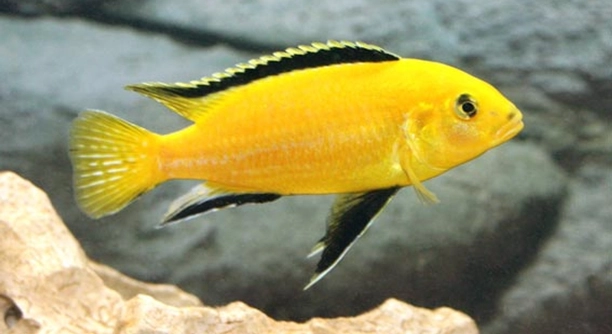
Have you ever noticed your cichlid fish biting the tank glass and wondered why they do it? Many cichlid owners see this behavior and wonder if it signals a problem. This article explores the reasons behind this common fish action.
Cichlids bite tank glass mainly because they mistake their reflection for a rival or potential mate. This behavior is often a sign of territoriality or breeding instincts, triggered by seeing themselves in the reflective surface.
Understanding why your cichlid acts this way can help improve their environment and reduce stress. Learning the causes is the first step toward a healthier tank for your fish.
Reasons Behind Glass Biting Behavior
Cichlids often bite tank glass because they see their own reflection and react to it. This is common in territorial or breeding fish that perceive the reflection as an intruder. When they spot this “rival,” they try to chase it away by biting or striking the glass. This behavior can also result from boredom or stress in the tank environment. If the tank is too small, lacks hiding places, or has poor water quality, cichlids may act out more aggressively. Over time, repeated biting can cause damage to their mouths or fins. It’s important to observe their behavior and tank setup closely. Adding decorations, plants, or rearranging the tank can help reduce the reflections and give the fish a more natural environment. Monitoring their interactions and tank conditions is essential to keeping cichlids healthy and calmer.
Biting the glass is mainly a sign of territorial defense or frustration due to the fish’s environment.
Making changes in tank layout or adding tank mates can reduce the stress that leads to glass biting.
How Tank Conditions Affect Behavior
Tank size, water quality, and decorations play a big role in cichlid behavior. A cramped tank makes fish feel trapped and stressed, which can increase aggression. Clean water and regular maintenance help keep fish healthy and less irritable. Decorations and plants offer hiding spots, making the fish feel safer and less likely to attack reflections. Lighting also affects how much they see themselves in the glass. Bright lighting increases reflections, encouraging more biting. Adjusting light or using backgrounds can reduce this issue. Providing a balanced diet and keeping compatible tank mates also lowers stress levels. Paying attention to all these factors will help your cichlid feel more secure and less prone to biting glass.
Adjusting tank conditions is key to managing aggressive glass biting in cichlids.
Creating a peaceful and comfortable habitat helps reduce unnecessary stress and aggression in the fish.
Would you like me to continue with more sections?
Preventing Glass Biting in Cichlids
Removing reflections is an effective way to stop glass biting. Using tank backgrounds or repositioning the aquarium helps reduce mirror images.
Adding plants, rocks, or decorations can break up reflections inside the tank. These objects create hiding spots, reducing stress and boredom that cause biting. Regular tank maintenance also keeps fish healthy and calmer.
Introducing tank mates carefully may distract cichlids from their reflections. Choose compatible species to avoid increasing aggression. Changing lighting to lower brightness can reduce visible reflections, helping fish focus less on the glass.
When to Be Concerned About Glass Biting
Persistent biting can cause injury or indicate stress or illness. If your cichlid damages its mouth or fins, action is needed quickly.
Monitor for signs of disease, like discoloration or unusual behavior, which might cause increased aggression. Stress from poor water quality or overcrowding often leads to biting, so check these conditions regularly.
If biting continues despite changes, consider consulting an aquatic specialist. Proper diagnosis ensures the well-being of your fish and prevents long-term harm.
Common Myths About Glass Biting
Some people think cichlids bite glass because they are hungry. This is not true. Biting is usually linked to behavior, not hunger.
Others believe fish can get stuck in the glass. Glass is smooth and hard, so this does not happen. The biting is more about territory or stress.
Role of Tank Mates in Behavior
The presence of tank mates can either calm or worsen glass biting. Compatible species provide social interaction that reduces boredom and aggression. However, overcrowding or aggressive tank mates increase stress, making biting worse. It’s important to choose peaceful companions and give enough space to avoid conflicts. Proper tank balance helps fish focus less on their reflection and more on their environment.
Signs Your Cichlid Is Stressed
Watch for restless swimming, hiding, or loss of appetite. These signs often mean stress that may cause glass biting.
FAQ
Why do cichlids bite the glass even when they have tank mates?
Cichlids are territorial by nature, so even with tank mates, they may see their reflection as a rival. Tank mates can reduce boredom, but reflections can still trigger biting if the fish feels threatened or wants to defend its space.
Can biting the glass harm my cichlid?
Yes, repeated biting can cause injuries to their mouths or fins. If you notice wounds or bleeding, it’s important to act quickly by improving tank conditions or reducing reflections. Prolonged stress from biting can also affect their overall health.
How can I stop my cichlid from biting the glass?
Use a tank background or reposition the aquarium to reduce reflections. Add decorations like plants and rocks to break up mirrored images. Adjust lighting to lower brightness, and provide enough hiding places to make the fish feel safe. Introducing compatible tank mates may help distract them.
Is glass biting a sign of aggression or stress?
Glass biting is usually a sign of territorial aggression triggered by seeing their reflection. It can also indicate stress caused by poor water quality, overcrowding, or boredom. Monitoring tank conditions can help identify the root cause.
Will increasing tank size help with glass biting?
A larger tank gives cichlids more space to establish territory and reduces feelings of confinement. This can lower stress and aggression, making glass biting less frequent. However, reflections can still cause biting if not addressed.
Do all cichlids bite the glass?
Not all cichlids bite glass. Some species are more territorial or aggressive, making them more prone to this behavior. Understanding your specific cichlid’s nature can help manage their needs better.
Can poor water quality cause glass biting?
Yes, poor water quality stresses fish, leading to increased aggression or unusual behavior, including biting the glass. Regular water changes and maintaining proper filtration are essential for preventing stress-related biting.
Should I change the lighting to reduce glass biting?
Yes, reducing tank light brightness can lower the reflections that trigger biting. Using a dimmer light or repositioning the tank away from direct sunlight can help minimize mirror images.
Is glass biting more common during breeding?
Yes, during breeding, cichlids become more territorial and aggressive. They may bite the glass more often if they see their reflection as a threat to their eggs or fry. Providing ample hiding spots can reduce stress during this time.
Can diet influence glass biting behavior?
A balanced diet supports overall health and reduces stress, but it does not directly stop glass biting. Ensuring your cichlid is well-fed helps prevent aggression caused by hunger or poor nutrition.
How long does glass biting behavior usually last?
Glass biting can last as long as the fish sees its reflection or feels stressed. With proper tank adjustments, this behavior often decreases over weeks. Patience and consistent care are important to help your cichlid calm down.
When should I seek professional help for my cichlid’s biting?
If biting causes injury, does not improve after environmental changes, or is accompanied by illness signs, consult a fish health expert. Early intervention can prevent serious damage and improve your cichlid’s wellbeing.
Does rearranging tank decorations help with glass biting?
Yes, rearranging decorations breaks up reflections and gives fish new territory to explore. This can reduce boredom and territorial disputes linked to glass biting.
Can stress from tank mates cause glass biting?
Yes, aggressive or incompatible tank mates can stress cichlids, increasing biting behavior. Careful selection of peaceful companions and enough space is essential to reduce stress.
Is it normal for young cichlids to bite the glass?
Young cichlids may bite glass as they establish their territory. This behavior can lessen as they grow and adjust to their environment. Providing a proper setup helps minimize this behavior early on.
Cichlids biting tank glass is a behavior many fish owners notice and sometimes worry about. It mainly happens because the fish see their own reflection and think it is another fish invading their space. This can make them feel threatened or competitive, especially if they are protecting territory or during breeding times. While it may look concerning, this behavior is quite natural for cichlids. Understanding why it happens helps in creating a better environment for the fish. Adjusting the tank setup or caring for their needs can make a big difference in reducing glass biting.
Tank conditions play an important role in how often cichlids bite the glass. A tank that is too small, lacks hiding places, or has poor water quality can cause stress. Stress leads to aggression and unwanted behaviors, including biting. By making sure the tank is large enough, clean, and decorated with plants or rocks, the fish feel safer and less stressed. Changing lighting to reduce reflections also helps. Sometimes adding compatible tank mates can give the cichlids something else to focus on. These small changes improve the fish’s comfort and well-being, making them less likely to bite the glass.
It’s also important to keep an eye on your cichlid’s health. If biting causes injuries or happens alongside signs of illness or extreme stress, taking action is necessary. This might mean changing the water more often, rearranging the tank, or consulting an expert. Every fish is different, so watching how your cichlid behaves helps you respond in the best way. With patience and care, you can reduce glass biting and help your cichlid live a happier, healthier life in its tank.

Hello,
If you enjoy the content that we create, please consider saying a "Thank You!" by leaving a tip.
Every little bit helps us continue crafting quality advice that supports the health, happiness, and well-being of pets around the world, for pets of all shapes, sizes, and species.
We really appreciate the kindness and support that you show us!