
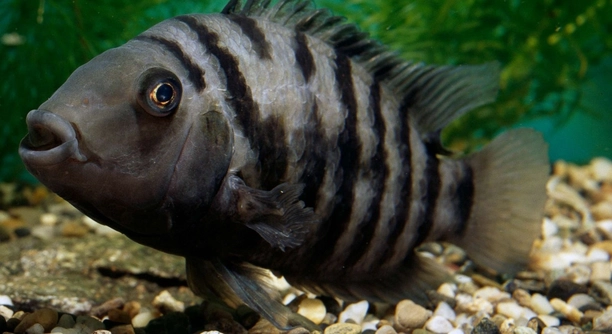
Are your cichlids losing their vibrant colors despite your efforts to keep them healthy? Many fish owners notice this issue and wonder what might be causing it. Understanding the reasons behind color loss can help improve their well-being.
Cichlids can lose color due to factors such as poor water quality, inadequate diet, stress, illness, inappropriate lighting, overcrowding, and aging. Each factor negatively impacts their pigmentation and overall health, leading to a faded appearance.
Recognizing these causes is essential for maintaining your cichlids’ bright colors and overall health. The following details will help you address these common issues effectively.
Poor Water Quality
Poor water quality is a common reason cichlids lose their vibrant colors. When water contains high levels of ammonia, nitrites, or nitrates, it creates a stressful environment for the fish. This stress affects their immune system and causes their colors to fade. Additionally, improper pH levels or hard water can impact their health and coloration. Regular water testing and timely water changes help maintain a balanced environment. Avoid overcrowding the tank, as it increases waste and lowers water quality quickly. Using a good filtration system also supports stable water conditions. Keeping the water clean allows cichlids to stay healthy and keep their bright colors longer.
Maintaining optimal water quality is critical for your cichlids’ health. Testing water weekly and performing partial water changes can prevent many problems related to color loss.
Balancing the water environment requires consistency. Use water conditioners to remove harmful chemicals before adding tap water. Avoid drastic changes in temperature and pH, as these can shock your fish. Observing your cichlids daily helps you spot early signs of water quality issues, such as lethargy or faded color. Investing in a reliable water testing kit and filter will improve the tank’s condition and help your fish maintain their natural beauty.
Inadequate Diet
A poor diet lacking essential nutrients causes cichlids’ colors to dull. These fish need a balanced mix of proteins, vitamins, and minerals to support their pigmentation and health. Feeding only one type of food, such as flakes or pellets, can limit the nutrients they receive. Including a variety of foods like live or frozen brine shrimp, bloodworms, and high-quality flakes enhances their diet. Vitamins like vitamin C and carotenoids are especially important for bright coloration. Overfeeding can also lead to poor water quality, indirectly affecting color.
Offering a varied diet with nutrient-rich options supports strong colors and overall fish health.
Feeding cichlids a well-rounded diet requires planning. Provide different foods throughout the week to cover all nutritional needs. Fresh or frozen foods are excellent sources of protein and promote natural colors. Supplement with vitamin-enriched flakes or pellets to fill any gaps. Avoid cheap foods with fillers that offer little benefit. Proper feeding schedules and portion control prevent overfeeding, keeping water clean and fish healthy. Healthy eating directly reflects in their vibrant appearance and active behavior. Monitoring their response to different foods helps tailor their diet for the best results.
Stress
Stress causes cichlids to lose their color quickly. Factors like sudden changes in environment, aggressive tank mates, or poor water conditions increase stress levels. Reducing these triggers helps preserve their vibrant appearance.
Stress weakens a cichlid’s immune system, making it harder for them to maintain bright colors. Frequent chasing or bullying by other fish forces them to hide and lose their natural hues. Sudden changes in temperature or water quality shock the fish, causing fading. Even overcrowding the tank creates a stressful environment. Keeping a stable, peaceful habitat with compatible tank mates supports their well-being and coloration. Providing plenty of hiding spots reduces tension and helps fish feel safe.
Maintaining a calm tank environment means avoiding sudden disturbances. Use gentle water changes and avoid overcrowding. Observing fish behavior daily helps detect signs of stress early. When aggression occurs, separating aggressive fish prevents ongoing harm. Stress management leads to healthier, more colorful cichlids.
Illness and Disease
Illness often causes color loss in cichlids, as the body focuses on fighting infection rather than pigmentation. Common diseases like ich, fin rot, or parasites weaken fish and dull their colors.
Treating illness quickly is vital to restore your cichlids’ health and color. Quarantine new fish to prevent spreading diseases. Signs of sickness include lethargy, loss of appetite, and faded color. Maintaining good water quality supports immune function. Use appropriate medication when necessary and follow dosage instructions carefully. Early treatment reduces damage and improves recovery chances.
Regular observation and prompt action are key to preventing disease-related color loss. Keeping your fish healthy preserves their natural beauty.
Inappropriate Lighting
Improper lighting can cause cichlids to lose their color. Too much bright light or too little natural light affects their pigmentation negatively. Balanced lighting helps maintain vibrant colors.
Use a timer to provide consistent light cycles. Avoid placing tanks in direct sunlight, which can cause stress and algae growth.
Overcrowding
Overcrowding leads to competition for food, space, and oxygen. This stress causes cichlids to lose their bright colors and become more susceptible to illness.
Providing enough space and limiting the number of fish reduces stress. It also improves water quality and overall fish health, preserving their natural coloration.
Aging
As cichlids grow older, their colors naturally fade. This is a normal part of their life cycle and does not always indicate poor health.
Older fish may display less vibrant hues but can still be healthy and active. Proper care can help maintain their quality of life despite color changes.
FAQ
Why are my cichlids’ colors fading even though the water looks clean?
Clean water alone doesn’t guarantee healthy colors. Water quality involves more than clarity—levels of ammonia, nitrites, nitrates, and pH must be balanced. Even small spikes in these chemicals can stress fish and cause color loss. Testing water regularly helps identify problems early.
How often should I change the water to keep cichlids colorful?
Partial water changes of 20-30% weekly help maintain good water quality. This removes waste and toxins without shocking the fish. Consistency is key because sudden or infrequent changes can stress cichlids and affect their coloration.
Can feeding only flakes cause color loss?
Yes. Flakes often lack essential nutrients found in varied diets. A mix of flakes, pellets, and live or frozen foods like brine shrimp and bloodworms provides proteins and vitamins that support bright colors. Variety also keeps fish interested in their food.
What lighting conditions help maintain cichlid colors?
Cichlids thrive under moderate lighting that mimics natural day and night cycles. Using a timer for about 8-10 hours of light daily avoids stress and color fading. Avoid harsh direct sunlight or continuous bright light that can harm pigmentation.
How do I reduce stress to protect my cichlids’ colors?
Keep tank conditions stable by avoiding sudden temperature or water changes. Choose peaceful tank mates and avoid overcrowding. Provide hiding places like rocks or plants. Watching fish behavior helps detect stress early so you can take action.
Is color loss always a sign of illness?
Not always. Color fading can result from stress, diet, or environment. However, if color loss is accompanied by other symptoms like lethargy, clamped fins, or spots, illness may be the cause. Early treatment improves recovery chances.
Can old cichlids regain their bright colors?
Aging naturally dulls colors, but good care can enhance what remains. Balanced nutrition, clean water, and stress reduction help older fish maintain their best possible appearance. Expect some fading as part of the natural life cycle.
Does overcrowding affect color?
Yes. Too many fish in one tank causes competition and stress, which dulls color. Adequate space reduces fighting and improves water quality, both important for maintaining vibrant cichlids.
How do I treat my cichlids if they have parasites or disease causing color loss?
Quarantine sick fish to prevent spread. Identify the disease or parasite and use appropriate medication according to instructions. Maintain excellent water quality to support recovery. Early treatment is essential to prevent permanent damage.
Are there any supplements that can help restore cichlid color?
Certain supplements containing carotenoids or spirulina can enhance pigmentation. These can be added to food or the tank but should not replace a balanced diet. Consult a specialist before using supplements to avoid overdosing or harm.
How long does it take for cichlids to regain color after fixing problems?
Recovery time varies depending on the cause. With proper care, improvements can appear within a few weeks. Consistent water quality, diet, and stress reduction help fish regain their bright colors gradually.
Can breeding cichlids affect their coloration?
Breeding often causes temporary color fading due to energy use and stress. After spawning, colors usually return once fish recover. Providing extra nutrition and low-stress environments supports faster color restoration.
Is tank decoration important for maintaining color?
Yes. Natural decorations like rocks and plants reduce stress and offer hiding places. This calm environment helps fish feel secure, which supports healthy coloration. Avoid sharp or overcrowded decor that causes injury or stress.
Cichlids are beautiful fish that brighten any aquarium with their vibrant colors. However, their colors can fade due to various factors, including poor water quality, inadequate diet, stress, illness, and environmental conditions. Understanding these causes helps in taking proper care of your fish. Keeping water clean and stable, feeding a balanced diet, and maintaining a calm environment are essential steps to preserving their bright colors. Attention to these details makes a noticeable difference in the health and appearance of your cichlids.
Maintaining the right conditions for your cichlids requires regular effort and observation. Testing water parameters and performing scheduled water changes help create a safe home for your fish. Offering a variety of nutritious foods supports their natural pigmentation and overall well-being. Avoiding overcrowding and aggressive tank mates reduces stress, which is a common cause of color loss. Watching your cichlids closely will allow you to catch problems early and act quickly. This consistent care routine is key to keeping your fish healthy and colorful for years.
While some factors, like aging, may naturally affect color over time, most causes of color loss can be managed or corrected. It is important to provide a stable environment and proper nutrition, and to treat illnesses promptly. By doing so, you help your cichlids maintain their lively colors and enjoy a better quality of life. This attention to their needs not only improves their appearance but also supports their health, making your aquarium a more enjoyable and beautiful place.

Hello,
If you enjoy the content that we create, please consider saying a "Thank You!" by leaving a tip.
Every little bit helps us continue crafting quality advice that supports the health, happiness, and well-being of pets around the world, for pets of all shapes, sizes, and species.
We really appreciate the kindness and support that you show us!