
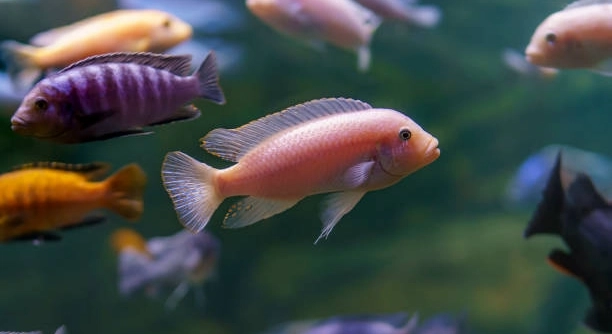
New cichlids bring excitement to any aquarium, but introducing them without care can lead to problems. Proper steps help ensure your tank stays healthy and your fish thrive in their new environment. Taking precautions benefits both you and your fish.
Quarantining new cichlids helps prevent disease transmission to existing fish populations. It allows observation of health issues and reduces stress by providing a controlled environment before introducing them to the main tank. This practice supports overall aquatic ecosystem stability.
Following quarantine guidelines can protect your fish and improve their long-term wellbeing. The next sections will explain the key reasons why this step is essential.
Preventing the Spread of Disease
New cichlids can carry diseases that are not immediately visible. Quarantining them first allows you to watch for signs like unusual behavior, spots, or discoloration before introducing them to your main tank. This simple step helps protect your established fish from infections and parasites. Many illnesses spread quickly in close quarters, so catching problems early is important. A quarantine tank provides a safe space to treat any health issues without risking others. It also gives new fish time to adjust to water conditions and reduce stress, which strengthens their immune systems. Skipping quarantine can lead to costly treatments and loss of fish. Setting up a small, separate tank for a few weeks is a worthwhile investment in your aquarium’s health. This practice keeps your main tank environment more stable and peaceful for all inhabitants.
Keeping new fish isolated during quarantine reduces the risk of introducing hidden diseases to your main aquarium.
Quarantine tanks serve as a controlled environment for monitoring and treating new fish. This prevents disease outbreaks that can spread rapidly and harm your entire collection. The extra care during this phase pays off by maintaining a healthy, balanced tank. When fish are stressed or sick, their immune defenses weaken, making them vulnerable to infections. Quarantine allows you to address these issues early. Regular observation helps identify signs like lethargy, clamped fins, or unusual swimming patterns. Treating these problems in isolation avoids exposing your main tank to harmful bacteria or parasites. Besides health benefits, quarantine gives fish time to acclimate to new water parameters gradually. A calm transition reduces shock and increases their chances of thriving once moved to the main tank. This practice also helps you avoid unnecessary losses and expensive treatments in your primary aquarium setup.
Reducing Stress for New Fish
New environments can be overwhelming for cichlids, causing stress that weakens their immune systems. Quarantine tanks provide a quieter, less crowded space where fish can adjust slowly to changes. This reduces shock from sudden water quality differences or aggressive tankmates. Stress can trigger illness and aggressive behavior, so minimizing it early helps fish settle in more peacefully. During quarantine, you can control feeding routines and water parameters more easily, promoting steady health. When fish arrive directly into a busy tank, they face competition and possible bullying from established fish. Isolating new arrivals gives them time to regain strength and confidence before joining the main group. The calmer setting helps them recover from transportation stress and prepares them for a successful transition. Observing their behavior during quarantine also helps you notice any signs of distress or illness that might be missed in a full tank.
Quarantine reduces stress by providing new fish a calm environment for adjustment away from established fish.
A peaceful quarantine period helps new cichlids acclimate to tank conditions without facing immediate aggression or competition. Stress from transport and new water conditions can leave fish vulnerable. A separate tank lets them recover, eat well, and build immunity in a controlled setting. You can carefully monitor and adjust temperature, pH, and other water factors to match their needs. Feeding is easier to manage, ensuring the fish get proper nutrition without competition. Once healthy and calm, fish adapt better when introduced to the main aquarium. This reduces the chances of illness and behavioral issues caused by stress. A stress-free quarantine is a vital step toward creating a balanced and thriving community tank, promoting harmony and longevity among all your cichlids.
Monitoring Water Quality Closely
Quarantine tanks make it easier to keep water conditions stable. This controlled setting helps prevent sudden changes that could stress new cichlids. Monitoring parameters like ammonia, nitrites, and pH is simpler in a smaller, less populated tank.
Maintaining clean water is crucial for fish health, especially when they are adjusting to a new environment. In quarantine, you can perform regular water changes and test the water more frequently. This helps catch issues before they become serious. Since the tank is smaller, waste buildup happens faster but is easier to manage. Keeping ammonia and nitrites at zero reduces risks of poisoning or irritation to the fish’s gills and skin. Stable pH and temperature levels also support their immune system during this vulnerable period.
The quarantine tank’s simplicity helps prevent complications from poor water quality. It allows for precise adjustments and reduces the chance of harmful conditions developing. Keeping water quality high ensures new cichlids remain healthy and ready for introduction to the main tank.
Identifying Aggressive Behavior Early
Quarantine helps reveal aggressive tendencies that new cichlids may show. Observing fish in isolation or small groups gives insight into how they might interact once added to the main aquarium. Recognizing early signs of aggression allows you to plan for proper tank mates or separate troublesome fish.
Aggression can cause injury and stress in community tanks. Quarantine offers a chance to assess each fish’s temperament without the chaos of a full tank. If a cichlid shows overly aggressive or territorial behavior, you can decide if it should be housed separately or with certain species. This step helps maintain peace in your main aquarium by avoiding unexpected conflicts. Early identification also lets you adjust the environment or tank setup to better accommodate the fish’s needs, reducing stress and improving overall harmony among all residents.
Easier Observation of Health Issues
Quarantine tanks make it simpler to spot early signs of illness. In a smaller environment, changes in behavior or appearance are more noticeable. This early detection helps prevent serious health problems.
Observing fish closely during quarantine allows you to catch problems before they spread. This reduces the risk of infecting other fish in your main tank.
Preventing Parasite Infestations
Parasites often hitchhike on new fish and can quickly spread. Quarantine provides a safe space to treat infestations without affecting your established aquarium.
Gradual Acclimation to New Water
Quarantine allows for slow adjustment to different water conditions. This reduces shock and stress when new cichlids move to the main tank.
Protecting Your Investment
Quarantining protects the time, effort, and money spent on your fish by minimizing losses from preventable diseases and stress.
FAQ
Why is quarantining new cichlids necessary?
Quarantining new cichlids is necessary to prevent the introduction of diseases and parasites into your main tank. It allows you to monitor the fish closely for signs of illness and gives them time to adjust to a new environment without stress from established tankmates. This simple step helps protect your entire aquarium’s health.
How long should I quarantine new cichlids?
A typical quarantine period lasts between two to four weeks. This timeframe provides enough opportunity to observe any signs of illness and to treat the fish if needed. It also gives them time to recover from transport stress and acclimate to water conditions gradually. Shorter periods might miss slow-developing issues, while longer quarantines can increase stress.
What equipment do I need for a quarantine tank?
A quarantine tank should be a separate, smaller aquarium with a reliable heater and filter suitable for the tank size. You’ll need a thermometer to monitor temperature and water testing kits to check ammonia, nitrites, nitrates, and pH regularly. Some keepers use sponge filters to avoid strong currents. Keep lighting simple and avoid decorations that make cleaning difficult.
Can I use the main tank for quarantine if I clean it well afterward?
It’s not recommended to use the main tank for quarantine. Even with thorough cleaning, diseases or parasites can linger in hidden areas or on equipment. A separate quarantine tank provides a controlled environment free from risks to your established fish. This extra precaution is much safer and reduces the chance of spreading illness.
How often should I change water in a quarantine tank?
Frequent water changes are important in quarantine tanks because they tend to accumulate waste faster due to smaller volume and higher fish density. Changing 20-30% of the water every few days helps keep ammonia and nitrite levels low. Regular changes maintain better water quality and reduce stress on the fish.
What signs of illness should I watch for during quarantine?
Look for changes in behavior such as lethargy, loss of appetite, or hiding. Physical signs include white spots, redness, clamped fins, unusual swimming patterns, or rapid breathing. Early detection makes treatment easier and improves survival chances. Keeping a close eye is one of the best advantages of quarantine.
Can I treat diseases in the quarantine tank?
Yes, the quarantine tank is ideal for treating diseases. Isolating sick fish allows you to use medications without affecting the main tank’s beneficial bacteria or other inhabitants. Treatment is often more effective in this controlled environment, where dosing and monitoring are simpler.
What should I feed my cichlids during quarantine?
Feed a high-quality, appropriate diet to support recovery and immune health. Offer small, frequent meals rather than large amounts at once to avoid water pollution. You can also use medicated food if a disease is present. Keeping fish well-nourished during quarantine helps them heal and build strength.
Is it okay to quarantine multiple fish together?
Quarantining multiple fish together is possible but requires enough space to prevent overcrowding and aggression. Keep species compatibility in mind and watch for signs of stress or bullying. Sometimes separating very aggressive or vulnerable fish individually is safer to ensure proper monitoring and treatment.
What if my quarantine tank isn’t cycling yet?
If the quarantine tank isn’t fully cycled, perform frequent small water changes to keep ammonia and nitrites low. Adding beneficial bacteria supplements can help speed up the cycling process. It’s important to keep water parameters safe to prevent additional stress or harm to the fish.
How do I know when it’s safe to move cichlids from quarantine to the main tank?
Fish can be moved when they show no signs of illness after the full quarantine period, water parameters are stable, and they are eating well. Also, make sure the main tank conditions closely match those in the quarantine tank to avoid shock. Introducing healthy, calm fish promotes harmony in the community.
Can quarantine help reduce aggression in new cichlids?
Quarantine doesn’t change a fish’s natural temperament but can reduce stress that triggers aggression. Observing fish during quarantine lets you identify overly aggressive individuals and decide if they need separate housing. Preparing for aggression early helps maintain peace once they join the main tank.
What if I don’t have space for a quarantine tank?
If space is limited, consider a small, dedicated container with filtration for quarantine. Even a simple setup can work for short periods. Prioritize this step as much as possible since it protects your entire aquarium. You might also coordinate quarantine timing to avoid having multiple new fish at once.
Are there alternatives to quarantine?
No true alternatives offer the same level of protection as quarantine. Some hobbyists skip it, but this risks disease outbreaks and losses. Preventive measures like purchasing from reputable sources help but don’t guarantee fish are disease-free. Quarantine remains the best defense for a healthy aquarium.
How can I make quarantine less stressful for my cichlids?
Maintain stable water parameters, provide hiding spots, and avoid overcrowding. Use gentle filtration and keep lighting moderate. Feeding small amounts regularly supports health. Minimizing handling and noise near the tank also reduces stress. A calm environment during quarantine encourages recovery and adaptation.
Quarantining new cichlids before adding them to your main tank is a simple but important step that protects your entire aquarium. It helps prevent the spread of disease and parasites that could harm your established fish. By keeping new fish separate for a few weeks, you can watch for any health issues and treat them early. This approach lowers the risk of losing fish to illness and reduces the need for expensive treatments later. Taking this precaution saves time, money, and stress in the long run.
In addition to health benefits, quarantine also reduces stress on the new fish. Moving to a new tank is already challenging for cichlids, and placing them directly into a busy community tank can make it worse. A quiet, controlled quarantine tank gives them time to adjust to water conditions and recover from transportation stress. This helps them build a stronger immune system and better prepares them for life in the main aquarium. A calm environment during quarantine encourages healthier, more confident fish that settle in smoothly once introduced to their new home.
Overall, quarantine is a responsible practice that benefits both your fish and your aquarium setup. It is an easy way to maintain a stable, healthy tank environment while protecting the investment you have made in your aquatic pets. Though it requires extra effort and space, the advantages are clear. Quarantine helps ensure that new cichlids start their time with you on the right foot and that your established community remains safe and thriving. Incorporating quarantine into your routine creates a healthier, more enjoyable aquarium experience for everyone involved.

Hello,
If you enjoy the content that we create, please consider saying a "Thank You!" by leaving a tip.
Every little bit helps us continue crafting quality advice that supports the health, happiness, and well-being of pets around the world, for pets of all shapes, sizes, and species.
We really appreciate the kindness and support that you show us!