
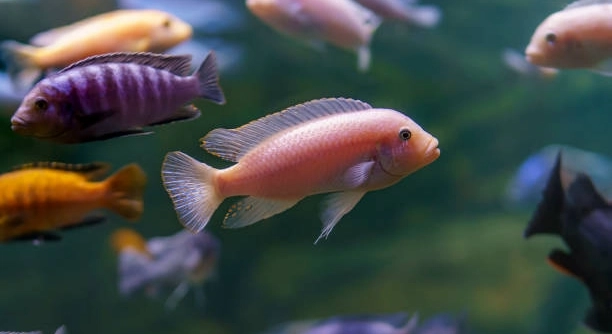
Are your cichlids flashing against the gravel and leaving you puzzled? Watching your fish behave oddly can be concerning, especially when they rub their bodies against surfaces. Understanding this behavior helps in keeping your aquarium healthy and your fish comfortable.
Flashing in cichlids typically indicates irritation caused by parasites, poor water quality, or skin infections. This behavior is a natural response to discomfort, as the fish try to relieve itching or remove external irritants by rubbing against gravel or tank surfaces.
Knowing why your cichlid is flashing can help you take the right steps to improve their environment and health. Small changes can make a big difference in your fish’s well-being.
Common Causes of Flashing in Cichlids
Flashing happens when cichlids rub their bodies against the gravel or other surfaces in the tank. This behavior usually points to irritation or discomfort. Parasites like ich or flukes are often behind it. Poor water conditions, such as high ammonia or nitrite levels, can also make fish itchy. Sometimes, skin infections caused by bacteria or fungi lead to flashing. Even sharp or rough gravel can irritate their skin. When fish feel stressed or uncomfortable, they try to relieve it by rubbing. Regular tank cleaning, proper filtration, and gravel choice can reduce the chances of flashing. Watching your fish closely for other signs like lethargy or loss of appetite helps catch problems early. Treatment depends on identifying the cause, whether improving water quality or using medication for parasites or infections. Prevention is the best way to keep your cichlids healthy and flashing-free.
Proper water quality and regular tank maintenance are key to preventing flashing. Keeping ammonia and nitrite at zero is important.
Maintaining a stable, clean environment with balanced pH and temperature helps your cichlids stay comfortable. Avoid overcrowding to reduce stress, which can weaken their immune system. When adding new fish, quarantine them first to prevent introducing parasites or diseases. Feeding a nutritious diet supports their health and healing. If flashing continues, consider testing the water and inspecting the fish carefully for visible parasites or injuries. Using gentle gravel without sharp edges also helps avoid physical irritation. If infections are suspected, consult a vet or aquarium expert for appropriate treatment options. Being proactive with care reduces flashing and keeps your cichlids thriving.
How to Treat and Prevent Flashing
Treatment starts with identifying the cause, whether parasites, infection, or water quality. Using medicated baths or aquarium-safe medicines can help clear parasites. Fixing water problems by regular testing and partial water changes is crucial. Keeping gravel smooth and clean prevents irritation.
Prevent flashing by monitoring water parameters regularly and feeding quality food. Quarantine new fish before adding them to the tank to avoid spreading disease.
Monitoring Water Quality
Consistent water testing is essential to prevent flashing. Keep ammonia and nitrite levels at zero and nitrate low. Regular water changes help maintain these levels.
Testing kits are affordable and easy to use. Check your tank water weekly for ammonia, nitrites, nitrates, and pH. Sudden changes in these parameters can stress your cichlids, causing flashing. Avoid overfeeding, as leftover food raises ammonia. Using a reliable filtration system and cleaning it regularly also supports good water quality. Maintaining a stable environment reduces stress and helps fish fight off infections or parasites naturally.
If you notice water quality issues, act quickly. Perform partial water changes immediately and clean the substrate if needed. Avoid sudden temperature shifts by using heaters and monitoring the tank’s temperature. Gradual adjustments keep your fish safe. Clean gravel prevents buildup of waste that irritates fish skin. Proper care helps keep flashing at bay and your cichlids comfortable.
Choosing the Right Gravel
Smooth, rounded gravel is best for cichlids because it prevents skin damage and irritation. Sharp gravel can cause discomfort and promote flashing.
Choosing gravel that suits your cichlid species helps maintain their health. Avoid rough or jagged pieces that might scratch their skin when they rub against it. Consider the gravel size—small enough for easy cleaning but large enough to prevent fish from swallowing it. Light-colored gravel can also help you spot dirt or uneaten food. Regular vacuuming of the gravel removes harmful waste buildup, reducing irritants that cause flashing. When replacing gravel, rinse it thoroughly before adding it to the tank. Proper gravel choice and maintenance create a safe and clean environment that supports your cichlids’ well-being.
Identifying Parasites Early
Parasites are a common cause of flashing in cichlids. Early detection makes treatment easier and more effective.
Look for white spots, small worms, or unusual slime on your fish’s body. These signs often indicate parasite infestations that need prompt attention.
Treating Parasite Infestations
Medicated treatments like formalin or copper-based medications can clear many parasites. Follow instructions carefully to avoid harming your fish or beneficial bacteria. Isolate infected fish if possible to prevent spreading. Regular water changes during treatment improve recovery. Keep monitoring fish behavior and appearance until symptoms fully disappear. Combining medication with good tank care speeds healing.
Avoiding Overcrowding
Overcrowding stresses cichlids, weakening their immune systems and making flashing more likely. Keep your tank population balanced.
Providing a Balanced Diet
Feeding high-quality, varied foods boosts your cichlids’ health and resilience against irritation and disease.
FAQ
Why is my cichlid flashing only at night?
Flashing at night can happen because fish often rest and are more sensitive to irritation during this time. Parasites or skin irritations might worsen when the fish is less active. It’s important to check water quality and look for parasites if you notice this behavior mainly at night.
Can flashing mean my cichlid is stressed?
Yes, flashing can be a sign of stress. Poor water conditions, overcrowding, or sudden changes in the tank can cause stress. Stress weakens the immune system, making fish more vulnerable to infections and parasites that cause flashing.
Is flashing always caused by parasites?
Not always. While parasites are common, flashing can also be caused by poor water quality, skin injuries, or infections. It’s important to look at all factors including water tests, gravel type, and tank mates.
How do I know if my cichlid has ich?
Ich appears as tiny white spots all over the fish’s body and fins. Your cichlid might also flash more frequently as it tries to remove the parasites. Treating ich quickly helps prevent serious illness.
Can rough gravel cause flashing?
Yes, rough or sharp gravel can irritate your cichlid’s skin and cause flashing. Using smooth, rounded gravel reduces the risk of injury and skin irritation.
How often should I test my tank water?
Testing water weekly is ideal to keep ammonia, nitrite, and nitrate levels in check. Regular tests help catch problems early before they cause flashing or other health issues.
Should I quarantine new fish?
Always quarantine new fish for at least two weeks. This prevents introducing parasites or diseases that could cause flashing in your established tank fish.
Can diet affect flashing?
A poor diet weakens your fish’s immune system, making them more prone to infections that cause flashing. Feeding a balanced diet rich in vitamins supports their health.
How long does flashing last?
Flashing should stop once the cause is addressed. This could take days or weeks depending on the issue. If flashing continues, reassess water quality, parasites, and tank conditions.
When should I see a vet or expert?
If flashing persists despite treatment, or if your fish shows other signs like lethargy, loss of appetite, or sores, consult a vet or aquarium expert. They can help diagnose and treat difficult cases.
Can flashing cause permanent damage?
If flashing is caused by infections or parasites and left untreated, it can lead to skin damage or secondary infections. Early treatment is important to prevent lasting harm.
Is flashing harmful to other fish?
Flashing itself is not harmful, but the causes—like parasites or poor water quality—can affect other fish. Keeping a clean tank and treating issues promptly protects all your fish.
What is the best way to prevent flashing?
Maintaining good water quality, choosing appropriate gravel, feeding well, and quarantining new fish are the best ways to prevent flashing. Regular tank maintenance keeps your cichlids healthy and comfortable.
Can flashing be a normal behavior?
Occasionally, fish may rub themselves to clean or scratch minor itches, but frequent or intense flashing usually signals a problem needing attention.
Cichlids flashing on the gravel is a clear sign that something in their environment or health needs attention. This behavior often points to irritation caused by parasites, poor water quality, or physical discomfort from rough surfaces. It’s important to take flashing seriously because it shows that your fish are not feeling well. By understanding the reasons behind flashing, you can make changes that help your cichlids feel more comfortable and reduce stress. A healthy fish is less likely to display troubling behaviors and will live longer in your care.
Keeping your aquarium clean and well-maintained is one of the most effective ways to prevent flashing. Regularly testing water quality to keep ammonia, nitrite, and nitrate at safe levels helps avoid skin irritation and infections. Choosing the right gravel that is smooth and safe for your fish can also make a big difference. Additionally, feeding a balanced diet supports your fish’s immune system, making them stronger against parasites and illnesses. Remember, even small changes in their environment can have a big impact on your cichlids’ health and happiness.
If flashing continues despite your best efforts, don’t hesitate to seek advice from a vet or aquarium specialist. Sometimes, infections or parasites require specific treatments that are not obvious to spot. Quarantining new fish before introducing them to your tank can prevent many problems. Overall, watching your cichlids carefully and responding quickly to flashing or other signs of distress will help keep them thriving. With steady care and attention, your aquarium can be a safe, healthy home for your cichlids.

Hello,
If you enjoy the content that we create, please consider saying a "Thank You!" by leaving a tip.
Every little bit helps us continue crafting quality advice that supports the health, happiness, and well-being of pets around the world, for pets of all shapes, sizes, and species.
We really appreciate the kindness and support that you show us!