
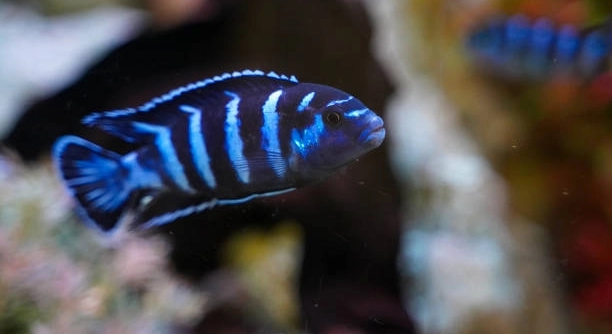
Is your cichlid acting differently around its eggs or fry? Many fish owners notice unique behaviors that hint at special care methods used by their fish. Mouthbrooding is a common and fascinating reproductive strategy in some cichlid species.
Mouthbrooding cichlids protect their young by carrying eggs or fry inside their mouths for incubation and safety. This behavior can be identified by a swollen or bulging mouth, reduced feeding, and frequent hiding or guarding near the nest.
Recognizing these signs can help you better understand your fish’s needs and provide proper care for your mouthbrooding cichlid’s health and safety.
Signs Your Cichlid Is Mouthbrooding
Mouthbrooding cichlids show some clear signs when they are protecting their young. One of the most obvious signs is a swollen or bulging mouth, as the fish carries eggs or fry inside. You might notice your cichlid eating less or stopping eating altogether during this time. The fish often becomes more cautious and stays near its usual hiding spots, guarding the area around the nest. Sometimes, the cichlid may appear more aggressive toward other fish, trying to protect its offspring. Observing these behaviors closely will give you good clues about whether your cichlid is mouthbrooding. It is important to avoid stressing the fish at this stage since they are focused on keeping their young safe.
Mouthbrooding cichlids often stay hidden for several weeks until the fry are ready to swim on their own.
Understanding these signs helps in providing a calm and safe environment for your fish. Knowing when to adjust feeding or tank conditions can make a big difference in supporting your cichlid’s natural behavior.
Caring for Mouthbrooding Cichlids
When your cichlid starts mouthbrooding, changes in its care routine are necessary. Keep the tank quiet and avoid sudden movements around the aquarium to reduce stress. It is best to separate aggressive tank mates or provide plenty of hiding spaces. Feeding should be adjusted since mouthbrooding fish may eat less or stop eating entirely. Providing high-quality, easily digestible food can help maintain the fish’s strength during this demanding period. Water quality is especially important because stress and poor conditions can harm both the parent and the fry. Regular water changes and stable temperature will support healthy mouthbrooding. Observing the fish closely will help you notice when the fry begin to swim freely, signaling the end of mouthbrooding. After this, normal feeding and tank conditions can be gradually restored. Taking these steps will improve your cichlid’s chances of successfully raising its young.
Common Mouthbrooding Cichlid Species
Many popular cichlids are known for mouthbrooding. These include African species like the Mbuna and Haplochromis, as well as South American cichlids like the Apistogramma. Each species shows slight variations in how long and how they protect their young, but the general behavior is the same.
Mouthbrooding species often require specific care during breeding periods. African mouthbrooders tend to be more aggressive and territorial when guarding their fry. South American types may hide their fry in plants or caves after releasing them. Knowing your cichlid’s species helps in understanding its unique breeding and protective habits. Watching for the signs mentioned earlier will guide you in giving the right support.
Some species may also mouthbrood only the eggs or sometimes both eggs and fry. Observing closely helps in identifying which stage your cichlid is protecting.
Feeding Mouthbrooding Cichlids
Feeding mouthbrooding cichlids can be challenging since they often eat less during this period. It is important to offer high-quality, nutrient-rich food to help maintain their strength.
Feeding should be small but frequent if your cichlid accepts food. Using easily digestible foods like softened pellets, baby brine shrimp, or finely crushed flakes can encourage eating. Avoid overfeeding to prevent water quality issues, as uneaten food can pollute the tank. If your cichlid refuses food, don’t force it; this behavior is common while protecting the young. Instead, focus on maintaining excellent water conditions and reducing stress factors. Once the mouthbrooding stage ends, you can slowly return to a regular feeding schedule.
Supporting your fish with the right diet during this time will improve the survival chances of both the parent and its fry.
How Long Does Mouthbrooding Last?
Mouthbrooding usually lasts between two to four weeks, depending on the species and water conditions. During this time, the parent carries the eggs and fry inside its mouth for protection and incubation.
The exact length can vary, but most cichlids release their young once they are strong enough to swim and feed on their own.
Tank Setup for Mouthbrooding Cichlids
A well-planned tank helps mouthbrooding cichlids feel secure. Provide plenty of hiding places like rocks, plants, or caves. This reduces stress and aggression, making it easier for the parent to protect its young. Keep the water clean and stable in temperature to support healthy development.
Handling Fry After Mouthbrooding
Once the fry are released, they need a safe space to grow. Avoid adding aggressive fish and feed small, nutritious foods to support their growth. Regular tank maintenance remains important to keep the environment healthy for both fry and adults.
FAQ
How can I tell if my cichlid is mouthbrooding or just resting?
Mouthbrooding cichlids usually have a noticeably swollen mouth, as they carry eggs or fry inside. They often eat less or stop eating and become more protective of their territory. Resting fish tend to behave calmly without these physical signs or guarding behavior.
Is it normal for a mouthbrooding cichlid to stop eating?
Yes, it is common for mouthbrooding cichlids to reduce or stop eating while protecting their young. Their priority shifts to guarding and incubating eggs or fry. You should offer nutritious food in small amounts, but don’t worry if they refuse to eat during this time.
Should I separate the mouthbrooding cichlid from other fish?
Separating the mouthbrooding parent is helpful if other tank mates are aggressive or might stress the fish. If the tank is large with plenty of hiding spaces, separation might not be necessary. Always watch closely for signs of stress or attacks.
How often do mouthbrooding cichlids reproduce?
Frequency varies by species and environment. Some cichlids breed multiple times a year, while others take longer breaks. Providing good water quality, proper diet, and a stress-free environment encourages healthier, more frequent breeding.
Can I remove the fry from the parent to raise them separately?
It’s possible but requires care. Removing fry too early can harm their survival chances. Only separate fry once they are free-swimming and able to eat on their own. Use a separate nursery tank with gentle filtration and proper food.
What food is best for mouthbrooding cichlids?
Offer high-quality foods like softened pellets, frozen or live brine shrimp, and finely crushed flakes. These are easier to digest and provide essential nutrients. Avoid overfeeding to keep water clean and reduce stress on the parent fish.
How long should I wait to return to a normal feeding schedule after mouthbrooding?
Wait until the fry are fully released and the parent starts eating regularly again. This can take from two to four weeks. Gradually increase feeding amounts as the parent regains strength and activity.
Does mouthbrooding affect the health of the parent fish?
Mouthbrooding is demanding and can weaken the parent, especially if it stops eating. Proper care, diet, and stress reduction help maintain the parent’s health. Watch for signs of illness or weight loss and adjust care as needed.
Can all cichlids mouthbrood?
No, only certain species mouthbrood. Many cichlids lay eggs and guard them outside their mouths. Knowing your species helps identify the correct breeding behavior and care requirements.
What should I do if my mouthbrooding cichlid seems aggressive?
Aggression during mouthbrooding is natural as the parent defends its young. Provide hiding places for other fish and reduce disturbances. If aggression is extreme, consider separating the mouthbrooder until the fry are released.
How important is water quality during mouthbrooding?
Water quality is very important. Poor water can stress the parent and harm the eggs or fry. Perform regular water changes, keep ammonia and nitrites at zero, and maintain stable temperature and pH.
Will the fry survive if the parent loses the eggs?
If eggs are lost or eaten, the fry won’t survive without proper care. Sometimes parents consume eggs due to stress or illness. In such cases, using artificial breeding methods or raising fry separately may be necessary.
Can I add plants to the tank during mouthbrooding?
Yes, plants provide shelter and reduce stress for both the parent and fry. Live plants also improve water quality by absorbing nitrates. Choose hardy plants that can tolerate your tank’s conditions.
How do I know when the fry are ready to leave the parent’s mouth?
Fry become more active and start swimming independently. The parent will begin to open its mouth more frequently and allow fry to explore nearby. At this stage, the fry need extra food and protection.
Are there any signs that mouthbrooding is not going well?
Signs include the parent showing signs of illness, refusing to eat long after releasing fry, or losing weight rapidly. Eggs or fry disappearing suddenly can also indicate problems. In such cases, review tank conditions and consult care guides or experts.
Can mouthbrooding cichlids be kept in community tanks?
It depends on the species and tank mates. Some mouthbrooders are too aggressive or protective to live peacefully with others. Providing enough space and hiding spots can help, but monitor interactions carefully during breeding.
How do I encourage my cichlid to mouthbrood?
Provide good water quality, stable temperature, and a proper diet. Offer flat rocks or caves for egg-laying. Minimize disturbances and stress in the tank. Observing compatible pairs and giving them space will improve chances of successful mouthbrooding.
Is mouthbrooding a behavior only seen in aquariums?
No, mouthbrooding occurs naturally in the wild among many cichlid species. It is an evolutionary strategy to protect young from predators and harsh environments.
What is the difference between maternal and paternal mouthbrooding?
In maternal mouthbrooding, the female carries the eggs and fry, while in paternal mouthbrooding, the male takes this role. Some species even share the task. Knowing which applies helps in understanding your cichlid’s behavior.
Can stress cause a mouthbrooding cichlid to abandon its eggs or fry?
Yes, stress from poor water quality, aggressive tank mates, or frequent disturbances can lead to abandonment. Reducing stress factors and providing a calm environment is essential for successful mouthbrooding.
How do I know if my mouthbrooding cichlid is ready to breed again?
After releasing the fry, the parent usually rests and recovers. Signs include returning appetite, regaining body condition, and normal behavior. Breeding again too soon can weaken the fish, so allow proper recovery time.
Mouthbrooding is a fascinating behavior that many cichlid species show when raising their young. It involves the parent carrying eggs or fry inside their mouth for protection and care. This process helps improve the survival chances of the offspring by keeping them safe from predators and harmful conditions. While it might seem strange at first, this natural behavior is common among various cichlid types, and understanding it helps you better care for your fish. Knowing the signs of mouthbrooding, such as a swollen mouth and reduced feeding, allows you to give your cichlid the right environment and support during this important time.
Caring for a mouthbrooding cichlid requires some attention to detail. It’s important to maintain clean water and stable tank conditions, as stress can harm both the parent and the young. Feeding should be adjusted because the parent may eat less or stop eating while protecting its fry. Providing high-quality, easy-to-digest food helps the fish stay healthy. Also, creating plenty of hiding spaces with plants, rocks, or caves gives the fish a sense of security and reduces aggression in the tank. These steps improve the chances that the fry will survive and grow strong after they are released.
Patience is key when dealing with mouthbrooding cichlids. The process can last several weeks, and the parent fish needs time to recover afterward. It’s normal for the cichlid to be more protective and even aggressive during this period, so minimizing stress and tank disturbances is helpful. Watching your fish carefully and adjusting care based on its behavior makes a big difference. With the right care, mouthbrooding cichlids can successfully raise their young, adding an interesting and rewarding aspect to keeping these beautiful fish. This natural process reminds us how special and varied life in the aquarium can be.

Hello,
If you enjoy the content that we create, please consider saying a "Thank You!" by leaving a tip.
Every little bit helps us continue crafting quality advice that supports the health, happiness, and well-being of pets around the world, for pets of all shapes, sizes, and species.
We really appreciate the kindness and support that you show us!