
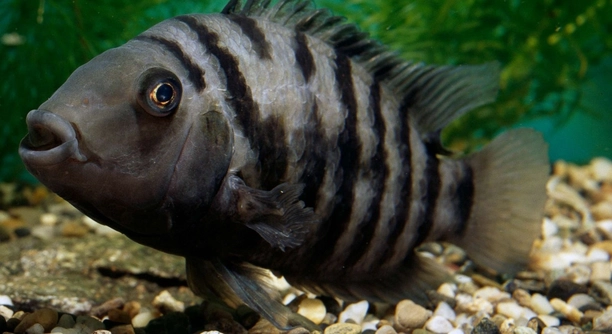
African cichlids are popular aquarium fish known for their vibrant colors and lively behavior. Many hobbyists notice these fish seem to respond well to regular feeding times. Their natural intelligence often leads to questions about how much they can learn.
African cichlids are capable of learning routines through repeated exposure to consistent stimuli. Studies show they can recognize feeding times and specific cues, demonstrating memory and behavior adaptation in controlled environments. This ability helps them anticipate daily events.
Understanding how these fish learn routines can improve their care and interaction in home aquariums. Exploring their behavior gives insight into their needs and enriches the aquarium experience.
How African Cichlids Learn Routines
African cichlids learn routines mainly through repetition and consistent cues. When fish are fed at the same time each day, they begin to recognize this pattern. Over time, they associate certain signals—like the sound of the aquarium filter or the approach of a person—with feeding. This association helps them anticipate what is coming next. In addition to feeding, these fish can learn other daily activities, such as swimming to certain areas or reacting to environmental changes. Their brains process information in ways similar to other animals that rely on routine for survival. This learning helps reduce stress and increases comfort in their environment, making them more active and responsive. Fishkeepers often notice cichlids waiting near the surface at feeding time or following their usual swimming paths. The ability to learn routines shows how adaptable and intelligent these fish really are.
Their learning is a gradual process that requires patience and consistency from their caretaker.
Repetition strengthens their memory and helps them feel secure. When routines are irregular, cichlids can become confused or stressed. Keeping a stable schedule supports their health and behavior, making aquarium care more rewarding for both fish and owner.
Benefits of Routine for African Cichlids
Routines improve the overall well-being of African cichlids. They create a predictable environment, which lowers stress and encourages natural behaviors.
Fish with consistent routines show better appetite and are less likely to hide or act aggressively. Regular feeding times help regulate their metabolism and growth, promoting healthier fish. When cichlids expect their environment to stay the same, they focus more on exploring and interacting rather than being on alert. This reduces fighting among tank mates and increases social behavior. A stable routine also allows owners to notice any changes in fish health early. When behavior shifts suddenly, it can be a sign of illness or poor water quality. By maintaining a schedule, you create a calm setting that benefits the fish’s mind and body, making their care simpler and more enjoyable.
Training African Cichlids to Follow Routines
Consistency is key when training African cichlids to follow routines. Feeding them at the same time daily and using specific cues helps build their expectations and habits.
Using visual or auditory signals before feeding, like tapping the tank or turning on the light, can help fish connect these actions with mealtime. Over weeks, cichlids learn to respond to these signs, waiting near the feeding area. Patience is important, as learning speed varies by fish and environment. Avoid sudden changes to keep their routine clear. This kind of training strengthens the bond between fish and caretaker, making interactions smoother and more predictable.
Maintaining a calm environment during training helps reduce stress. Avoid distractions and loud noises that can confuse the fish. The clearer the signals, the faster cichlids will adapt to routines and respond positively.
Challenges in Establishing Routines
Some African cichlids may resist new routines, especially if their tank setup changes frequently. Stress and unfamiliar surroundings can make it harder for them to learn.
If routines are not consistent or cues are unclear, fish might become anxious or ignore training efforts. Overfeeding or irregular feeding times can also disrupt learning, as fish lose the motivation to follow signals. Sometimes, aggressive tank mates interfere with routine by creating disturbances. It helps to observe your fish closely and adjust the environment for calm and stability. Persistence and small adjustments can overcome these challenges, ensuring your cichlids benefit from a clear and steady routine.
Recognizing Routine Behavior in Cichlids
Routine behavior in African cichlids shows through their daily actions. They often swim to specific spots before feeding or respond to signals like lights or sounds.
These predictable behaviors indicate they remember and expect events. Watching for these signs helps you understand their learning progress and adjust care accordingly.
Role of Environment in Routine Learning
The environment plays a crucial role in how well cichlids learn routines. Stable water conditions, consistent lighting, and minimal disruptions support their ability to recognize patterns. When the tank environment remains steady, fish feel secure, making it easier to form habits. Sudden changes or poor water quality cause stress and interfere with learning. Creating a calm and reliable space encourages cichlids to focus on cues and build strong routine responses over time.
How Feeding Affects Routine Learning
Regular feeding times are essential for routine learning in African cichlids. Predictable feeding helps their brain associate cues with food, reinforcing habits.
Patience in Training African Cichlids
Training takes time and patience. Consistent care and gentle repetition help fish adapt to routines without stress.
FAQ
Can African cichlids really learn to recognize feeding times?
Yes, African cichlids can learn to recognize feeding times through repeated exposure to consistent schedules. When fed at the same time daily, they begin to anticipate food, often swimming to the surface or the feeding area shortly before mealtime. This learned behavior shows their ability to associate environmental cues with specific events.
How long does it take for cichlids to learn a routine?
The time varies depending on the fish and the environment but usually takes a few weeks of consistent feeding and signals. Patience and regularity are important. Sudden changes or irregular feeding can slow this learning process, so sticking to a stable routine helps them adapt faster.
What cues work best for training African cichlids?
Visual cues like turning on aquarium lights or tapping the glass gently are effective. Auditory cues, such as the sound of the food container or filter, can also help. The key is using the same signal before feeding so the fish begin to associate it with mealtime.
Can cichlids forget routines?
Yes, if the routine is disrupted for a long time, cichlids may forget. They rely on consistent repetition to reinforce their memory. If feeding times or cues change frequently, they can become confused and stop responding as expected.
Do all African cichlids learn routines equally well?
No, learning ability varies by species and individual fish. Some are quicker to adapt, while others may be more shy or less responsive. Tank conditions, stress levels, and social environment also influence how well they learn.
Will learning routines reduce aggressive behavior?
Routines can reduce stress, which may help lower aggression. When fish know what to expect, they are less anxious and more focused on normal behaviors like feeding and exploring. However, aggression can still occur due to territory or social hierarchy, so other tank management strategies are needed.
Is it necessary to train cichlids to routines?
While not required, training cichlids to routines improves their well-being. It creates a stable environment, reduces stress, and makes daily care easier. Recognizing feeding cues also makes interactions more enjoyable and predictable.
Can cichlids learn to perform tricks or respond to commands?
Some cichlids can learn simple tricks, like swimming through hoops or following a target. This requires patience and positive reinforcement, often involving food rewards. It shows their capacity for learning beyond basic routines but takes more time and effort.
What happens if feeding times are inconsistent?
Inconsistent feeding can confuse cichlids and cause stress. They may become more aggressive or hide more often. Irregular meals can also affect their health and growth. Keeping a regular schedule is important for their physical and mental health.
How can I tell if my cichlids are stressed by routine changes?
Signs of stress include hiding, loss of appetite, unusual aggression, or sluggish movement. If you notice these behaviors after changing routines or the environment, try to return to a stable schedule and calm surroundings as soon as possible.
Are there special considerations for young versus adult cichlids when learning routines?
Younger cichlids may take longer to learn routines as they are still developing and adjusting to their environment. Adults tend to learn faster but can still be sensitive to changes. Both require consistent signals and feeding schedules to build habits effectively.
Can the tank setup affect how well cichlids learn routines?
Yes, a well-organized tank with clear feeding areas and minimal stressors helps fish focus on learning routines. Crowded or noisy tanks make it harder for cichlids to notice cues. Maintaining water quality and stable conditions supports their learning and overall health.
Is it harmful to train cichlids with too many signals or changes?
Using too many different signals or frequently changing routines can confuse fish and increase stress. Keep training simple and consistent. Gradually introduce new cues if needed, and always pair signals with positive outcomes like feeding.
How does routine learning improve aquarium care?
When cichlids learn routines, feeding and maintenance become smoother. Fish are more predictable, reducing the chances of missed meals or overfeeding. It also helps detect health issues early, as sudden behavior changes stand out more clearly in a well-established routine.
What should I do if my cichlids don’t respond to training?
If they don’t respond, check for stressors like poor water quality, aggressive tank mates, or illness. Simplify the routine and use clearer, consistent signals. Give them time and avoid rushing the process. Some fish need more patience and stable conditions to learn.
African cichlids are more intelligent than many people expect. Their ability to learn routines shows they can remember and respond to regular patterns in their environment. This learning helps them feel more comfortable and less stressed in their tanks. When these fish know what to expect, they behave more naturally and are easier to care for. This is important for anyone who keeps African cichlids, whether new or experienced, because understanding their behavior can improve their health and happiness.
Creating a consistent routine for your cichlids is not difficult but does require patience. Feeding them at the same time every day and using simple signals can help them recognize these routines. Over time, they start to anticipate feeding and other daily events. This not only makes feeding easier but also builds a positive connection between the fish and their caretaker. The fish become more active and responsive, which makes watching and caring for them more enjoyable. It is important to remember that every fish learns at its own pace, so consistency and calm are key.
Finally, a stable environment supports routine learning and overall well-being. Keeping water conditions steady, avoiding sudden changes, and minimizing stressors will help your cichlids adapt faster. When routines are followed, fish feel secure and behave in ways that show good health. Observing their routine behaviors allows caretakers to notice any changes quickly, which can indicate if something is wrong. Overall, understanding and supporting routine learning in African cichlids creates a healthier, more peaceful aquarium experience for both fish and owner.

Hello,
If you enjoy the content that we create, please consider saying a "Thank You!" by leaving a tip.
Every little bit helps us continue crafting quality advice that supports the health, happiness, and well-being of pets around the world, for pets of all shapes, sizes, and species.
We really appreciate the kindness and support that you show us!