
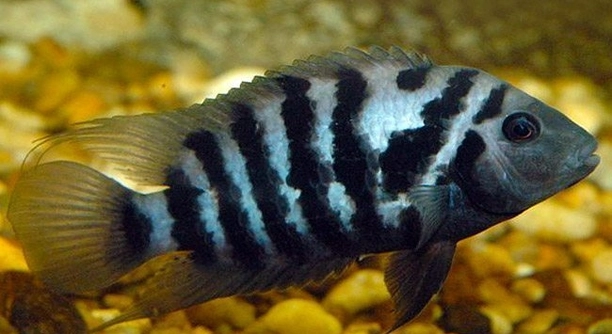
Are your African cichlids showing unusual behavior or looking less vibrant lately? Sometimes, these colorful fish can be affected by water that is too cold for their needs. Watching for the right signs can help keep them healthy.
African cichlids become stressed and vulnerable to illness when water temperature drops below their ideal range. Cold water slows their metabolism, weakens immune response, and causes changes in behavior and appearance that indicate discomfort and poor health.
Recognizing these signs early will help you provide a better environment and prevent serious problems for your cichlids. Knowing what to watch for is key to their wellbeing.
How Cold Water Affects African Cichlids
African cichlids come from warm waters, so cold temperatures can be tough on them. When their tank water gets too cold, their metabolism slows down. This means they eat less, move slower, and become less active. Cold water also weakens their immune system, making them more likely to get sick. You may notice their colors fading or fins clamping close to their bodies. Sometimes, they might even hide more than usual or stop interacting with other fish. Over time, these effects can lead to serious health problems if the water temperature isn’t corrected. Keeping the water in the right temperature range is very important for their overall health and happiness.
Cold water stress reduces cichlids’ ability to fight infections and affects their growth and behavior.
If you want your African cichlids to thrive, maintaining a stable temperature between 74°F and 82°F is essential. Sudden drops in temperature can shock them, so use a reliable heater and monitor the tank regularly. Small temperature fluctuations can cause long-term harm, so consistency matters. Additionally, avoid placing the tank near windows or air vents where cold drafts can affect the water. Watching their behavior daily helps catch any early warning signs. This way, you can adjust the environment before any health issues develop. Proper care with temperature control will ensure your cichlids stay lively and colorful for years.
Common Signs Your African Cichlid Is Too Cold
When African cichlids get too cold, they often show clear signs of discomfort. They might become lethargic, resting on the bottom of the tank more often than usual. Their colors can appear dull or faded, losing the bright hues they usually display. You may also notice a lack of appetite or slower swimming movements. Some fish cling to the heater or seek warmer areas in the tank. Fin clamping, where their fins stay tight against their bodies, is another common sign. These behaviors indicate the fish is struggling with low temperatures and needs warmer water to recover.
Look for dull colors, slow movement, clamped fins, and reduced appetite to spot cold stress.
If you spot these signs, it’s time to check your heater and water temperature immediately. Adjust the heater settings to bring the tank water back into the ideal range. It’s important to raise the temperature slowly to avoid shocking the fish. Sudden temperature changes can cause more stress and harm. Monitor your cichlids closely during this period for any changes. Along with temperature adjustments, ensure the water quality is good by doing regular water changes and testing for ammonia or nitrite levels. Good water quality combined with proper temperature will help your fish recover faster and stay healthy. Preventing cold stress starts with keeping a steady environment.
Changes in Swimming Behavior
When African cichlids are too cold, their swimming becomes slow and awkward. They may stay near the bottom or hover in one place for long periods. This is a sign their metabolism is sluggish due to the cold.
Slow swimming means the fish are using less energy, which happens when their bodies struggle to keep up in cold water. You might see them drifting with the current instead of actively swimming. Sometimes they seem to lose balance or have difficulty staying upright. These changes in movement indicate discomfort and distress caused by the low temperature.
Watching how your cichlids swim daily helps catch these subtle changes early. If you notice slower, unsteady swimming, it’s a good idea to check the tank temperature. Improving warmth will help restore their natural, energetic swimming style and support better health overall.
Loss of Appetite
A cold tank often causes African cichlids to lose interest in food. They might ignore feeding times or only eat a little. This reduced appetite can lead to weight loss and weakened health.
When the water is too cold, their digestion slows down, making them less hungry. Over time, not eating enough affects their energy and immune system. It’s important to address this quickly to prevent further health problems. Increasing the water temperature gradually usually helps the fish regain their appetite. You may also need to offer smaller meals more often until they recover.
If loss of appetite lasts for more than a few days, check other factors like water quality and stress. Sometimes illness or tank conditions can also cause eating problems, but cold water is a common and often overlooked cause.
Clamped Fins
Clamped fins happen when African cichlids keep their fins close to their bodies. This is a common sign they feel stressed or uncomfortable. Cold water often causes this behavior because the fish try to conserve energy.
Fins that stay tight instead of spreading out show the fish is not relaxed. It can also indicate poor water conditions or illness, but cold temperatures are a frequent cause.
Hiding More Often
African cichlids tend to hide more when they feel cold or stressed. You may notice them staying in caves or behind decorations instead of swimming openly. This behavior helps them feel safer in an uncomfortable environment.
When water is too cold, hiding increases because the fish want to avoid using energy. Watching their hiding habits can help detect temperature issues early.
Gasping at the Surface
Gasping at the surface means your cichlids are struggling to get enough oxygen. Cold water holds less oxygen, which can cause this behavior. It’s a serious sign that temperature or water quality needs immediate attention.
How cold is too cold for African cichlids?
African cichlids thrive best in water temperatures between 74°F and 82°F (23°C to 28°C). Temperatures below 72°F (22°C) can start to cause stress and health issues. Anything under 68°F (20°C) is generally too cold and can lead to serious problems, including slowed metabolism and weakened immune systems.
Why do African cichlids need warm water?
These fish originate from warm African lakes, so their bodies are adapted to stable, warm temperatures. Warm water helps them digest food properly, stay active, and maintain vibrant colors. Cold water slows their metabolism and makes them vulnerable to illness because their immune systems weaken.
What happens if my cichlids stay in cold water too long?
Long exposure to cold water causes stress, loss of appetite, and weakened immunity. This makes them more likely to catch diseases and parasites. It also slows their growth and can cause permanent damage to organs. If untreated, it may result in death.
How quickly should I warm up my tank if it’s too cold?
Increase the water temperature slowly, about 1 to 2 degrees Fahrenheit per day. Sudden temperature changes can shock your fish, which adds more stress. Use a reliable heater and thermometer to monitor progress carefully.
Can cold water cause diseases in African cichlids?
Yes. Cold water weakens the fish’s immune response, making it easier for infections like ich or fin rot to take hold. Keeping water temperature stable helps prevent many common illnesses.
What’s the best way to maintain a stable temperature?
Use a quality aquarium heater and a separate thermometer to monitor temperature daily. Avoid placing the tank near windows, air conditioners, or heaters that cause temperature fluctuations. Regularly check the heater’s function to avoid sudden drops.
Are there other signs of cold stress besides behavior changes?
Yes. Besides sluggish swimming and hiding, cold stress may cause pale or dull colors, clamped fins, and gasping at the surface. If you notice any of these, check the water temperature immediately.
Can I use a thermometer to check if my fish is too cold?
A thermometer only tells you the water temperature, not the fish’s condition directly. However, it is essential to keep the tank within the right temperature range. Combine this with observing your fish’s behavior for the best care.
What should I do if my cichlids stop eating due to cold water?
First, slowly raise the tank temperature to the correct range. Then offer smaller, more frequent meals to encourage eating. Monitor their condition closely, and make sure water quality is good.
Is it okay if the water temperature fluctuates a little?
Small daily fluctuations (1-2 degrees) are usually okay, but big or rapid changes stress fish. Consistency is key to keeping African cichlids healthy and comfortable.
Can cold water affect breeding in African cichlids?
Yes, cold water can disrupt breeding behaviors and reduce fertility. Keeping the water warm and stable encourages natural mating and healthy fry development.
What equipment do I need to prevent cold stress?
A reliable heater with a built-in thermostat is essential. Use a separate, accurate thermometer to double-check temperature. Consider a backup heater if your area has power outages or cold drafts near the tank.
Can cold water cause my cichlids to hide all the time?
Yes, increased hiding often means the fish feel stressed or unwell. Cold water makes them conserve energy and seek shelter more than usual. If hiding becomes constant, check the temperature and tank conditions.
Is it normal for African cichlids to gasp at the surface?
No, gasping indicates low oxygen levels or poor water quality, often linked to cold temperatures. It’s a sign you need to fix the temperature and check filtration and aeration.
How often should I check the water temperature?
Daily checks are best, especially if you don’t have a heater with an automatic thermostat. Regular monitoring helps catch problems early before they harm your fish.
Can sudden drops in temperature happen without me noticing?
Yes, if your heater fails or the tank is near drafts, the water can cool quickly. Frequent monitoring and a backup heater can help prevent this.
Will my cichlids recover after being in cold water?
If the temperature is corrected quickly and no serious illness develops, most cichlids recover well. Recovery depends on how long they were exposed and their overall health.
What should I avoid doing when correcting cold water problems?
Don’t raise the temperature too fast or stress the fish by sudden changes. Avoid overfeeding while they’re weak. Never ignore water quality, as poor conditions make recovery harder.
Can other fish tolerate colder water better than African cichlids?
Yes, some species prefer cooler water, but African cichlids specifically need warmer temperatures. Mixing fish with different temperature needs can cause stress for some species.
Are tank decorations or plants affected by temperature changes?
Yes, some plants and decorations can be sensitive to cold or rapid temperature changes. Stable conditions help keep the whole tank environment healthy.
What’s the best way to warm a tank without stressing the fish?
Use a heater with a thermostat and raise the temperature gradually. Avoid using heat sources like lamps or hot water that can cause uneven heating or sudden changes.
How can I tell if my heater is working properly?
Check the thermometer regularly. If temperatures drop or fluctuate widely, the heater may be faulty. Inspect it for damage or signs of wear and replace it if needed.
Is it necessary to do water changes when fixing cold temperature issues?
Yes, regular water changes improve water quality and help reduce stress. Cold water and poor conditions together increase risks of illness, so keeping the water clean is important.
Can temperature affect the social behavior of African cichlids?
Yes, cold stress can make them less active and more aggressive or withdrawn. Proper warmth helps maintain normal interactions and reduces fighting.
Are certain African cichlid species more sensitive to cold?
Some species are slightly more tolerant, but generally, all African cichlids prefer warm, stable water. It’s safest to keep all species within the ideal temperature range.
African cichlids need warm and stable water temperatures to stay healthy and active. When the water gets too cold, these fish can show many signs of stress, like slow swimming, hiding, clamped fins, or loss of appetite. Cold water slows their metabolism and weakens their immune systems, making them more likely to get sick. Paying attention to their behavior can help you notice if the water temperature is not right. Early detection means you can fix the problem before it causes serious health issues.
Keeping the tank temperature steady is very important for your cichlids’ wellbeing. Using a good heater with a thermostat and checking the temperature regularly can help prevent cold stress. Sudden drops in temperature or big changes are harmful, so try to keep the environment consistent. Also, avoid placing the aquarium near windows, air conditioners, or vents where cold air could reach the water. Making small, careful adjustments when raising the temperature is best to avoid shocking the fish.
If you notice your cichlids acting differently or showing signs of being too cold, act quickly. Slowly raise the water temperature to their ideal range and watch their behavior closely. Maintaining good water quality with regular cleaning and water changes also supports their recovery and overall health. Remember that a warm, stable tank environment helps your African cichlids live longer and stay vibrant. Taking these steps shows that small changes in care can make a big difference in their happiness and health.

Hello,
If you enjoy the content that we create, please consider saying a "Thank You!" by leaving a tip.
Every little bit helps us continue crafting quality advice that supports the health, happiness, and well-being of pets around the world, for pets of all shapes, sizes, and species.
We really appreciate the kindness and support that you show us!