
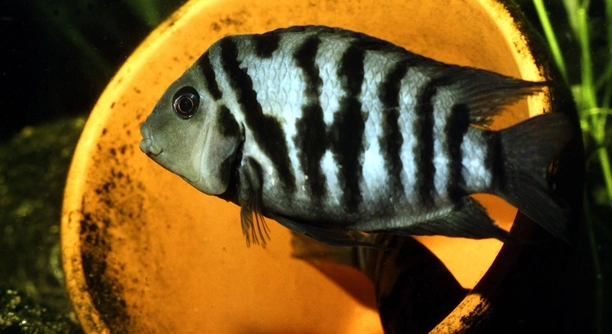
Many cichlid owners notice their fish rubbing against rocks or other surfaces in the tank. This behavior can seem unusual or concerning at first. Understanding why cichlids do this is important for maintaining their health and comfort.
Cichlids rubbing on rocks often indicates irritation caused by parasites, skin infections, or poor water conditions. It can also be a sign of spawning behavior, territorial disputes, or simply a way to relieve itchiness or remove dead skin.
Recognizing these reasons will help you care for your cichlid properly. Knowing what causes this behavior can prevent further problems and promote a healthier environment.
Parasites and Skin Irritations
Parasites are a common cause for cichlids rubbing against rocks. These tiny invaders attach to the fish’s skin, causing discomfort and itching. When a cichlid feels irritated, it may rub against hard surfaces to try to relieve the itch. Skin infections or wounds can also prompt this behavior. Poor water quality often worsens these problems, making it easier for parasites or bacteria to thrive. Checking water parameters regularly helps prevent infections and keeps your cichlid healthy. If you notice excessive rubbing, it’s important to inspect your fish closely for signs of parasites or injury. Early treatment can stop the condition from getting worse and reduce stress on your fish.
Rubbing is often the first visible sign of irritation caused by parasites or infections. Timely care is crucial to avoid more serious health issues.
Keeping the tank clean and maintaining proper water conditions will reduce the risk of skin problems. Treatment options include medicated baths or specific anti-parasitic medications. Consult a specialist if you are unsure. Regular observation and prompt action will ensure your cichlid remains comfortable and healthy.
Spawning Behavior and Territoriality
Cichlids sometimes rub on rocks during spawning or when defending their territory. This behavior is part of their natural instincts and signals breeding readiness or dominance. Rubbing can help clean the area or prepare a surface for laying eggs. Territorial disputes between cichlids may also lead to rubbing as a sign of stress or agitation. Understanding these behaviors helps you recognize normal actions versus signs of illness. Offering plenty of hiding spots and space can reduce stress during these times. Observing your fish during these episodes will reveal patterns linked to their breeding or social interactions. This knowledge helps maintain a balanced and peaceful tank environment.
Poor Water Quality
Poor water quality can irritate your cichlid’s skin, causing it to rub against rocks. High levels of ammonia, nitrites, or nitrates make the tank environment uncomfortable and harmful.
Maintaining clean water is essential for your fish’s health. Regular water changes and testing keep harmful chemicals low. Dirty tanks can cause stress and weaken the immune system, making your cichlid more prone to infections. Filtration systems help, but they must be properly maintained. Make sure to remove uneaten food and waste, as these contribute to poor water conditions. Monitoring temperature and pH is equally important to keep your cichlid comfortable. If you notice your fish rubbing more frequently, check water quality first, as this is often the main cause.
Using water conditioners can neutralize harmful chemicals and promote healing. Keeping your tank stable reduces stress and prevents skin irritation that leads to rubbing behavior.
Parasite Infestations
Parasites such as ich or flukes cause itching, making cichlids rub on rough surfaces. These parasites attach to the fish and feed on their skin or mucus.
Parasite infestations spread quickly in tanks with poor hygiene or when new fish are introduced without quarantine. Symptoms include flashing (rubbing), rapid breathing, and visible spots or sores. Treatments include medicated baths and adding specific medications to the water. Early detection is critical because parasites can cause severe damage or death if untreated. Keeping the tank clean and quarantining new fish helps prevent parasite outbreaks. Observing your fish daily lets you catch infestations early and treat them effectively.
Regular parasite control and tank maintenance protect your cichlids from discomfort and serious health risks caused by these unwanted guests.
Physical Injuries
Cichlids may rub on rocks if they have cuts or scrapes. These injuries cause discomfort, prompting the fish to try to ease the irritation.
Sharp decorations or aggressive tank mates can cause these injuries. Inspect the tank for hazards and remove anything that might harm your fish.
Stress and Anxiety
Stress from overcrowding, poor water quality, or aggressive tank mates can cause cichlids to rub on rocks. Stress weakens their immune system, making them more vulnerable to disease and irritation. Keeping a stable environment and appropriate tank mates reduces stress. Proper tank size and hiding spots help cichlids feel safe.
Parasite Removal Through Rubbing
Rubbing on rocks helps cichlids remove external parasites or dead skin. This natural behavior can be frequent if parasites are present. Providing smooth, clean surfaces allows fish to manage their irritation safely.
Spawning Preparation
During spawning, cichlids may rub on rocks to clean or prepare surfaces for eggs. This is normal behavior linked to reproduction.
FAQ
Why is my cichlid rubbing on rocks constantly?
Constant rubbing usually means your cichlid is irritated, often due to parasites, skin infections, or poor water quality. It might also be stressed or injured. Check your tank conditions and examine your fish closely for any visible signs of disease or injury. Proper care and treatment can reduce this behavior.
Can rubbing damage my cichlid’s skin?
Yes, excessive rubbing can cause cuts, abrasions, or worsen existing wounds. While rubbing helps relieve irritation, it can also lead to infections if the skin is broken. It’s important to identify and fix the cause of rubbing to prevent further harm.
How can I tell if parasites are causing the rubbing?
Look for other signs like white spots, rapid breathing, or lethargy. Parasites often cause flashing—where the fish rubs or scrapes itself repeatedly. If these signs appear, treat your tank with appropriate medications and improve hygiene.
Is poor water quality a common reason for this behavior?
Yes, poor water quality is a frequent cause of irritation. High ammonia or nitrite levels can stress your fish and cause skin problems. Regular water testing and maintenance are essential to keep water safe and comfortable.
What should I do if my cichlid is rubbing because of stress?
Identify stressors like overcrowding, aggressive tank mates, or improper tank setup. Providing hiding spots, keeping the tank clean, and maintaining stable conditions help reduce stress and rubbing behavior.
Does rubbing mean my cichlid is sick?
Rubbing can be a sign of illness but is not always one. It often indicates discomfort that could be due to parasites, injury, or poor water conditions. Careful observation and timely action can help prevent illness from worsening.
Can rubbing be part of normal behavior?
Yes, rubbing can be normal during spawning or territorial activities. Fish sometimes rub to clean surfaces or mark territory. Observe if rubbing happens alongside other normal behaviors, and ensure the tank conditions are good.
How do I treat my cichlid if parasites are the cause?
Use medications designed for the specific parasite, such as ich treatment or anti-fluke medicines. Quarantine new fish to prevent infestations. Regular cleaning and avoiding overcrowding also reduce parasite risk.
Will rubbing stop once water quality improves?
Usually, yes. Improving water quality reduces irritation, so your cichlid should stop rubbing as it feels better. Be patient; it may take a few days for behavior to normalize after conditions improve.
Can diet affect rubbing behavior?
Poor diet can weaken a cichlid’s immune system, making it more prone to infections and irritation. Feeding a balanced diet with proper nutrients supports overall health and can reduce rubbing caused by skin problems.
Final Thoughts
Understanding why your cichlid rubs on rocks is important for maintaining its health and comfort. This behavior often signals that something is bothering your fish, whether it is irritation from parasites, skin infections, stress, or environmental issues. Paying close attention to these signs helps you address problems early, which can prevent more serious health concerns. Regular monitoring of your tank’s water quality, cleanliness, and overall conditions will keep your cichlid in a stable and comfortable environment. When the fish feel safe and healthy, they are less likely to engage in excessive rubbing.
It is also important to consider natural behaviors, such as rubbing during spawning or territorial displays. These actions are normal and part of how cichlids interact with their surroundings and other fish. Distinguishing between normal and problematic rubbing can be challenging but is essential for proper care. Injuries or stress caused by tank mates or unsuitable tank decorations can also lead to rubbing. Ensuring that the tank setup is appropriate and that your cichlid is not being bullied by others will reduce unnecessary stress and prevent physical harm. A well-maintained environment with enough space and hiding spots supports your fish’s wellbeing.
Taking quick action when rubbing is noticed will improve your cichlid’s health and reduce discomfort. Simple steps such as cleaning the tank, testing water parameters, and treating parasites can make a big difference. Providing a balanced diet also supports your fish’s immune system, helping it fight off infections and stay strong. Being observant and proactive in your care routine creates a safe space for your cichlid to thrive. With attention to these factors, rubbing behavior will often decrease, allowing your fish to live more comfortably and happily in its home.

Hello,
If you enjoy the content that we create, please consider saying a "Thank You!" by leaving a tip.
Every little bit helps us continue crafting quality advice that supports the health, happiness, and well-being of pets around the world, for pets of all shapes, sizes, and species.
We really appreciate the kindness and support that you show us!