
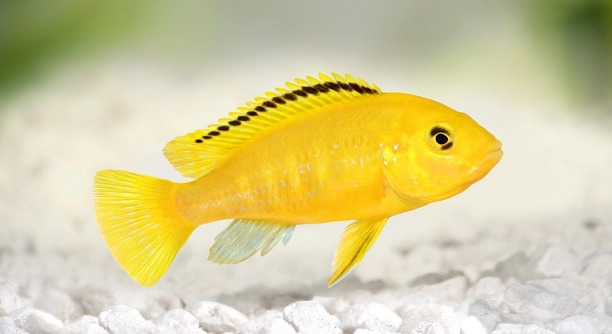
African cichlids are popular aquarium fish known for their bright colors and lively behavior. Many hobbyists enjoy keeping multiple species together, hoping to create a vibrant and active tank environment. Understanding the basics of mixing these species is important.
Yes, African cichlid species can be mixed in the same aquarium, but careful consideration of their temperament, size, and environmental needs is essential. Incompatible combinations may lead to aggression and stress, affecting the health and well-being of the fish.
Proper planning and knowledge about the species you choose will help maintain a peaceful and healthy tank. This article explores key points to consider when mixing African cichlids in your aquarium.
Understanding African Cichlid Behavior
African cichlids come from diverse environments, and their behavior reflects that variety. Some species are very territorial, especially males during breeding times. Others are more peaceful and prefer to swim in groups. Knowing the natural behavior of each species helps prevent conflicts in a shared tank. Aggression usually arises when fish feel their space is threatened, or when hiding spots are limited. Providing enough territory and visual barriers can reduce tension. It is also important to consider the size differences between species, as larger fish can bully smaller ones. Proper tank setup with rocks and plants mimics their natural habitat, giving them places to claim as their own. Observing the fish regularly can help you catch early signs of stress or aggression before it becomes serious. Balancing species that have compatible behaviors and temperaments is key to a peaceful aquarium.
African cichlids vary widely in temperament and territorial needs, making research essential before mixing species.
Careful observation and adjusting the environment are necessary to maintain harmony. Tank size, hiding spots, and compatible species reduce aggression risks. Keeping a balanced group helps all fish thrive together.
Choosing Compatible Species
When mixing African cichlids, focus on species from similar regions or habitats. Fish from the same lake or environment tend to have similar needs and behaviors, which lowers the chance of conflict. For example, cichlids from Lake Malawi usually get along better with others from the same lake than with species from Lake Tanganyika. Additionally, matching fish sizes helps reduce bullying, as smaller fish might be stressed or harmed by larger aggressive species. It is best to avoid combining highly aggressive species with peaceful ones. Introducing fish slowly and in groups also helps establish a natural social hierarchy without overwhelming individuals. Keeping the number of males limited can decrease territorial fights, as males often compete for dominance. Proper feeding routines and maintaining water quality contribute to a calm and healthy environment where mixed species can coexist peacefully.
Selecting species with shared traits and compatible temperaments makes tank management easier and more successful.
Setting Up the Right Environment
A properly set tank reduces aggression among African cichlids. Rocks and caves create hiding spots, breaking up lines of sight. This allows fish to claim separate territories and feel secure.
Spacing is key in avoiding constant territorial disputes. Providing enough room means each fish can establish a zone without feeling threatened. Regularly rearranging decorations can prevent long-term dominance of one area. Good water filtration and consistent water conditions help keep stress low, promoting natural behavior. Lighting should mimic their natural habitat, neither too bright nor too dim. Plants that tolerate cichlid activity can add cover and help absorb nitrates. A tank size of at least 55 gallons is usually recommended for mixed species to give them adequate space. Remember that environment management plays a major role in maintaining peace and health in a mixed African cichlid aquarium.
Feeding Mixed African Cichlids
Feeding mixed species requires balance to meet different dietary needs. African cichlids mostly eat flakes, pellets, and occasional live or frozen foods. Feeding several small portions throughout the day helps reduce competition and stress during feeding times.
Different species may have specific dietary preferences, so including a variety of food types ensures all fish get the nutrients they need. Avoid overfeeding to prevent water quality issues and obesity in the fish. Using feeding rings or designated feeding zones can help target food to shy or smaller fish. Watching their feeding behavior also offers clues to their health and well-being. Proper nutrition supports their color, energy levels, and resistance to disease, making feeding an important part of tank care.
Monitoring Fish Health and Behavior
Regular observation is essential for mixed African cichlids. Watch for signs of stress such as hiding, loss of appetite, or unusual swimming patterns. Early detection of illness or aggression can prevent serious problems.
Maintaining good water quality with regular testing and changes supports overall health. Poor water conditions often lead to infections and weaken fish defenses. Quarantining new fish before adding them to the main tank reduces the risk of introducing disease. Noticing shifts in behavior helps adjust tank setup or species combinations. Prompt action at the first sign of trouble keeps the community balanced and thriving.
Keeping a close eye on your cichlids allows timely intervention, preserving the tank’s harmony and the fish’s well-being.
Managing Aggression in the Tank
Aggression is common among African cichlids but can be controlled. Providing enough hiding spots reduces fights.
Limiting the number of males helps lower territorial disputes. Grouping similar species also prevents stress caused by constant conflict.
Signs of Incompatible Species
Incompatible species often show frequent chasing and biting. Constant hiding or injuries are clear signs of trouble.
When aggression escalates, consider separating fish or redesigning the tank. Early action prevents long-term harm to your fish.
Breeding Considerations
Breeding African cichlids in a mixed tank can increase aggression. Males become highly territorial, especially near females or fry. Protecting young requires extra care and separate breeding areas when possible. Planning for breeding helps maintain balance and prevents stress on other tank members.
Water Quality Essentials
Maintaining clean water is crucial. Regular testing and partial water changes keep conditions stable and healthy for all species.
FAQ
Can I mix any African cichlid species together?
Not all African cichlid species mix well. It’s best to choose species with similar temperaments and from the same lake or environment. Mixing highly aggressive species with peaceful ones often leads to stress and injury. Researching each species’ behavior helps avoid problems.
What tank size do I need for mixed African cichlids?
A larger tank is essential to reduce aggression. At least 55 gallons is recommended, but bigger is better when housing multiple species. More space allows fish to establish territories and reduces the chance of constant fighting.
How many males should I keep in a mixed tank?
Limit the number of males to reduce territorial aggression. One male per species or a ratio of one male to several females works best. Too many males can cause constant fighting and stress.
How do I know if my cichlids are stressed?
Signs of stress include hiding, loss of appetite, faded colors, and erratic swimming. Stress often results from poor water conditions, aggression, or overcrowding. Regular observation helps catch these signs early.
Can I keep African cichlids with other types of fish?
African cichlids are generally aggressive and territorial, making them poor tank mates for peaceful or smaller fish. If mixing is necessary, choose species that can hold their own and have similar environmental needs.
What should I feed mixed African cichlids?
Feed a balanced diet including flakes, pellets, and occasional live or frozen foods. Offer several small meals throughout the day to reduce competition and ensure all fish get enough nutrition.
How do I reduce aggression in the tank?
Provide plenty of hiding places using rocks and caves. Limit the number of males and keep similar species together. Rearranging decorations periodically can also prevent long-term territorial dominance.
Is breeding possible in a mixed cichlid tank?
Breeding is possible but may increase aggression. Males become territorial during breeding and may attack others. Separate breeding tanks or protected areas help protect the fry and reduce stress on other fish.
How often should I change the water?
Partial water changes of 20-30% weekly help maintain good water quality. Clean water reduces disease risk and stress. Regular testing for ammonia, nitrites, and nitrates is also important.
What water conditions do African cichlids prefer?
They thrive in hard, alkaline water with a pH between 7.8 and 8.6. Temperature should be kept between 74°F and 82°F (23°C to 28°C). Stable water conditions support their health and natural behavior.
Can I introduce new fish to an established tank?
New fish should be quarantined before introduction to prevent disease. Introduce new fish slowly and monitor their interaction with existing fish. Adding several new fish at once can help spread aggression and prevent bullying.
How do I handle injuries from fights?
Isolate injured fish if possible to help healing. Clean the tank regularly to reduce infection risk. Improving tank setup with more hiding spots often reduces future injuries.
What plants work well in an African cichlid tank?
Many African cichlids dig and may uproot plants. Hardy plants like Anubias, Java fern, or plastic plants are better choices. Rocks and caves generally provide more effective shelter.
Are African cichlids good for beginners?
They can be challenging due to their aggressive behavior and specific water needs. Beginners should start with one species or closely related groups and focus on learning proper tank management before mixing species.
How can I tell if two species are compatible?
Research each species’ natural habitat, size, and behavior. Compatibility is higher among species from the same lake or environment. Consulting care guides or experienced hobbyists can provide helpful advice.
African cichlids are fascinating fish that bring vibrant colors and energy to an aquarium. Mixing different species can create an interesting and lively tank, but it requires careful planning and attention. Each species has its own behavior, temperament, and space needs. Understanding these differences helps reduce aggression and stress in the tank. Providing enough hiding spots and territory boundaries is essential. Proper tank size and setup also play a big role in creating a balanced environment where multiple species can coexist peacefully.
Feeding mixed African cichlids involves offering a varied diet that meets the nutritional needs of all species. Feeding several small meals during the day helps reduce competition and ensures that every fish gets enough food. Maintaining good water quality through regular water changes and monitoring is also critical to keep the fish healthy and stress-free. Aggression is a natural part of cichlid behavior, especially during breeding, but it can be managed with the right tank conditions and careful species selection. Limiting the number of males and grouping compatible species together lowers the chance of constant fighting and injury.
Successful mixed African cichlid tanks depend on careful research, observation, and adjustments over time. Watching fish behavior closely allows for early detection of problems like stress, disease, or aggression. Adjusting the tank environment or separating incompatible fish when needed helps keep the community stable. Mixing species is possible, but it is important to respect their natural tendencies and provide an environment that supports their well-being. With patience and care, a mixed African cichlid aquarium can be both beautiful and peaceful, offering enjoyment for the hobbyist and a healthy home for the fish.

Hello,
If you enjoy the content that we create, please consider saying a "Thank You!" by leaving a tip.
Every little bit helps us continue crafting quality advice that supports the health, happiness, and well-being of pets around the world, for pets of all shapes, sizes, and species.
We really appreciate the kindness and support that you show us!