
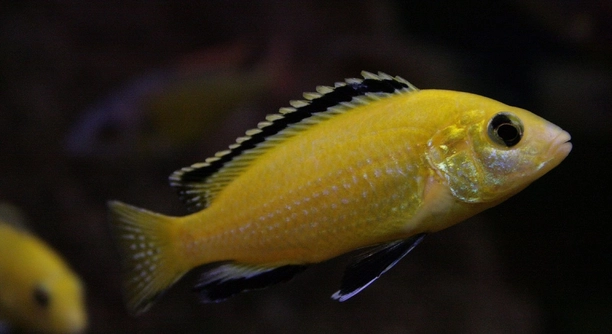
Creating a cichlid tank requires more than just adding water and fish. Establishing clear territories helps reduce aggression and promotes healthy behavior. Many hobbyists aim to balance the tank environment for both the fish and their own enjoyment.
Creating territories in a cichlid tank involves using natural decorations, such as rocks and plants, to define separate areas. This limits conflicts and allows fish to claim spaces, reducing stress and encouraging natural behaviors within the aquarium.
Understanding how to set up these territories will improve your tank’s harmony and overall fish health. This article will guide you through the basic steps to get started.
Choosing the Right Decorations
Selecting the right decorations is key to creating clear territories in a cichlid tank. Rocks, caves, and plants help define boundaries and provide hiding spots. Hardscape materials should be sturdy and non-toxic, as cichlids often rearrange their surroundings. Using a mix of tall and low elements creates varied spaces for different fish to claim. Avoid overcrowding the tank, since too many decorations can limit swimming room and cause stress. Keep in mind that some cichlids prefer open areas while others need shelter. Observing your fish’s behavior can guide your decoration choices. It’s important to replicate their natural environment as closely as possible, which helps maintain their health and reduces aggression. Remember, the goal is to create multiple distinct zones that fish can defend comfortably without constant confrontation.
Decorations not only shape territories but also support fish wellbeing and tank balance. Choose items that fit your tank size and fish species.
A well-thought-out arrangement encourages natural behaviors, improving your cichlids’ quality of life. Creating zones allows shy or smaller fish to find refuge while dominant fish have their own space. Rocks stacked to form caves or ledges offer places for resting and breeding. Plants provide cover and break sightlines, which can lower tension among fish. Avoid placing decorations too close to one another, as cramped spaces may increase fights. Keep pathways open for swimming and feeding. Over time, you may notice your fish establish preferred spots, which confirms successful territory formation. Adjust decorations as needed based on observations to maintain a peaceful tank environment.
Monitoring Fish Behavior
Monitoring your cichlids’ behavior regularly is essential for successful territory creation. Fish communicate through body language and territory defense, signaling if adjustments are needed.
Aggressive displays or constant chasing indicate overlapping territories or insufficient hiding places. Observing these signs early helps prevent injury or stress. Watch for fish that appear withdrawn or constantly on the move, as they may feel threatened or displaced. If necessary, rearranging decorations or increasing hiding spots can reduce conflicts. Maintaining water quality also supports calm behavior, so keep the tank clean and well-filtered. Balancing the number of fish with tank size plays a role, too. A crowded tank increases competition and stress. Taking time to learn each fish’s temperament and needs will help you create a peaceful environment where all can thrive.
Setting Up Boundaries
Using physical barriers like rocks and plants creates natural boundaries that help reduce fights. These boundaries give each fish a clear space to claim without constant disputes.
Arranging rocks to form separate caves or ledges encourages cichlids to stay within their own area. Plants and tall decorations break sightlines, preventing fish from seeing each other all the time, which lowers aggression. Avoid placing all decorations on one side of the tank; distribute them evenly to create multiple zones. It’s helpful to leave open swimming spaces between territories so fish can move freely without invading others’ areas. This balance of shelter and openness supports peaceful coexistence.
When boundaries are well defined, fish are less likely to compete aggressively. They can focus on establishing their own spots, which leads to calmer behavior overall. It also helps protect weaker or smaller fish by giving them places to hide and retreat if needed.
Adjusting Territories Over Time
Territories in a cichlid tank are not fixed; fish may shift boundaries as they grow or as tank dynamics change. It’s important to be flexible and adjust decorations when needed.
Regularly observe how your cichlids interact with the setup. If some fish become too dominant or others seem stressed, rearranging rocks or adding new plants can help balance territory sizes. Seasonal changes or tank maintenance may also affect territory shapes. Sometimes, removing or replacing decorations improves harmony. Remember that cichlids are territorial by nature, so minor skirmishes may still occur. The goal is to reduce constant fighting, not eliminate all conflict. Responding to these changes promptly keeps the environment stable and comfortable for all fish. This ongoing care ensures your tank remains a healthy habitat.
Importance of Space
Providing enough space is crucial for cichlids to establish their territories. Overcrowding leads to stress and aggressive behavior.
A larger tank allows for more distinct territories, giving each fish room to claim its own area and avoid constant competition.
Using Visual Barriers
Visual barriers like plants and rock formations help reduce aggression by limiting line of sight between fish. These barriers prevent constant confrontations and allow fish to feel secure in their territory.
Tank Size Recommendations
For most cichlid species, a minimum tank size of 30 gallons is recommended to provide sufficient space for territories. Larger tanks are preferred when housing multiple or more aggressive fish. Proper tank size helps maintain a balanced environment and reduces stress.
Feeding and Territory
Feeding areas should be separate from resting or breeding territories to prevent conflicts. Placing food in multiple spots can keep peace during feeding times.
FAQ
How do I know if my cichlids have established territories?
You can tell when cichlids have settled into territories by observing their behavior. Fish usually patrol specific areas and defend them from intruders. Signs include less chasing and more resting within certain zones. When fish show regular use of caves or plants, they likely claim those spaces as territory.
What should I do if two fish keep fighting over the same spot?
If fighting happens frequently, try rearranging the tank decorations to create clearer boundaries. Adding more hiding places or visual barriers can help. Sometimes, increasing tank size or reducing the number of fish also lowers competition. Monitor their behavior after changes to see if aggression decreases.
Can I use artificial decorations for territory building?
Yes, artificial rocks, caves, and plants can work well for defining territories, as long as they are safe and non-toxic. These decorations are often easier to clean and arrange. Just make sure they provide enough hiding spots and help break sightlines to reduce aggression.
How often should I rearrange decorations?
Rearranging should be done only when necessary, such as when aggression increases or fish seem stressed. Frequent changes can confuse fish and increase stress. Observe your tank regularly, and make small adjustments if you notice persistent fights or displaced fish.
Is it important to separate aggressive species?
Yes, mixing highly aggressive species with more peaceful cichlids can cause constant conflicts. Keeping similar temperaments together helps maintain stable territories. If you want different species, make sure the tank is large enough and has enough hiding spots to reduce fights.
How do water conditions affect territorial behavior?
Poor water quality can increase stress, making fish more aggressive. Maintaining clean water with proper filtration helps fish stay calm. Stable temperature and pH levels also support healthy behavior and reduce territorial disputes.
What role does tank size play in territorial aggression?
Tank size is critical. Smaller tanks force fish into close quarters, increasing territorial fights. Larger tanks allow more space for territories to form naturally. Overcrowding should be avoided to keep aggression manageable and fish healthy.
Can territory disputes harm my fish?
Yes, constant fighting can cause physical injuries and weaken fish immune systems. Stress from disputes also makes fish more vulnerable to diseases. Managing territories well reduces these risks and keeps fish safer.
How do I introduce new fish without causing territorial problems?
Introduce new fish carefully by adding them to a well-established tank with plenty of hiding spots. Use a quarantine tank if possible before introduction. Observe closely for aggression and be ready to separate fish if serious fights break out.
Are there signs a fish is stressed due to territory issues?
Stressed fish may hide constantly, lose appetite, or show unusual swimming patterns. They may also develop faded colors or injuries. If these signs appear, reassess the tank layout or fish population to improve conditions.
Can breeding behavior affect territories?
Breeding cichlids become very protective of their chosen area. They may defend it more aggressively, so providing separate breeding spots helps prevent fights. Knowing your species’ breeding habits can guide how you set up territories.
Should I use plants or rocks more for territories?
Both have benefits. Rocks provide strong boundaries and caves for hiding, while plants offer cover and break sightlines. Combining both creates diverse territories suited to different fish needs and reduces aggression.
What if a fish loses its territory?
Fish that lose their territory may become stressed or aggressive trying to reclaim space. Providing extra hiding spots and more room can help them establish new territories. Sometimes, separating the fish temporarily is necessary.
Can I keep cichlids without creating territories?
It’s possible, but not recommended. Without defined territories, cichlids may fight constantly, causing stress and injuries. Setting up territories helps mimic natural behavior and leads to a healthier, more peaceful tank environment.
How long does it take for territories to form?
Territories can start forming within days but may take weeks to fully settle. Time varies by species and tank conditions. Patience and observation help you understand when your fish have adapted to their spaces.
What are common mistakes when creating territories?
Common mistakes include overcrowding, not providing enough hiding spots, and poor decoration placement. Also, changing the tank setup too often can stress fish. Ensuring balanced space and stable environments helps avoid these issues.
Can lighting affect territorial behavior?
Bright lighting may increase visibility and sometimes stress fish, leading to more aggression. Dim or natural lighting can reduce stress and help fish feel secure in their territories.
Is it necessary to clean decorations often?
Yes, keeping rocks and plants clean prevents algae buildup and maintains water quality. However, avoid deep cleaning that disturbs beneficial bacteria or the fish’s established spaces.
How do I manage multiple male cichlids in one tank?
Multiple males often lead to more territorial disputes. Provide plenty of hiding spots and visual barriers. Increasing tank size and limiting males can help maintain peace.
What can I do if a fish is constantly bullying others?
If bullying continues despite adjustments, consider separating the aggressive fish or rehoming it. Sometimes, certain fish simply do not fit well in a community tank due to their temperament.
These answers cover common concerns and practical solutions to help you maintain a peaceful and balanced cichlid tank with clear territories.
Creating and maintaining territories in a cichlid tank takes some planning and attention. It is important to use natural or safe decorations like rocks, caves, and plants to divide the tank into separate areas. These spaces allow each fish to claim its own spot, which helps reduce fights and stress. Making sure there is enough room for each fish to swim freely also plays a big role in keeping peace. Overcrowding or too few hiding places can lead to constant conflicts and unhappy fish.
Watching your cichlids regularly will give you clues about how well the territories are working. If you notice a lot of chasing or aggression, it might be time to rearrange the decorations or add more plants and hiding spots. Sometimes, you may need to adjust the tank size or the number of fish to help reduce competition. Fish change over time as they grow or breed, so territories might need to be changed too. Keeping an eye on water quality is also very important, because clean, stable water helps keep fish calm and healthy.
Overall, creating clear territories improves the life of your cichlids by making their environment feel safe and natural. It reduces stress and injuries, and it encourages natural behaviors like resting, hiding, and breeding. With careful setup and regular care, your tank can become a peaceful space where all your fish can thrive. Taking the time to understand and meet your cichlids’ needs will help you enjoy a more balanced and beautiful aquarium.

Hello,
If you enjoy the content that we create, please consider saying a "Thank You!" by leaving a tip.
Every little bit helps us continue crafting quality advice that supports the health, happiness, and well-being of pets around the world, for pets of all shapes, sizes, and species.
We really appreciate the kindness and support that you show us!