
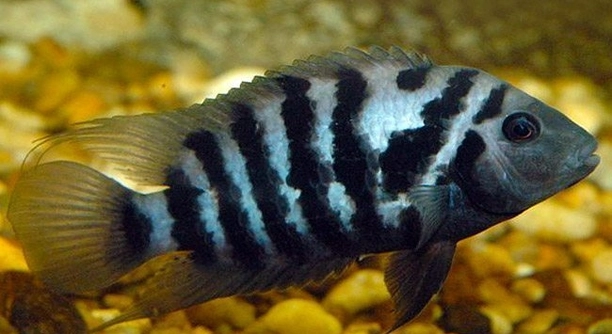
African cichlids are popular fish kept in home aquariums because of their bright colors and active behavior. Many fishkeepers wonder if these fish can tell who else is swimming nearby. Understanding their social awareness can help create a peaceful tank environment.
African cichlids do recognize their tankmates through visual and behavioral cues. They can differentiate familiar fish from strangers, which influences their social interactions, territorial behavior, and hierarchy within the aquarium setting.
Learning how cichlids identify others can improve tank management and reduce conflicts among your fish community.
How African Cichlids Recognize Tankmates
African cichlids use several ways to recognize their tankmates, mainly through sight and behavior. Their eyes are sharp, and they notice differences in color, shape, and movement. These fish are territorial, so they watch how others act to decide if they are a threat or not. When they see a familiar fish, they often show less aggression, but new or different fish might trigger defensive behavior. They also remember past encounters, which helps them avoid fights or sometimes form social bonds. Recognizing others helps cichlids manage their space and maintain order in the tank. This behavior shows they are more aware of their surroundings than we might expect in fish.
Tankmates that behave calmly are more likely to be accepted and tolerated by cichlids.
Understanding this recognition can help you introduce new fish carefully and keep your aquarium peaceful.
Factors Affecting Recognition in African Cichlids
Recognition depends on the environment and the fish’s experiences.
The size of the tank, number of fish, and tank decorations can all affect how well cichlids see and remember their tankmates. In small tanks, fish see each other constantly, which helps with recognition. However, in very crowded tanks, it may be harder for them to keep track of each fish individually. Decorations and plants can block their view and reduce interaction. Also, young cichlids learn to recognize others as they grow, but sudden changes or new additions can confuse them. Stress from overcrowding or poor water quality also reduces their ability to focus on tankmates. This means a calm, stable tank helps cichlids maintain social order by recognizing familiar fish.
Taking these factors into account can help your fish feel more comfortable and reduce aggressive behavior.
Signs African Cichlids Show When Recognizing Tankmates
Cichlids show recognition through body language and behavior. They may swim closer to familiar fish or display less aggression. Watching their reactions can tell you a lot about how well they know their tankmates.
When African cichlids recognize each other, they often establish clear boundaries. They might flare their fins or perform specific displays to show dominance without attacking. If they feel comfortable, they may swim side by side or share territories peacefully. Recognized tankmates usually avoid prolonged fights, which helps reduce stress in the aquarium. These social signals are important for maintaining a stable community, especially in tanks with multiple fish. Paying attention to these signs helps you understand the social dynamics in your aquarium.
Sometimes, new fish are treated harshly at first but become accepted after repeated exposure. This shows cichlids adjust their behavior based on recognition over time.
How to Help Cichlids Recognize New Tankmates
Introducing new fish slowly can make recognition easier.
Keeping new cichlids in a separate container inside the tank for a few days allows the residents to see but not attack them. This helps them get used to the newcomer’s appearance and movements. Gradual introductions reduce stress and aggression, giving the fish time to adjust. Also, rearranging decorations before adding new fish can reset territorial boundaries and lessen conflicts. Watching how your fish react during this period can guide when to fully release the new tankmate. Creating this calm introduction helps build a peaceful tank community where fish recognize and accept each other more easily.
How Tank Size Influences Recognition
Tank size directly impacts how well African cichlids recognize each other. Smaller tanks mean fish are closer, making it easier to identify tankmates. Larger tanks give fish more space, but recognition can become harder.
In bigger tanks, cichlids might not see other fish as often. This can lead to more territorial disputes because fish forget who has claimed certain areas. Providing plenty of hiding spots helps reduce stress and gives fish places to retreat. Balancing tank size with decoration helps cichlids maintain recognition without feeling overwhelmed.
Role of Color Patterns in Recognition
Color patterns play a key role in how African cichlids recognize each other. Each species and even individual fish have distinct colors and markings that help them identify who belongs in the tank and who does not.
Impact of Stress on Recognition
Stress lowers cichlids’ ability to recognize tankmates. High stress can cause confusion and increase aggression.
Do African cichlids always recognize their tankmates?
African cichlids usually recognize their tankmates, especially when kept together for a long time. They rely on sight and behavior to identify familiar fish. However, recognition is not perfect. Changes in appearance, stress, or new environments can confuse them, causing temporary aggression or hesitation until they adjust.
Can cichlids recognize tankmates from different species?
Cichlids can recognize other species but often react differently. They may see them as competitors or threats rather than companions. Recognition depends on how similar the fish look and behave. Some species live well together, while others are more territorial and less tolerant of different fish.
How long does it take for cichlids to recognize new tankmates?
The recognition process varies, but it often takes days to weeks. During this time, cichlids watch the newcomer’s behavior and appearance. Familiarity grows as fish interact, and aggression usually decreases once recognition is established.
Does tank setup affect cichlid recognition?
Yes. Tanks with plenty of hiding spots and decorations help cichlids feel secure and recognize neighbors better. A complex environment reduces stress and territorial fights, allowing fish to get used to each other more easily.
What signs show that cichlids recognize their tankmates?
Cichlids that recognize each other display less aggression, swim closer, or share territories without fighting. They use body language like fin displays to communicate and maintain social order. If fish ignore each other or interact calmly, recognition is likely present.
What happens if cichlids do not recognize their tankmates?
If recognition fails, cichlids may act aggressively or defensively. They might chase, nip, or guard territories more strictly. This behavior causes stress and injuries. Improving tank conditions or rearranging decorations can help reduce conflicts and encourage recognition.
Can cichlids learn to recognize tankmates after fights?
Yes. Repeated encounters help cichlids learn who they share space with. Even after initial fights, they often establish a pecking order and reduce aggression. Patience and careful observation during this period help keep the tank peaceful.
Is it possible to train cichlids to recognize new tankmates faster?
While not exactly training, gradual introduction methods speed up recognition. Using a separate container inside the tank or rearranging decorations helps fish get used to new tankmates without direct contact. This approach lowers stress and encourages peaceful acceptance.
Does stress affect recognition abilities in cichlids?
Stress negatively impacts recognition. Stressed fish may become more aggressive or confused, leading to misidentification. Keeping water quality high, avoiding overcrowding, and providing hiding spots reduce stress and support better social behavior.
Are younger cichlids better at recognizing tankmates?
Younger cichlids are still learning social cues but can recognize tankmates over time. Their behavior is more adaptable, but they may be more curious or aggressive at first. Adult fish often have clearer recognition patterns and established territories.
How do cichlids remember their tankmates?
Cichlids use visual memory and behavior observation to remember tankmates. They recognize unique color patterns, movements, and interactions. Memory helps reduce fights and maintain social hierarchies within the tank.
What role does color change play in recognition?
Color changes can confuse cichlids. Stress, breeding, or health issues may alter a fish’s appearance, making it harder for others to recognize them. This can increase aggression or cause temporary rejection until the fish’s appearance stabilizes.
Can cichlids recognize their owners?
Many cichlids show recognition of their owners through behavior like swimming to the front or reacting to feeding. This is more about recognizing routine and movement than true social recognition but indicates they notice and remember familiar humans.
How does overcrowding affect recognition?
Overcrowding increases stress and reduces the ability of cichlids to recognize individual tankmates. More fish means more competition and less space, causing confusion and aggressive behavior. Proper stocking levels are important to maintain social balance.
What should I do if my cichlids are not recognizing new tankmates?
If aggression or stress is high, try separating the new fish temporarily and rearranging the tank. Introducing new fish slowly and monitoring behavior helps build recognition. In some cases, adding more hiding places or reducing tank population may be necessary.
African cichlids are interesting fish with strong social behaviors. Their ability to recognize tankmates helps them live together more peacefully. They use sight and behavior to tell who belongs in their space and who is new. This recognition is important because it helps reduce fights and stress in the tank. When fish know each other, they can share territory better and avoid unnecessary aggression. This natural behavior makes keeping African cichlids rewarding, but also means we need to pay attention to how fish interact.
Creating the right environment in the aquarium supports cichlids’ recognition skills. A tank with enough space and hiding spots lets fish feel safe and observe each other clearly. If the tank is too crowded or empty, fish may become stressed or confused, which harms recognition. Introducing new fish slowly and rearranging decorations can help break up established territories, allowing fish to get used to newcomers. Maintaining good water quality and a calm setting also reduces stress and helps fish focus on their social group. These steps make it easier for cichlids to accept each other and form a stable community.
It is normal for cichlids to show some aggression at first when new tankmates arrive. However, as time passes, they usually settle into a routine where they recognize and tolerate one another. Watching their behavior closely can help you know when the fish are adjusting well or if more changes are needed. Knowing how African cichlids recognize their tankmates is useful for anyone who keeps these fish. It leads to a healthier tank, happier fish, and a more enjoyable experience for you. With patience and care, your cichlids will build a balanced social group that thrives in their home.

Hello,
If you enjoy the content that we create, please consider saying a "Thank You!" by leaving a tip.
Every little bit helps us continue crafting quality advice that supports the health, happiness, and well-being of pets around the world, for pets of all shapes, sizes, and species.
We really appreciate the kindness and support that you show us!