
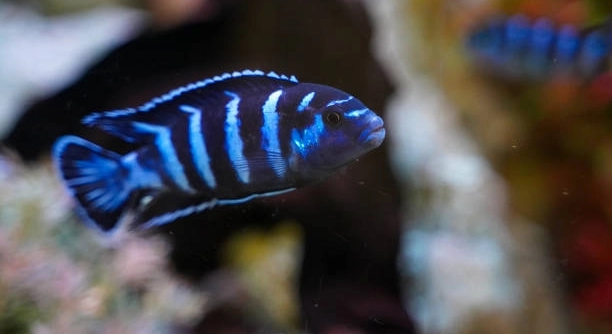
African cichlids are popular aquarium fish known for their bright and vibrant colors. Many fish keepers want to enhance these colors naturally. Feeding the right foods plays a key role in making their colors stand out.
Certain foods contain nutrients and pigments that directly influence the coloration of African cichlids. These foods help improve their natural hues by supplying carotenoids, proteins, and vitamins essential for pigment development and overall health.
Choosing the right diet will help your fish show their best colors while supporting their well-being and vitality.
Spirulina: A Natural Color Enhancer
Spirulina is a type of blue-green algae that is often added to fish food for its strong coloring effects. It contains high levels of carotenoids, especially beta-carotene and canthaxanthin, which are pigments responsible for red, orange, and yellow hues. African cichlids fed spirulina tend to show brighter and deeper colors, making them more visually appealing in aquariums. Additionally, spirulina provides protein and essential nutrients that support overall health and immune function. Many aquarists notice their fish become more active and vibrant after incorporating spirulina into their diets regularly. It is available as flakes or powder, making it easy to mix with other foods or use on its own. Using spirulina as a staple in feeding routines can be a simple way to boost color without relying on artificial additives.
Spirulina also supports digestion, helping fish absorb nutrients better.
Regular feeding of spirulina ensures sustained coloration and improves fish vitality, making it a reliable choice for maintaining healthy, colorful African cichlids.
Red and Orange Vegetables
Carotenoids are found in many red and orange vegetables, such as carrots and red bell peppers. These pigments enhance the red and orange shades in cichlids, enriching their natural color palette. Feeding finely chopped or pureed vegetables mixed with other foods can encourage your fish to eat more color-boosting ingredients. Vegetables also offer dietary fiber and vitamins, supporting digestive health and immune strength. Unlike synthetic color enhancers, natural vegetables provide balanced nutrition without risking harm to your fish. Many hobbyists combine these vegetables with protein-rich foods for optimal results. Preparing fresh vegetables or using freeze-dried options keeps feeding simple and effective. Consistent inclusion of these vegetables in the diet gradually improves the brightness and richness of your African cichlids’ coloration over time.
Krill and Brine Shrimp
Krill and brine shrimp are rich in natural pigments like astaxanthin, which help enhance red and orange colors in African cichlids. These foods also provide essential proteins and fats that support growth and overall health.
Including krill and brine shrimp in your cichlids’ diet can quickly brighten their colors. These foods are often available freeze-dried, frozen, or live, giving you flexible feeding options. The natural astaxanthin content is especially effective at intensifying reds and oranges, making your fish look more vivid. Besides coloring benefits, the protein and omega-3 fatty acids promote better immune response and healthier skin. Feeding these items regularly ensures your cichlids maintain strong colors and good vitality.
Feeding live krill or brine shrimp can also stimulate natural hunting behavior, keeping your fish active and engaged. Their nutritional value complements other diet elements well.
High-Quality Pellets
High-quality pellets often contain a blend of natural color enhancers and balanced nutrients tailored for African cichlids. They are convenient and provide consistent feeding.
These pellets usually include ingredients like spirulina, krill, and various carotenoid-rich additives. They are formulated to support vibrant coloration while meeting the fish’s dietary needs. Pellets help simplify feeding routines by offering complete nutrition in one product. Choosing a pellet designed specifically for cichlids helps avoid fillers that don’t contribute to health or color. Feeding pellets alongside fresh or frozen foods maximizes nutritional benefits. Regular use of premium pellets supports sustained color vibrancy and strong immune systems in your fish.
Beetroot
Beetroot is rich in natural pigments that can enhance the red tones in African cichlids. It is best offered cooked and finely chopped to make it easier for fish to eat.
Adding beetroot occasionally provides antioxidants and vitamins that support overall health. Its natural color compounds help deepen red hues when included in the diet regularly.
Daphnia
Daphnia, or water fleas, are a natural food source packed with protein and carotenoids. They help brighten fish colors while promoting healthy growth and digestion.
Including live or frozen daphnia in feeding routines adds variety and encourages natural foraging behavior. Their high nutrient content makes them a valuable supplement for vibrant, healthy cichlids.
Bloodworms
Bloodworms are high in protein and contain natural pigments that help boost reds and pinks in African cichlids. They are best fed frozen or freeze-dried to reduce contamination risks.
Regular feeding of bloodworms supports color enhancement and provides energy, but they should be offered in moderation to avoid digestive issues.
FAQ
What foods are best for boosting color in African cichlids?
The best foods for enhancing color include spirulina, krill, brine shrimp, red and orange vegetables, beetroot, daphnia, and bloodworms. These foods contain natural pigments like carotenoids and astaxanthin, which improve red, orange, and yellow tones. They also provide essential nutrients that support overall health and vibrant coloration.
How often should I feed color-enhancing foods?
Feeding color-enhancing foods two to three times per week is generally enough to see noticeable improvements. Daily feeding is possible if balanced with a variety of other nutritious foods to avoid overfeeding or nutritional imbalance. Rotate different color-boosting foods to keep your cichlids’ diet varied and complete.
Can I rely only on pellets for color enhancement?
High-quality pellets formulated for African cichlids can support color enhancement because they often contain spirulina and carotenoids. However, relying solely on pellets might not provide enough diversity in nutrients. Combining pellets with fresh, frozen, or live foods like krill and vegetables gives better results and overall fish health.
Are artificial color enhancers safe for cichlids?
Artificial color enhancers can improve fish coloration but may pose health risks if used excessively or for long periods. Natural sources like those mentioned in this article are safer and provide additional nutrients. It is best to avoid or limit artificial additives and focus on natural foods.
How quickly will I see color changes after changing the diet?
Color changes usually take several weeks to become noticeable, often around 3 to 6 weeks of consistent feeding with color-rich foods. This timeframe allows pigments to build up in the fish’s skin and scales. Patience is important, as sudden changes rarely happen overnight.
Can poor water quality affect color even with a good diet?
Yes, poor water quality can dull the colors of African cichlids. Healthy water conditions are essential for pigment expression and overall fish well-being. Keeping ammonia, nitrites, and nitrates low, maintaining proper pH, and performing regular water changes help ensure that dietary improvements actually show in vibrant colors.
Is it necessary to supplement vitamins along with color-boosting foods?
Supplementing vitamins is helpful, especially vitamin C and E, which support immune health and pigment maintenance. Many high-quality pellets already include these vitamins. When feeding mostly natural foods, a vitamin supplement can fill any nutritional gaps to keep your cichlids healthy and colorful.
Are live foods better than frozen or dried for color enhancement?
Live foods can stimulate natural feeding behavior and may provide fresher nutrients, but frozen and dried versions still retain many pigments and nutrients. Frozen krill, brine shrimp, or bloodworms are practical and safe alternatives. Rotating between live, frozen, and dried options ensures variety and balanced nutrition.
Can feeding too much color-enhancing food harm my fish?
Overfeeding any single food type can cause digestive problems or nutritional imbalances. Color-enhancing foods should be part of a varied diet, not the only items offered. Moderation and variety are key to maintaining both vibrant colors and good health.
What if my cichlids don’t eat certain color foods?
Some fish can be picky. Try mixing new foods with their regular diet or finely chopping or crushing them to improve acceptance. Offering live or frozen options can also encourage feeding. Patience and small changes over time usually help fish adjust to new foods.
African cichlids are beautiful fish that show their best colors when they get the right nutrition. Feeding them foods rich in natural pigments like carotenoids and astaxanthin helps make their colors brighter and more vivid. Ingredients such as spirulina, krill, brine shrimp, and certain vegetables play an important role in supporting their color development. Including these foods regularly in their diet ensures your cichlids look healthy and colorful. It is important to remember that a varied diet is better than relying on just one type of food, as this helps provide balanced nutrition and avoids any health issues.
Besides food, other factors like water quality and overall care also affect how well your fish display their colors. Clean, well-maintained water with stable conditions allows cichlids to stay healthy and show off their natural hues. Stress and poor living conditions can dull their colors even if they are eating well. So, providing a good environment along with the right diet will give the best results. Feeding high-quality pellets combined with fresh, frozen, or live foods can make your care routine easier while still improving the color and vitality of your fish.
Color enhancement takes time and patience. It may take several weeks before you see noticeable changes in your cichlids’ appearance after adjusting their diet. Consistency in feeding the right foods and maintaining a healthy tank environment is key. Avoid overfeeding or using artificial color enhancers, which can sometimes cause more harm than good. By focusing on natural, nutritious foods and proper care, your African cichlids will display vibrant colors and stay healthy for a long time. Taking these simple steps can make a big difference in how your aquarium looks and how your fish feel.

Hello,
If you enjoy the content that we create, please consider saying a "Thank You!" by leaving a tip.
Every little bit helps us continue crafting quality advice that supports the health, happiness, and well-being of pets around the world, for pets of all shapes, sizes, and species.
We really appreciate the kindness and support that you show us!