
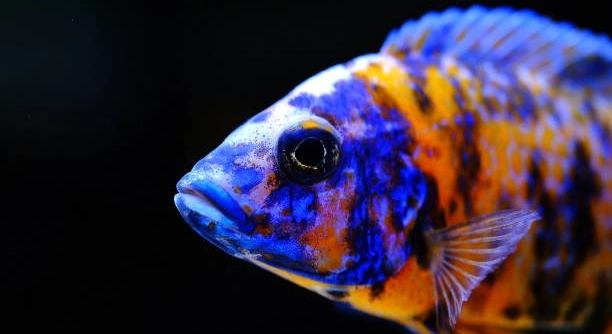
African cichlids are popular aquarium fish known for their bright colors and active behavior. Keeping them healthy requires attention to their environment and daily care. Many owners face common challenges that can cause stress for these fish.
Seven key mistakes often lead to stress in African cichlids. These include improper tank size, poor water quality, incorrect diet, lack of hiding spaces, aggressive tank mates, inconsistent water temperature, and inadequate filtration. Addressing these factors is essential for their well-being.
Knowing these common issues will help you create a better home for your cichlids and improve their overall health and happiness.
Tank Size Too Small
Many people don’t realize how important tank size is for African cichlids. These fish need plenty of space to swim and establish their territories. A small tank can cause overcrowding, which increases stress and leads to aggressive behavior. It also makes it harder to maintain good water quality. For most species, a tank of at least 30 gallons is recommended, but some may require even more. Keeping fewer fish in a larger tank helps them stay calm and healthy. Overcrowding can lead to competition for food and hiding spots, making the fish more prone to illness. Paying attention to tank size is one of the simplest ways to improve your cichlids’ life.
A bigger tank allows for a more natural environment, reducing stress and aggression in African cichlids.
When the tank is too small, waste builds up quickly, making water conditions worse. This forces fish to live in poor conditions and weakens their immune systems. With more space, fish can swim freely and avoid constant conflicts. Providing enough room is an easy step that protects their health and encourages natural behavior. It’s worth investing in a suitable tank size to see happier and more vibrant cichlids.
Poor Water Quality
Poor water quality is a major cause of stress in African cichlids. Dirty water with high ammonia, nitrites, or nitrates can harm their gills and overall health. Regular water changes and testing are needed to keep water safe.
Maintaining stable, clean water helps prevent illness and promotes long-term health for your fish.
Water quality affects every part of a cichlid’s life. These fish are sensitive to sudden changes in pH, temperature, and chemical levels. Overfeeding, overcrowding, and lack of filtration often cause water to become toxic. Filtration systems must be strong enough to handle the bio-load of the fish. Without it, harmful toxins build up quickly. Changing 20-30% of the water weekly can remove waste and keep conditions stable. Test kits help monitor water parameters like pH, ammonia, nitrites, and nitrates. Keeping these in the right range reduces stress and supports strong immune systems. Clean water creates a healthy environment where cichlids can thrive without constant worry or illness. This simple care step prevents many problems before they start.
Incorrect Diet
Feeding African cichlids the wrong food can quickly cause health issues and stress. These fish need a balanced diet suited to their species.
A diet too high in protein or lacking in essential nutrients can lead to digestive problems and weakened immune systems. Some cichlids are herbivores, while others are omnivores, so it’s important to know what your specific fish require. Overfeeding also contributes to poor water quality, which adds stress. Using high-quality flakes, pellets, and occasional fresh vegetables or live food can keep them healthy and energetic.
Changing the diet suddenly can upset their digestive system. Introduce new foods slowly and watch how your fish respond. A proper diet supports color, behavior, and longevity. Avoid feeding human food or inappropriate items, as these can be harmful or even toxic. Keeping a consistent, suitable feeding schedule helps maintain their overall well-being and reduces unnecessary stress.
Lack of Hiding Spaces
African cichlids need places to hide to feel secure, especially during stressful times like tank changes or aggressive encounters.
Without enough hiding spots, fish become anxious and more likely to fight. Decorations such as rocks, caves, and plants create safe spaces for resting and retreat. These spots also help establish territories, which lowers conflict. Providing a variety of hiding places gives each fish a chance to claim its own area, reducing stress and aggression. This setup mimics their natural environment and encourages natural behavior, making them more comfortable in captivity. A well-decorated tank is essential for a peaceful cichlid community.
Aggressive Tank Mates
Mixing African cichlids with incompatible tank mates often leads to fighting and stress. Some species are naturally territorial and don’t tolerate others well.
Choosing compatible fish helps keep the tank peaceful. Avoid small, timid fish that may get bullied or injured by aggressive cichlids.
Inconsistent Water Temperature
Stable water temperature is vital for African cichlids’ health. Sudden changes can shock their system and cause stress.
Fluctuations weaken their immune response, making them vulnerable to disease. Use a reliable heater and thermometer to maintain a steady temperature suited for the species.
Inadequate Filtration
A weak or poorly maintained filter cannot keep the tank clean enough for cichlids. This leads to toxic water buildup.
Regularly clean or replace filter media to ensure proper water flow and filtration efficiency. This keeps fish healthy and reduces stress.
FAQ
What causes aggression among African cichlids?
Aggression mainly comes from territorial behavior and overcrowding. African cichlids are naturally territorial and need space to claim their own areas. When the tank is too small or there are too many fish, they compete for space, which increases fighting. Stress from poor water conditions or lack of hiding places also makes them more aggressive. Choosing compatible species and providing enough space and shelters can reduce aggressive behavior significantly.
How often should I change the water for African cichlids?
Regular water changes are essential for keeping the tank clean and fish healthy. Generally, changing 20-30% of the water every week is recommended. This helps remove toxins like ammonia and nitrates that build up over time. If the tank is crowded or filtration is weak, more frequent changes may be needed. Always use water that is treated and matches the tank’s temperature and pH to avoid shocking the fish.
Can African cichlids live with other fish?
It depends on the species. Some cichlids are very aggressive and won’t tolerate small or peaceful fish. Others may live with similar-sized or equally aggressive species if the tank is large enough. Always research the specific cichlid species and their behavior before mixing them with other fish. Avoid mixing cichlids with fish that are too passive or much smaller to prevent bullying and stress.
What is the best diet for African cichlids?
The diet depends on whether your cichlids are herbivores, omnivores, or carnivores. Most benefit from a mix of high-quality pellets or flakes made for cichlids, supplemented with vegetables like spinach or peas, and occasional live or frozen food like brine shrimp or bloodworms. Avoid feeding them too much protein if they are herbivores. Feeding a varied, balanced diet supports their color, growth, and overall health.
Why are my African cichlids losing color?
Color fading can be a sign of stress or poor health. Common causes include bad water quality, improper diet, or aggressive tank mates causing anxiety. Illness and inadequate lighting may also affect their appearance. Ensuring clean water, a balanced diet, and a peaceful environment usually helps bring their color back.
How can I reduce stress in African cichlids?
Stress can be reduced by providing a spacious tank with proper filtration, stable water temperature, and regular maintenance. Add hiding spots like rocks and plants to give fish safe places. Avoid overcrowding and aggressive tank mates. Feeding a balanced diet and monitoring water quality also helps keep stress low.
What symptoms show that an African cichlid is stressed?
Signs of stress include hiding more than usual, loss of appetite, dull coloration, rapid breathing, and erratic swimming. They may also show physical symptoms like clamped fins or white spots. If you notice these, check water quality and tank conditions immediately to find the cause and fix it.
Is it normal for African cichlids to fight sometimes?
Yes, some level of fighting is natural because they establish territories. However, constant or severe fighting can harm the fish and cause stress. If fighting gets too intense, it’s important to assess tank size, decorations, and fish compatibility to reduce conflicts.
How important is water pH for African cichlids?
Water pH is very important. African cichlids usually prefer alkaline water with a pH between 7.8 and 8.6. Water outside this range can cause stress and health problems. Regular testing and adjustments keep the water stable and suitable for the fish.
Can overfeeding cause stress or health problems?
Yes, overfeeding is a common mistake. It leads to leftover food that pollutes the water and can cause digestive issues in fish. Feed small amounts that the fish can eat in a few minutes, once or twice a day. This keeps water cleaner and fish healthier.
Final Thoughts
Taking care of African cichlids requires attention to many details. These fish need a proper tank size, good water quality, and a balanced diet to stay healthy. Overlooking any of these basics can cause stress and health problems. It’s important to keep the tank clean, avoid overcrowding, and provide enough space for each fish to establish its territory. Stress can weaken their immune system and lead to illness, so prevention is always better than treatment. Paying close attention to these factors makes a big difference in how well your cichlids thrive.
Creating a comfortable environment with hiding spaces and the right tank mates helps reduce stress and aggressive behavior. African cichlids often defend their territory, but with enough room and shelters, conflicts become less frequent. Watching your fish closely and learning their habits can help you notice when something is wrong. Changes in behavior or appearance can be early signs of stress or illness. Taking quick action, such as checking water parameters or adjusting the tank setup, often prevents more serious problems. The more you understand their needs, the better you can support their health.
Finally, consistency matters a lot in fish care. Keeping water temperature stable, feeding appropriate food regularly, and maintaining clean water conditions are all important. Sudden changes or neglect can cause stress, making your fish vulnerable to disease. Establishing a routine for tank maintenance and feeding helps keep everything in balance. African cichlids are beautiful and rewarding pets when cared for properly. By avoiding common mistakes and paying attention to their needs, you can enjoy watching your fish live healthy, active lives for many years.

Hello,
If you enjoy the content that we create, please consider saying a "Thank You!" by leaving a tip.
Every little bit helps us continue crafting quality advice that supports the health, happiness, and well-being of pets around the world, for pets of all shapes, sizes, and species.
We really appreciate the kindness and support that you show us!