
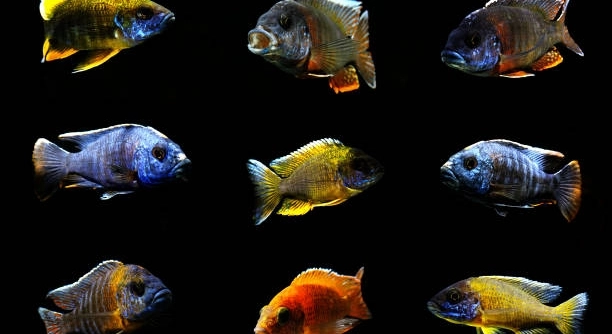
Many aquarium owners notice their cichlid fish shaking and wonder what it means. This behavior can be puzzling and may cause concern about the fish’s health or environment. Understanding why cichlids shake helps in caring for them better.
Cichlid shaking often indicates stress, illness, or environmental discomfort. It may result from poor water quality, parasites, or sudden changes in the tank. Identifying and addressing these causes is essential for maintaining the fish’s well-being and preventing further issues.
Recognizing the reasons behind this behavior can improve your aquarium care routine and ensure a healthier habitat for your cichlids. This article will explain the main factors that cause shaking and how to respond.
Common Causes of Cichlid Shaking
Shaking in cichlids usually signals discomfort or health issues. One frequent cause is poor water quality. Ammonia, nitrite, or nitrate levels that are too high can irritate the fish’s gills and skin, leading to shaking. Another cause is parasites or infections. These can cause the fish to twitch or shake as they try to relieve itching or pain. Sudden changes in water temperature or pH levels also stress cichlids, making them shake. Sometimes, shaking happens during breeding or when the fish feels threatened by other tank mates. Observing the tank environment and other fish behavior can help identify the exact reason. Regular water testing and tank maintenance are essential to keep cichlids healthy and reduce shaking incidents.
Poor water quality is the most frequent reason cichlids shake, affecting their overall health and comfort significantly.
Keeping a close eye on water parameters and fish behavior helps prevent and quickly address shaking in cichlids.
How to Respond to Cichlid Shaking
Once shaking is noticed, immediate action can prevent worsening problems. Testing the water for ammonia, nitrites, and nitrates is crucial to ensure safe levels. If these are high, partial water changes can improve conditions quickly. If parasites or infections are suspected, treating the tank with appropriate medication is necessary. Isolating the affected fish can prevent spreading disease. Adjusting temperature and pH to suit the species’ needs also helps reduce stress. Providing hiding spots and avoiding overcrowding can calm nervous fish. Observing the fish closely for other signs of illness or aggression will guide further care decisions. Prompt, attentive responses promote the fish’s recovery and maintain a stable environment for all tank inhabitants. This helps keep your cichlids healthy and comfortable in their space.
Preventing Cichlid Shaking
Maintaining stable water conditions is key to preventing shaking. Regular water changes and monitoring help keep the environment healthy and comfortable for your fish.
Consistent tank maintenance reduces stress on cichlids, which can stop shaking before it starts. Keeping the water clean and balanced prevents irritants that cause discomfort. Avoid overcrowding and provide enough hiding spots. Stress from tank mates can trigger shaking, so compatible species are important. Proper feeding and avoiding sudden changes also protect their health. Small daily checks can catch problems early, making prevention easier.
Ensuring the tank mimics natural conditions as closely as possible keeps cichlids calm. This includes stable temperature, correct pH, and clean water. These simple steps greatly reduce the chance of shaking and promote a peaceful aquarium.
Recognizing When Shaking Indicates Illness
Shaking combined with other symptoms may mean illness. Signs include loss of appetite, lethargy, or visible spots on the fish’s body. These symptoms suggest parasites or bacterial infections requiring treatment.
If shaking lasts more than a day or worsens, it needs attention. Sometimes fish shake after aggressive encounters or stress, but if it continues alongside odd behavior, medical care is needed. Early diagnosis helps avoid serious health decline. Observation is essential to spot these warning signs quickly and act accordingly. This careful approach improves your fish’s chances for recovery and long-term well-being.
Environmental Stress Factors
Changes in tank environment often cause shaking. Sudden shifts in temperature or water chemistry can make cichlids uneasy. Consistent conditions help keep them stable and comfortable.
Loud noises or excessive movement near the tank can also stress fish. Minimizing disturbances contributes to a calm habitat, reducing shaking caused by fear or anxiety.
Proper Tank Setup for Cichlids
Cichlids need enough space and hiding places to feel secure. Providing rocks, plants, and caves mimics their natural habitat and lowers stress levels. Overcrowding can lead to aggression and shaking, so stocking the tank appropriately is essential. Proper filtration and regular cleaning maintain water quality, preventing irritation and disease. Balancing these elements creates an environment where cichlids thrive without unnecessary shaking or discomfort.
Monitoring Your Fish’s Behavior
Regularly watching your cichlids helps detect early signs of trouble. Behavioral changes often precede physical symptoms, making observation an important part of care.
FAQ
Why is my cichlid shaking but eating normally?
Shaking can sometimes be caused by mild stress or temporary irritation, even when the fish’s appetite remains good. Factors like slight water quality changes, new tank mates, or brief disturbances may make your cichlid shake without affecting eating habits. Monitoring water parameters and fish behavior can help determine if the shaking is harmless or needs attention.
Can temperature changes cause cichlids to shake?
Yes, sudden temperature changes can stress cichlids and cause shaking. These fish are sensitive to their environment, and a drop or rise in temperature outside their ideal range may lead to discomfort. Maintaining a stable temperature with a reliable heater and thermometer reduces shaking caused by environmental stress.
Is shaking a sign of illness in all cases?
Not always. Shaking can be a response to stress, breeding behavior, or social interactions. However, if shaking is prolonged or paired with other signs like lethargy, loss of appetite, or visible marks, it often signals illness requiring treatment.
What water conditions help prevent shaking?
Stable water temperature, correct pH levels, and clean water free of ammonia, nitrites, and nitrates help prevent shaking. Regular testing and water changes keep the environment safe and comfortable for cichlids.
How do parasites cause cichlids to shake?
Parasites irritate the fish’s skin and gills, making the cichlid twitch or shake in an attempt to relieve discomfort. Common parasites include ich and flukes. Treating the tank with appropriate medication is essential to stop the shaking and heal the fish.
Can stress from tank mates make a cichlid shake?
Yes, aggressive or incompatible tank mates can stress cichlids, causing shaking. Providing hiding spots and choosing peaceful species helps reduce social stress and related shaking.
Should I isolate a shaking cichlid?
If the shaking is linked to illness or aggression, isolating the fish in a quarantine tank is a good idea. This prevents disease spread and protects the fish while it recovers.
Is shaking normal during breeding?
Some cichlids shake during breeding or courtship as part of their natural behavior. This shaking is usually brief and not harmful, so it does not require intervention.
How often should I test my tank water?
Testing water at least once a week is recommended to maintain stable conditions. Frequent checks help detect issues early before they cause stress or illness that leads to shaking.
Can diet affect shaking?
A poor diet weakens the immune system, making fish more vulnerable to stress and disease that cause shaking. Providing a balanced diet suitable for cichlids supports their health and reduces shaking episodes.
What medication is safe for treating shaking caused by illness?
Medications designed for freshwater fish, such as those targeting parasites or bacterial infections, are generally safe when used as directed. Always follow instructions carefully and monitor the fish during treatment.
How quickly should shaking stop after treatment or changes?
Shaking usually decreases within a few days after improving water quality or starting treatment. If shaking persists beyond a week, further investigation and possibly professional advice are needed.
Can shaking damage my cichlid?
Shaking itself is not usually harmful but indicates an underlying problem. Ignoring shaking could lead to worsening health, so addressing the cause is important for the fish’s well-being.
Are all cichlid species prone to shaking?
Some species are more sensitive to environmental changes and stress, making them more likely to shake. Knowing your cichlid’s specific needs helps reduce shaking and keep them comfortable.
What role does tank size play in preventing shaking?
A spacious tank reduces stress by allowing fish to establish territories and avoid conflicts. Overcrowded tanks often lead to stress-induced shaking due to lack of space and increased aggression.
How important is a proper filtration system?
Good filtration maintains water quality by removing waste and toxins. Poor filtration leads to harmful water conditions, which often cause shaking and other health problems.
Can shaking be a sign of poisoning or chemical exposure?
Yes, exposure to chemicals like cleaning agents, pesticides, or harmful metals can cause shaking. Preventing contamination and using safe aquarium products is essential to protect your fish.
Is shaking more common in new tanks?
New tanks may have unstable water parameters or cycling issues, causing stress and shaking in cichlids. Allowing the tank to cycle fully before adding fish reduces this risk.
How can I calm a shaking cichlid?
Maintaining clean, stable water, providing hiding places, and reducing disturbances calm stressed cichlids. Gentle handling and avoiding sudden changes help as well.
When should I consult a veterinarian?
If shaking is persistent, accompanied by severe symptoms, or does not improve with care, consulting a vet specialized in fish health is advisable. Early professional help can prevent serious problems.
Cichlid shaking can mean different things depending on the situation. Sometimes it is a normal response to stress, changes in the environment, or social interactions with other fish. Other times, it signals health problems such as infections or parasites. Understanding the cause of the shaking is important for taking the right steps to help the fish. By paying attention to water quality, tank setup, and the behavior of your cichlids, you can reduce shaking and keep your fish comfortable. Regular observation helps catch any signs of illness early, allowing you to act before problems get worse.
Maintaining stable and clean water conditions is one of the most effective ways to prevent shaking. Cichlids are sensitive to changes in temperature, pH, and chemical levels, so consistent monitoring is necessary. Proper filtration, regular water changes, and avoiding overcrowding all contribute to a healthy tank environment. Providing enough space and hiding places also helps reduce stress caused by aggression or fear. When cichlids feel secure and their environment is steady, shaking due to stress or discomfort becomes much less common. A well-maintained aquarium supports the long-term health and well-being of your fish.
When shaking is caused by illness, quick and careful treatment is essential. Identifying symptoms such as loss of appetite, lethargy, or visible spots can help determine the need for medication or isolation of the affected fish. Following proper care guidelines and using safe treatments improves the chances of recovery. Remember, shaking itself is a signal that something may need attention, but it is not always serious. Regular care and observation will help you maintain a thriving tank where your cichlids can live healthy and peaceful lives.

Hello,
If you enjoy the content that we create, please consider saying a "Thank You!" by leaving a tip.
Every little bit helps us continue crafting quality advice that supports the health, happiness, and well-being of pets around the world, for pets of all shapes, sizes, and species.
We really appreciate the kindness and support that you show us!