
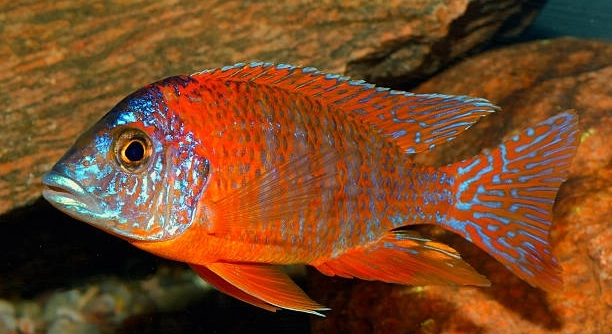
African cichlids are popular freshwater fish known for their vibrant colors and lively behavior. Many aquarium enthusiasts care for these fish and want to understand their daily habits. One common curiosity is how these active creatures rest at night.
African cichlids do sleep, although their rest is different from mammals. They enter a state of reduced activity, often staying motionless near shelter or substrate. This restful behavior usually occurs during dark hours, helping them conserve energy and maintain health.
Knowing when and how African cichlids sleep helps in creating a suitable environment for their well-being. This article explains their sleep patterns and the best practices to support their natural rhythms.
When Do African Cichlids Sleep?
African cichlids are most active during the day and tend to rest when the lights go off. Their sleep usually begins at dusk and lasts throughout the night, similar to many other fish species. In captivity, their sleep pattern follows the aquarium’s light cycle, so it is important to keep a consistent schedule. Sudden changes in lighting or disruptions during their rest can stress them and affect their health. They often find a quiet spot, such as behind rocks or plants, where they can remain still and feel safe. Unlike humans, their sleep does not involve closing their eyes fully, but they do reduce their movement and responsiveness to surroundings. Providing a dark, calm environment supports their natural resting habits and helps maintain their energy for daytime activities.
African cichlids rely heavily on the light cycle to regulate their rest. This is why maintaining a stable lighting schedule is crucial in an aquarium.
Adjusting aquarium lighting gradually at dusk can help African cichlids transition smoothly into rest. Avoid sudden brightness or noise that may disturb their sleeping habits. A peaceful environment encourages better sleep, which supports their immune system and overall well-being. Understanding these patterns allows caretakers to provide an ideal habitat that respects their natural behaviors.
How Do African Cichlids Sleep?
During their sleep, African cichlids slow down their movements and reduce activity. They don’t enter a deep sleep like mammals, but their bodies rest enough to restore energy. They often hover near the bottom or hide among decorations to feel secure. This stillness is a form of rest that helps them recover from the day’s exertions. Because they do not have eyelids, their eyes remain open, but their brain activity lowers during this period. This state also helps them stay alert to possible threats. In an aquarium setting, offering hiding places is essential to make them comfortable during rest. Without these, stress can increase and negatively affect their health.
Sleep behavior in cichlids is more about inactivity and less about deep unconscious rest.
Providing natural hiding spots and stable conditions supports their rest cycle. It is beneficial to avoid sudden disturbances during night hours. When African cichlids have proper rest, they remain vibrant and active during the day, showing their true colors and behavior. Respecting their sleep habits leads to healthier fish and a more balanced aquarium environment.
Signs That African Cichlids Are Sleeping
African cichlids show clear signs when they are resting. They remain still, often staying close to the bottom or near hiding spots. Their body movements slow significantly, and they become less responsive to external stimuli. These signs indicate they are conserving energy.
When resting, African cichlids’ fins may gently move, but overall activity is minimal. Their eyes stay open, but their reaction time to sudden changes decreases. It’s common to find them in shaded areas or behind rocks, which provide a sense of security. Observing these behaviors helps identify their rest periods and ensures they are healthy.
If cichlids are constantly active without rest, it could signal stress or poor tank conditions. Providing a dark, calm space supports their sleep cycle and promotes better health. Monitoring these signs helps keep their environment balanced and comfortable.
How to Create a Sleep-Friendly Environment
A sleep-friendly environment for African cichlids involves stable lighting and plenty of hiding spots. Dim or turn off aquarium lights during night hours to mimic natural conditions. This encourages their natural rest behavior.
Plants, rocks, and caves offer safe spaces for cichlids to hide and rest. These shelters reduce stress and help fish feel secure. Avoid loud noises and sudden movements near the tank, especially at night. Consistency in tank conditions supports their natural rhythms and improves overall well-being.
Regular maintenance of water quality also impacts sleep quality. Clean water with stable temperature reduces stress and allows cichlids to rest peacefully. By creating a calm, secure habitat, you help your fish maintain healthy sleep patterns, which directly affects their behavior and color vibrancy during the day.
Common Misconceptions About Cichlid Sleep
Many people think fish don’t sleep because their eyes remain open. However, cichlids do rest even without closing their eyes. Their sleep is more about reduced activity than deep unconsciousness.
Another misconception is that fish sleep only when completely still. In reality, slight fin movements can happen during rest. These movements help them breathe and stay balanced.
Do African Cichlids Dream?
There is no scientific evidence that African cichlids experience dreams. Their brain structure is different from mammals, and their sleep is lighter.
Fish rest to recover energy but do not show signs of REM sleep, which is linked to dreaming in humans and some animals.
Effects of Poor Sleep on African Cichlids
Poor sleep can lead to stress, weakened immunity, and dull colors in cichlids. It also affects their behavior, making them less active and more aggressive. Providing a stable environment improves their sleep quality and overall health.
FAQ
Do African cichlids need complete darkness to sleep?
African cichlids do best with a consistent light and dark cycle that mimics their natural environment. Complete darkness helps signal their rest period and encourages reduced activity. However, some low ambient light may not disturb them if it is gradual and gentle. Sudden bright lights during their rest time can stress the fish and interrupt their sleep.
How long do African cichlids sleep each day?
These fish usually rest for about 8 to 12 hours daily, mostly during nighttime. Their sleep pattern follows the day-night cycle of their environment. In an aquarium, maintaining a regular schedule with about 10-12 hours of darkness supports healthy rest and activity balance.
Can African cichlids sleep during the day?
While primarily nocturnal sleepers, African cichlids may rest briefly during the day if they feel safe and comfortable. However, their main rest period occurs at night, when the aquarium lights are off or dimmed. Daytime activity remains high as they forage and explore.
What happens if African cichlids don’t get enough rest?
Lack of rest can lead to increased stress and vulnerability to illness. Cichlids may become less colorful, show reduced activity, and have weaker immune systems. It is important to provide a stable environment to allow them proper rest to maintain their health and vibrancy.
Do African cichlids sleep alone or in groups?
They often rest near other fish but usually find their own personal hiding spots. Group sleeping is less common, as each fish prefers a secure place to feel safe. Providing plenty of shelters helps reduce competition and stress during rest times.
Is it normal for African cichlids to move while sleeping?
Yes, slight movements during rest are normal. These help with breathing and maintaining position in the water. Complete stillness is rare since fish don’t have the same sleep cycles as mammals. Slow fin movements or gentle swaying often occur without disturbing their rest.
Can aquarium lighting affect cichlid sleep?
Absolutely. Bright or fluctuating lights during their rest period can disrupt sleep and cause stress. Using a timer to maintain consistent light and dark cycles helps cichlids develop healthy sleep habits. Avoid turning lights on and off abruptly during night hours.
Do African cichlids need a specific temperature to sleep well?
Stable water temperature is important for their rest. Sudden drops or rises can cause stress and interrupt sleep. Most African cichlids thrive between 74°F and 82°F (23°C to 28°C), and keeping temperature within this range supports their natural behavior, including sleep.
How do stress and sleep relate in African cichlids?
Stress negatively impacts sleep quality. When fish feel threatened or uncomfortable, they may avoid resting properly. Good tank conditions, appropriate hiding places, and a calm environment reduce stress and promote better sleep. Healthy rest helps fish recover and stay resilient.
Can sleep patterns indicate health issues in cichlids?
Changes in sleep behavior can signal problems. For example, excessive inactivity or constant movement may show illness or poor water quality. Monitoring sleep habits is a useful way to detect early signs of stress or disease. Maintaining good care helps prevent these issues.
African cichlids do sleep, but their rest looks different from the sleep of mammals or humans. Instead of closing their eyes and entering deep sleep, they reduce their activity and stay still, often near hiding places. This form of rest helps them conserve energy and stay healthy. It is important to recognize that their sleep is part of their natural daily rhythm, tied closely to light and dark cycles. When the lights go off, they slow down and prepare for their rest period, which usually lasts through the night.
Creating a suitable environment for African cichlids is essential to support their sleep habits. Stable lighting that mimics natural day and night cycles helps them maintain a regular sleep schedule. Providing hiding spots such as rocks, plants, and caves gives them secure places to rest without feeling threatened. Sudden noises, bright lights, or changes in water conditions can disturb their rest and cause stress. Ensuring a calm, stable aquarium promotes better sleep, which in turn leads to healthier and more vibrant fish.
Monitoring your cichlids’ behavior can help you understand their sleep patterns and overall well-being. Signs like reduced movement, staying close to shelter, and slower reactions usually mean they are resting. If fish remain active all the time or show unusual behavior, it may be a sign of stress or poor health. By paying attention to these details and maintaining good care practices, you can support their natural sleep habits. Healthy rest allows African cichlids to be active, colorful, and strong during the day, making your aquarium a more enjoyable and balanced environment.

Hello,
If you enjoy the content that we create, please consider saying a "Thank You!" by leaving a tip.
Every little bit helps us continue crafting quality advice that supports the health, happiness, and well-being of pets around the world, for pets of all shapes, sizes, and species.
We really appreciate the kindness and support that you show us!