
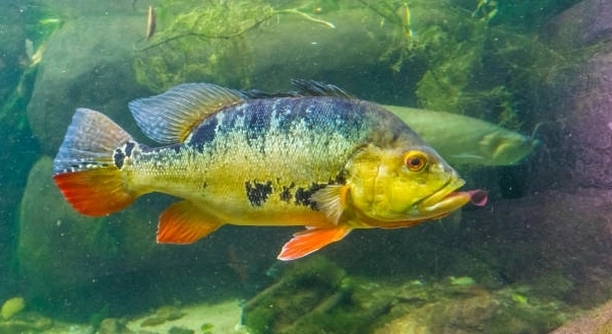
Cichlids are popular fish for home aquariums but can often show aggressive behavior that disrupts tank harmony. Managing this aggression is important to maintain a peaceful environment for all the fish. Proper care and setup help reduce conflicts.
Aggression in cichlid tanks can be minimized by adjusting tank size, providing adequate hiding spots, maintaining stable water conditions, and carefully selecting compatible species. Consistent monitoring and feeding routines also play key roles in managing territorial behavior.
Understanding these practical tips will help create a calmer aquarium where cichlids can thrive without constant stress or fighting. The following advice offers simple steps to improve your tank’s atmosphere.
Increase Tank Size to Reduce Territorial Stress
A larger tank provides more space for cichlids to establish their own territories without constant confrontation. When fish have enough room to spread out, aggressive behaviors often decrease because they don’t feel as threatened by neighbors. Small tanks force cichlids into close quarters, which can heighten competition over space and resources. Ideally, choose a tank size that suits the number and size of your cichlids, allowing each fish ample swimming area. In addition to size, arranging the tank with rocks and decorations helps create natural barriers. This setup breaks the line of sight between aggressive fish, reducing stress. Keep in mind that overcrowding increases aggression, so avoid adding too many cichlids or mixing incompatible species. Taking these steps promotes a healthier, calmer environment where fish can coexist peacefully.
Smaller tanks increase aggression by forcing fish into tight spaces with limited hiding spots. Larger tanks ease territorial tensions and improve behavior.
Spacing out territories with adequate room and barriers lowers stress. Cichlids are less likely to challenge each other when they feel secure in their own space. This helps maintain balance in the tank.
Provide Plenty of Hiding Spots and Structures
Offering hiding places is essential to lower aggression in cichlid tanks. These spots serve as safe retreats where fish can escape conflicts or rest without disturbance. Rocks, caves, plants, and driftwood create natural hiding areas that also add complexity to the environment. Hiding spots break up the line of sight between fish, which reduces territorial disputes triggered by constant visual contact. Different species prefer different types of shelters, so providing variety benefits all inhabitants. Make sure the hiding spaces are appropriately sized and numerous enough to accommodate your fish population. Without enough shelters, weaker or shy fish may suffer from constant harassment. Providing these structures mimics natural habitats and helps fish feel secure. This security often leads to calmer behavior and fewer aggressive interactions. Regularly check hiding spots during tank cleaning to ensure they remain intact and accessible for all fish.
Maintain Stable Water Conditions
Stable water parameters are key to reducing stress and aggression in cichlids. Sudden changes in temperature, pH, or hardness can trigger defensive behavior and increase hostility among tank mates.
Maintaining consistent water quality means performing regular water changes and monitoring parameters closely. Fluctuations upset the fish’s natural balance, causing them to become more territorial. Use a reliable test kit to check ammonia, nitrite, nitrate, pH, and temperature regularly. Keep the temperature steady within the species’ preferred range to avoid stress. Sudden shifts in water chemistry often result in aggressive outbursts as fish try to defend their territory during perceived threats. A well-maintained filtration system helps keep the water clean and stable, reducing potential causes of irritation. Consistency reassures your cichlids, making their environment feel safe.
Avoid overfeeding, as excess waste can degrade water quality, worsening aggression. Clean gravel and decorations to prevent buildup of harmful substances. Creating a stable environment minimizes tension and supports healthy behavior in your tank.
Choose Compatible Species
Not all cichlids get along well together. Choosing species with similar temperaments reduces fights and territorial disputes. Avoid mixing overly aggressive types with shy or passive fish.
Compatibility depends on size, behavior, and habitat needs. Some species defend territories more fiercely, while others tolerate neighbors better. Research each species’ traits before combining them to ensure peaceful cohabitation. Keeping fish with similar aggression levels and environmental preferences lowers stress and aggression. For example, pairing highly territorial species with less aggressive ones often leads to constant conflict. It’s better to keep species with compatible social behaviors and space requirements. When in doubt, consult experienced hobbyists or aquarium guides. Introducing fish gradually also helps them adjust without triggering immediate fights. Careful selection and planning create a more harmonious tank and improve the overall health of your cichlids.
Feed a Balanced Diet
Providing a balanced diet reduces aggression by keeping cichlids healthy and less irritable. Nutritional deficiencies can increase stress, which often leads to fighting.
Feeding small amounts multiple times a day helps prevent competition over food. Avoid overfeeding, as uneaten food pollutes the water and worsens aggression.
Monitor Fish Behavior Closely
Regularly observing your cichlids helps identify early signs of aggression. Early intervention prevents fights from escalating and causing harm.
If aggression increases, consider rearranging tank decorations or separating the most aggressive fish temporarily. Acting quickly can restore balance.
Avoid Overcrowding
Overcrowding increases competition for space, causing frequent conflicts among cichlids. Each fish needs enough room to establish its territory comfortably.
Providing sufficient space helps reduce stress and territorial disputes, promoting a more peaceful tank environment.
FAQ
How can I tell if my cichlids are too aggressive?
Signs of excessive aggression include constant chasing, nipping fins, and hiding fish showing signs of stress. You may also notice torn fins or injured fish. If fights are frequent and intense, it is a clear sign that aggression levels are too high. Monitoring behavior closely helps catch problems early before injuries worsen.
What is the ideal tank size to reduce aggression in cichlids?
Tank size depends on the species and number of fish, but generally, a minimum of 55 gallons is recommended for several medium-sized cichlids. Larger tanks give fish room to establish separate territories, which reduces conflict. Overcrowding smaller tanks almost always leads to increased aggression and stress.
Can adding more hiding spots really help reduce aggression?
Yes, hiding spots like caves, rocks, and plants create visual barriers and safe spaces for fish to retreat. This reduces territorial disputes because fish don’t constantly see each other. Providing multiple hiding places also helps shy or weaker fish avoid constant harassment.
Should I feed my cichlids more often to reduce aggression?
Feeding smaller amounts multiple times a day can lower aggression during feeding times, as fish compete less for food. Overfeeding should be avoided, though, as leftover food harms water quality, which can increase stress and aggression.
Is it necessary to separate aggressive cichlids?
Sometimes separating the most aggressive individuals temporarily is the best way to stop ongoing fights and give the tank a chance to calm down. This can be done using a divider or moving the fish to a separate tank. Once aggression decreases, they can sometimes be reintroduced.
How often should I test the water to keep aggression down?
Testing water weekly for ammonia, nitrite, nitrate, and pH is a good practice. Sudden changes in water parameters cause stress, which often leads to aggressive behavior. Keeping water stable and clean supports a peaceful tank.
Can incompatible species cause aggression?
Yes, mixing highly territorial cichlids with more passive species often results in constant conflict. Choosing species with similar aggression levels and environmental needs lowers the chance of fights and stress.
Does rearranging tank decorations help with aggression?
Rearranging decorations can break established territories and reduce aggression by forcing fish to re-establish boundaries. It also disrupts dominant fish from controlling key areas. Changing the environment occasionally keeps fish from becoming too territorial.
What is the best way to introduce new cichlids to reduce aggression?
Introduce new fish gradually and preferably all at once, so no single fish feels outnumbered or threatened. Quarantining new fish beforehand prevents disease spread, and rearranging the tank before introduction helps reduce territorial behavior.
Are all cichlids aggressive?
Not all cichlids are aggressive, but many species do show territorial or dominant behavior. Some species are more peaceful and suitable for community tanks, while others require more space and careful management to prevent aggression. Understanding species-specific behavior is important for success.
Final Thoughts
Reducing aggression in cichlid tanks requires consistent attention to several key factors. Providing enough space is one of the most important steps to prevent territorial disputes. When fish have room to swim freely and claim their own areas, they are less likely to feel threatened by others. Overcrowding often leads to stress, which increases aggressive behavior. Choosing the right tank size for the number and species of cichlids helps create a balanced environment. Along with space, adding hiding spots like caves, rocks, and plants gives fish places to retreat when they feel uneasy. These shelters also break up sightlines, which can lower territorial challenges.
Maintaining stable water conditions is equally important for peaceful behavior. Sudden changes in temperature, pH, or water quality can upset fish and make them more defensive. Regular water testing and maintenance routines keep the tank stable and comfortable. Feeding your cichlids properly also plays a role in minimizing aggression. Balanced, regular feeding prevents competition during meal times, reducing stress among tank mates. Overfeeding should be avoided since leftover food can pollute the tank and lead to poor water quality, which in turn worsens aggression. Observing fish behavior regularly allows for early detection of problems and timely intervention.
Choosing compatible species and monitoring their interactions carefully can greatly improve harmony in the tank. Some cichlids are naturally more aggressive and may not do well with shy or peaceful species. Matching fish with similar temperaments and needs reduces conflict and makes care easier. If aggression does occur, rearranging tank decorations or temporarily separating aggressive individuals can restore balance. Overall, managing aggression in cichlid tanks is about creating a stable, comfortable, and spacious environment where fish can coexist without constant stress. This approach helps ensure your cichlids stay healthy and your tank remains a peaceful place.

Hello,
If you enjoy the content that we create, please consider saying a "Thank You!" by leaving a tip.
Every little bit helps us continue crafting quality advice that supports the health, happiness, and well-being of pets around the world, for pets of all shapes, sizes, and species.
We really appreciate the kindness and support that you show us!