
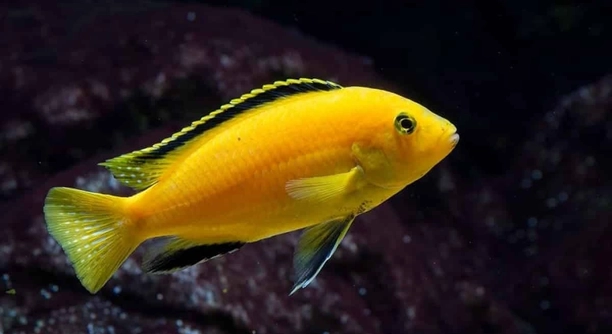
Have you ever set up a vibrant aquarium only to wonder whether your pleco and African cichlids can actually live together?
Keeping African cichlids with plecos is possible, but it depends on the pleco species and tank conditions. Compatibility improves with sufficient space, hiding spots, and proper water parameters tailored to meet both species’ specific needs.
Tank mates matter when building a peaceful setup. Learning their behavior, diet, and space preferences can make cohabitation safer and more enjoyable.
Understanding Compatibility Between African Cichlids and Plecos
African cichlids are known for their aggressive behavior, which can make tank mate selection tricky. Plecos, depending on the species, are usually peaceful bottom dwellers. While this difference in temperament may seem like a problem, it can work out with proper care. The key lies in choosing the right pleco species and setting up the tank thoughtfully. Bristlenose plecos are often the best choice, as they stay small and can hold their own. Avoid large or overly territorial plecos, like the common pleco, which can grow too big for most tanks. Adequate hiding places and proper water quality are essential. Cichlids tend to dominate the middle and upper levels of the tank, while plecos prefer staying near the bottom. This natural separation can help reduce conflicts when each fish has its own space to retreat and feed. Monitoring behavior early on is also important to prevent future problems.
Bristlenose plecos are more adaptable, making them better suited for life with African cichlids.
It’s also helpful to add rocks, driftwood, and caves to the setup. These decorations create boundaries, which give each fish a sense of territory. A tank size of at least 55 gallons is recommended to give everyone enough room. Water parameters must stay consistent—cichlids need higher pH levels, which many plecos can tolerate if they’re slowly acclimated. Make sure the tank stays clean, as poor water quality can quickly cause stress or illness for both types of fish. Feeding can be another issue if not managed well. Cichlids tend to eat fast, while plecos often feed at night. Consider using sinking algae wafers or placing food in spots only the pleco can reach. With the right setup and attention to details, it is possible for these species to share a tank peacefully, offering a diverse and lively aquarium experience.
Choosing the Right Pleco
Not all plecos can thrive with aggressive fish. Some grow too large, while others are too shy or sensitive.
When keeping plecos with African cichlids, selecting the right species is essential. Bristlenose plecos are often recommended because of their small size, hardy nature, and peaceful temperament. They also don’t outgrow the tank, unlike common plecos that can exceed 18 inches. Rubber lip plecos and clown plecos are smaller options, but they may be more sensitive to water changes or stress from cichlid aggression. Sailfin plecos, while beautiful, can grow quite large and may not tolerate the cichlid’s behavior long term. It’s best to avoid exotic or rare plecos unless you’re confident in managing their care with aggressive tank mates. Always research the pleco’s adult size, temperament, and water requirements. A peaceful and healthy tank depends heavily on this first step. Also, when adding a pleco to a tank with established cichlids, rearrange the tank slightly to disrupt existing territories and reduce potential aggression.
Tank Setup and Water Conditions
A large tank with stable water conditions is necessary. African cichlids prefer a higher pH, and plecos need clean, well-oxygenated water. Matching these needs helps reduce stress and prevents health problems for both fish.
African cichlids do best in hard, alkaline water with a pH between 7.8 and 8.6. Most plecos can adapt to this range if acclimated slowly. Maintain a temperature between 76°F and 82°F. Strong filtration is essential due to the heavy bioload both species produce. Use rocks and caves to create hiding spaces and territorial boundaries. Substrate should be sand or smooth gravel, as cichlids may dig. Include driftwood for the pleco, but keep in mind it can slightly lower pH. Routine water changes are necessary to keep ammonia and nitrate levels low. A canister filter or sponge filter can help maintain proper water flow and clarity, which keeps your tank safe and balanced.
Avoid sudden changes in water temperature or pH. Both species are sensitive to instability, which often leads to stress-related illness. Test water weekly using a reliable test kit, and aim to change 20–30% of the water every week. If using tap water, condition it to remove chlorine or chloramine. Using crushed coral or aragonite sand can help maintain high pH levels. Monitor aggression closely, especially during feeding or after rearranging decorations. If a cichlid shows constant chasing or nipping, it may help to add more hiding spots or increase the number of fish slightly to spread aggression. This kind of setup takes planning, but it allows both cichlids and plecos to live comfortably together.
Feeding and Behavior
Feeding time often reveals a lot about compatibility. African cichlids are fast and aggressive eaters, while plecos feed more slowly and often at night.
To ensure the pleco gets enough food, offer sinking wafers, blanched vegetables like zucchini, and algae tablets after lights go out. Some plecos also enjoy driftwood for grazing. Avoid relying solely on leftover food from the cichlids, as it may not meet the pleco’s needs. Feed cichlids a balanced diet of pellets, flakes, or frozen food with some vegetable matter. Separating food sources helps prevent competition. Watch for signs of stress—if the pleco hides constantly or looks thin, it may not be eating enough. Remove uneaten food to prevent water issues, and stick to a regular feeding schedule. This reduces food aggression and helps both species stay healthy. Balanced feeding is key to peaceful tank life, even if they don’t share meals at the same time.
Signs of Stress or Aggression
Watch for torn fins, hiding for long periods, or sudden color changes. These can all signal stress or bullying. Cichlids may also chase or nip if they feel their space is being invaded.
Plecos under stress may stop eating, become pale, or stay in one corner. If this happens, check water quality and tank layout.
Maintenance and Long-Term Care
Consistency keeps everything running smoothly. Stick to a weekly cleaning schedule and test water regularly. Vacuum the substrate during water changes to remove debris and uneaten food. Clean the filter monthly without removing all beneficial bacteria. Observe the fish during feeding and look for any changes in behavior. Over time, tank dynamics can shift. A peaceful setup can become tense if one fish grows too large or territorial. Rearranging decorations occasionally can reduce aggression by breaking up established boundaries. As fish age, their dietary needs may change too. Review and adjust their diet as needed. Stable conditions and close observation are key to long-term success.
Final Tips
Avoid overcrowding and always research new additions. More space and hiding places often solve behavior problems before they begin.
FAQ
Can plecos survive with African cichlids?
Yes, plecos can survive with African cichlids if the right species are chosen and the tank is properly set up. Bristlenose plecos are the most compatible because they are smaller, peaceful, and better able to avoid aggression. Large plecos may struggle or become targets.
What size tank is needed for cichlids and plecos?
A minimum of 55 gallons is recommended. This size allows enough space for territories and hiding places, which helps reduce stress and fights. Larger tanks make it easier to maintain stable water conditions and offer more room for both species to thrive.
How do I manage aggression between African cichlids and plecos?
Aggression can be managed by providing plenty of hiding spots, caves, and decorations. Rearranging the tank when adding new fish breaks up established territories. Keeping several cichlids together can spread aggression, making it less focused on one fish, including plecos.
What should I feed plecos in a tank with cichlids?
Plecos need more than leftover food. Offer sinking algae wafers, blanched vegetables like zucchini or cucumber, and driftwood for grazing. Feeding plecos after lights out helps them eat without competition from faster cichlids. Balanced diets for both fish support their health.
Can plecos and African cichlids share the same water parameters?
Generally, yes. African cichlids prefer hard, alkaline water with a pH of 7.8 to 8.6, which most plecos can tolerate. Consistency is key, and slow acclimation helps plecos adjust. Keep temperature between 76°F and 82°F, and maintain good filtration and water quality.
What are signs plecos are stressed in a cichlid tank?
Signs include hiding constantly, pale or faded colors, refusal to eat, and damaged fins. If these appear, check water quality first. Stress often comes from poor water conditions or aggressive tank mates. More hiding spaces and improved feeding routines may be needed.
Can I keep multiple plecos with African cichlids?
Yes, but space is crucial. Overcrowding can increase aggression and competition. Make sure the tank is large enough, with plenty of hiding spots and territories. Adding multiple plecos of the same species may lead to their own territorial disputes, so observe carefully.
Do plecos help keep the tank clean in a cichlid setup?
Plecos can help by eating algae and leftover food, but they should not be relied on as the main tank cleaners. Regular maintenance like water changes and substrate cleaning is essential. Overfeeding to support plecos can cause water quality issues if uneaten food accumulates.
Are there any pleco species to avoid with African cichlids?
Avoid large plecos like common plecos or sailfin plecos, which can grow too big and stress the tank environment. Some exotic species are sensitive and not well suited to aggressive tanks. Research each species’ adult size, temperament, and water needs before buying.
How often should I clean a tank with African cichlids and plecos?
Weekly water changes of 20-30% are recommended to maintain good water quality. Clean the substrate with a gravel vacuum and rinse filter media monthly without using tap water or harsh chemicals. Regular cleaning helps prevent stress and disease in both species.
Keeping African cichlids with plecos can work well when done carefully. It requires attention to the right species, tank size, and water conditions. Choosing smaller, peaceful plecos like bristlenose is important because they are less likely to be harmed or cause problems. Larger plecos may not do well with aggressive cichlids. The tank should be big enough to provide space for both fish to have their own territories. This helps reduce fights and stress, making it easier for the fish to coexist. Proper water parameters that suit both species are necessary to keep them healthy.
Tank setup plays a big role in how well plecos and African cichlids get along. Adding plenty of hiding spots, caves, and decorations gives fish places to retreat and claim territory. This lowers the chance of aggressive behavior and helps the plecos avoid direct conflict. It is also important to keep the tank clean with regular water changes and good filtration. Both species produce waste, and poor water quality can cause illness or stress. Feeding should be managed carefully to ensure plecos get enough food without competing too much with cichlids. Offering sinking algae wafers and vegetables at night helps plecos eat peacefully.
Patience and observation are key when housing these fish together. Every tank and fish are different, so watching how they behave will help you make adjustments as needed. Changes like rearranging tank decorations or increasing hiding spots may be necessary if aggression arises. Keeping a stable environment with consistent water conditions and a proper diet supports the health and happiness of both cichlids and plecos. When these factors are balanced, it is possible to enjoy a diverse and lively aquarium that showcases the unique traits of both species.

Hello,
If you enjoy the content that we create, please consider saying a "Thank You!" by leaving a tip.
Every little bit helps us continue crafting quality advice that supports the health, happiness, and well-being of pets around the world, for pets of all shapes, sizes, and species.
We really appreciate the kindness and support that you show us!