
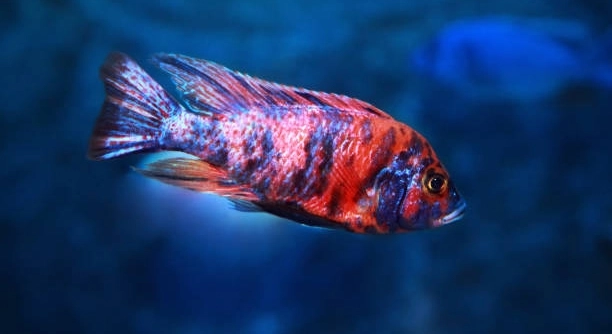
Moving African cichlids can be a stressful experience for both the fish and their owners. These vibrant fish are sensitive to changes in their environment, making calm handling essential during relocation. Knowing how to ease their stress helps maintain their health.
Keeping African cichlids calm during moves requires careful preparation and gentle handling. Reducing water temperature slightly, minimizing light exposure, and using proper transport containers can lower stress levels. Gradual acclimation to new conditions after moving is also crucial for their well-being.
Understanding these methods will help ensure a smoother transition for your cichlids and protect their health during moves. The following guidance covers practical steps to support your fish throughout the process.
Preparing Your African Cichlids for the Move
Before moving your African cichlids, preparation is key to reducing their stress. Start by observing their behavior and health to ensure they are ready for transport. A few days prior, avoid feeding them heavily to reduce waste in the transport container. Prepare a clean, sturdy container with enough water from their current tank to maintain familiar water conditions. Use a container that limits water movement but allows enough oxygen exchange. Dim the lights to create a calm environment, as bright lights can cause agitation. It’s also helpful to slightly lower the water temperature by a few degrees to slow their metabolism, which helps keep them calm during the move. Make sure to have all supplies ready, including a portable air pump if the move is long. The goal is to minimize changes in their environment and keep conditions as stable as possible.
Transport containers should be secure, with no chance of leaks or sudden temperature changes. Keep the container steady and avoid shaking it.
Careful preparation not only helps your cichlids stay calm but also prevents potential health problems. Ensuring they have familiar water and stable conditions reduces shock during transport. By managing light, temperature, and feeding before the move, you create a safer environment. This preparation makes the transition smoother and supports their recovery after relocation. Small steps before the move can make a significant difference in their overall well-being.
Handling and Transport Tips
Gentle handling is essential to keep your cichlids calm while moving. Always use a soft net to transfer them and avoid sudden movements.
During transport, keep the container in a shaded, stable area. Sudden temperature shifts or excessive vibrations can increase stress. Covering the container lightly with a towel helps reduce light and keeps the fish calm. If the move takes several hours, consider using an air pump or oxygen tablets to maintain oxygen levels. Avoid opening the container unnecessarily, as this disturbs the fish and changes water conditions.
Transporting cichlids requires steady care. Avoid rough handling, sudden temperature changes, and bright light. Use a well-secured container with enough water from their tank. These measures will help your fish remain calm and healthy during the move.
Settling Your African Cichlids in the New Tank
When placing your cichlids in their new tank, avoid sudden water changes. Use water from their transport container to help them adjust gradually. Keep the lighting low and maintain stable water temperature.
Introduce your cichlids slowly by floating the transport container in the new tank to equalize temperature. After 15–20 minutes, gradually add small amounts of new tank water to the container. This helps the fish adjust to different water chemistry. Once the water in the container is mostly from the new tank, gently release the fish. Avoid pouring the transport water directly into the tank to prevent contamination. Keep the environment quiet and calm to reduce stress.
Monitor the fish closely after moving. Watch for signs of stress like rapid breathing or hiding. Feed them lightly and avoid overfeeding. Maintain consistent water parameters and avoid strong water currents until they settle.
Managing Stress After the Move
Stress can weaken your cichlids’ immune system and make them vulnerable to illness. Minimizing stress is crucial in the first few days after relocation.
Provide a stable, calm environment with minimal disturbances. Keep water temperature and quality consistent and maintain regular feeding times. Avoid introducing new tank mates during this period. Adding natural hiding spots like rocks or plants can help fish feel secure. Monitor water parameters daily and perform small, frequent water changes if needed to keep the tank clean without causing shock.
If stress signs persist beyond a few days, consider consulting a vet or aquatic specialist. Early intervention can prevent serious health issues and support your fish’s recovery after the move.
Monitoring Water Quality Closely
Maintaining excellent water quality is essential during and after the move. Frequent testing for ammonia, nitrites, and nitrates helps prevent toxic buildup. Use water conditioners to neutralize harmful chemicals and support fish health.
Regular water changes, even small ones, keep the tank environment stable. Avoid drastic changes that could shock your cichlids during this sensitive time.
Adjusting Feeding Habits
After moving, reduce the amount of food given to your cichlids. Smaller, more frequent meals help their digestion and reduce water pollution. Avoid feeding for at least 24 hours immediately after the move to allow them to recover.
Using Stress-Reducing Additives
Certain aquarium additives can help lower stress levels in fish. Products containing natural calming agents support their immune system during transition periods. Use additives as directed and avoid overuse, which could upset the tank’s balance.
Avoiding Overhandling
Handling your cichlids too often after the move increases stress and slows recovery. Limit interaction to necessary maintenance only. Give your fish space and time to adapt quietly.
FAQ
How long does it take for African cichlids to settle after a move?
African cichlids usually take several days to a week to fully settle into a new tank. During this time, they may hide more or show reduced activity as they adjust to new water conditions and surroundings. Maintaining stable water parameters and a calm environment helps speed up this process.
What signs show my cichlids are stressed from the move?
Common signs include rapid gill movement, erratic swimming, hiding constantly, loss of appetite, and clamped fins. If you notice any of these behaviors, it means your fish are under stress. Adjusting tank conditions and minimizing disturbances can reduce these symptoms.
Can I use plastic bags for transporting African cichlids?
Plastic bags are often used for short trips but should be avoided for longer moves. Bags can easily leak or burst, and oxygen supply is limited. Using a sturdy container with a lid and proper aeration is safer for the fish’s well-being during transport.
Should I feed my cichlids right before moving them?
It is best to avoid feeding your cichlids 24 hours before the move. Feeding right before transport increases waste in the water, which can harm the fish during the move. A light feeding schedule before moving helps reduce water contamination in the container.
How do I acclimate cichlids to the new tank after moving?
Float the transport container in the new tank for 15–20 minutes to equalize temperature. Then, add small amounts of new tank water to the container gradually over 30–45 minutes. This helps the fish adjust to differences in water chemistry. Finally, gently release them into the tank.
What water parameters are best for African cichlids during a move?
Keep water temperature slightly lower than usual (around 72–76°F) to slow metabolism and reduce stress. Maintain stable pH levels close to their original tank, generally between 7.8 and 8.6. Avoid sudden changes in ammonia or nitrate levels by using water from their original tank in transport containers.
How important is lighting during the move?
Dim lighting during transport helps keep cichlids calm. Bright lights can cause agitation and increase stress. Covering the transport container with a towel or cloth reduces light exposure and creates a more secure environment for the fish.
Can I add stress relief products to the transport water?
Yes, some stress relief additives can help calm fish during transport. These products contain natural ingredients that support fish health and reduce anxiety. Use them according to the instructions and avoid overusing to maintain water quality.
What should I do if my cichlids show signs of illness after moving?
If illness appears, isolate affected fish if possible to prevent spread. Check water parameters immediately and perform partial water changes to improve conditions. Consult a veterinarian or aquatic specialist for treatment advice based on symptoms.
Is it safe to move multiple cichlids together?
Moving several cichlids together is possible but increases stress risk. Overcrowding in transport containers leads to poor water quality and aggression. Use appropriately sized containers with sufficient water and oxygen for the number of fish to keep them calm.
How can I reduce aggression among cichlids after a move?
Provide plenty of hiding spots and visual barriers to reduce territorial disputes. Rearranging tank decorations after moving may help reset territories. Feed fish regularly to avoid food-related aggression and monitor closely for signs of bullying.
Should I change the tank setup immediately after moving?
Avoid major changes to the tank setup right after moving. Sudden changes in decor or substrate can add to stress. Allow the cichlids to acclimate to the new environment before making adjustments over time.
How do temperature changes affect cichlids during moves?
Sudden temperature changes can shock fish and weaken their immune system. Keeping water temperature stable and slightly cooler during transport helps reduce metabolic demands and stress.
What is the best way to handle cichlids during transfer?
Use a soft net and gentle movements to minimize injury and stress. Avoid squeezing or sudden jerks. Handling should be limited to necessary moments only, such as moving fish into containers or the new tank.
Can cichlids survive long moves without aeration?
For short moves under one hour, oxygen levels in transport water may be sufficient. For longer trips, aeration through air pumps or oxygen tablets is important to prevent oxygen depletion and keep fish healthy.
How do I clean the transport container after moving?
Rinse the container thoroughly with warm water without soap or chemicals. Avoid harsh cleaners that can leave residues harmful to fish. Regular cleaning helps prevent disease and keeps equipment safe for future use.
Are certain species of African cichlids more sensitive to moving stress?
Some species, especially those with more aggressive or territorial behavior, can be more sensitive to moving stress. It’s important to research your specific species and adjust care and transport methods accordingly.
How often should I test water quality after moving cichlids?
Test water daily for the first week after moving. Watch ammonia, nitrite, nitrate, pH, and temperature levels closely. Early detection of water quality issues helps prevent health problems.
Is it necessary to quarantine cichlids after moving them?
Quarantine is recommended if the move involves mixing fish from different tanks or introducing new fish. It helps monitor for illness and reduces the risk of spreading disease.
What role does tank size play in keeping cichlids calm during moves?
A properly sized transport container reduces crowding and stress. Too small a container can lead to poor water quality and increased aggression. Choose a container that allows enough space for fish to swim comfortably but limits excessive water movement.
Final Thoughts
Moving African cichlids can be challenging, but careful planning makes a big difference. These fish are sensitive to changes in their environment, so reducing stress during a move is important for their health. Preparing the right transport container, controlling water temperature, and handling the fish gently help keep them calm. Taking time to acclimate them slowly to the new tank also supports a smooth transition. Small actions before, during, and after the move can improve their well-being and reduce the risk of illness.
After moving, monitoring water quality is essential. Stress can weaken your cichlids’ immune system, making them vulnerable to infections. Testing water parameters like ammonia, nitrites, and pH regularly ensures the environment stays safe for your fish. Keeping lighting low and providing hiding places helps create a calm space while they adjust. Feeding should be done lightly and carefully to avoid water pollution. Being attentive to your fish’s behavior during this period helps you notice signs of stress early and take action if needed.
Overall, patience is key when moving African cichlids. Avoid rushing the process or making sudden changes to their tank setup. Giving your fish time to settle and recover makes a significant difference. Following these steps not only protects your cichlids during relocation but also strengthens their long-term health. With the right approach, moving your African cichlids can be a smooth experience that keeps them calm and safe.

Hello,
If you enjoy the content that we create, please consider saying a "Thank You!" by leaving a tip.
Every little bit helps us continue crafting quality advice that supports the health, happiness, and well-being of pets around the world, for pets of all shapes, sizes, and species.
We really appreciate the kindness and support that you show us!