
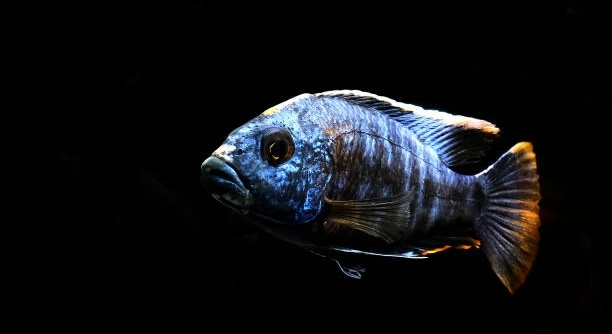
Many African cichlid owners face the challenge of their fish refusing to eat. This can be worrying, especially when you want your aquarium pets to stay healthy and active. Understanding why this happens is important for their care.
African cichlids may stop eating due to stress, poor water quality, illness, or improper diet. Each factor disrupts their natural feeding behavior and requires specific adjustments to restore normal eating habits effectively.
Learning about these causes and solutions will help improve your cichlid’s health. This article offers practical tips to get your fish eating well again.
Common Reasons Your African Cichlid Won’t Eat
One of the most frequent reasons African cichlids stop eating is stress. Changes in their environment, such as new tank mates, sudden water temperature shifts, or frequent handling, can cause anxiety. Stress weakens their immune system and suppresses appetite. Another reason is poor water quality. High levels of ammonia, nitrites, or nitrates can make your fish feel unwell and stop feeding. Illness also plays a major role; infections or parasites can cause discomfort that leads to loss of appetite. Finally, an improper diet might turn your cichlid away from food. Some species have specific nutritional needs, and offering the wrong type of food can reduce their interest in eating. Identifying the exact reason helps in providing the right care and improving their appetite.
A clean, stable environment and proper diet are essential to keeping your cichlid healthy and willing to eat regularly.
When you notice your fish refusing food, test the water first. Make sure all parameters like pH, ammonia, nitrite, and nitrate levels are within safe ranges. Next, observe their behavior and check for signs of illness such as discoloration or lethargy. Adjust the diet to include foods suited for their species, offering variety in protein and vegetable matter. Sometimes, simply reducing stress by rearranging the tank decorations or separating aggressive fish can help your cichlid feel safe and ready to eat again.
Adjusting Diet and Feeding Habits
Changing what and how you feed your African cichlid can make a big difference. Feeding the right food in the right amount supports their health and encourages eating.
African cichlids need a balanced diet with both plant and animal matter depending on their species. Overfeeding can lead to poor water quality, which stresses fish and reduces appetite. Feeding small portions two to three times a day is best. Varying the diet by including flakes, pellets, and frozen or live foods helps keep their interest. Avoid feeding human food or bread, which can upset their digestive system. Some cichlids prefer algae or vegetables, so try adding blanched spinach or spirulina flakes. Watch their reactions and adjust accordingly. Keeping a consistent feeding schedule also helps fish learn when to expect food, reducing stress and improving appetite over time. Regularly removing uneaten food prevents water pollution and keeps the tank environment healthy for your fish.
Improving Water Quality
Water quality affects your cichlid’s appetite directly. Clean water reduces stress and illness, encouraging healthy eating habits.
Test your tank water regularly to keep ammonia, nitrite, and nitrate levels safe. Change 20-30% of the water weekly to maintain freshness. Avoid overfeeding, as leftover food increases waste and harms water quality. Use a good filter that suits the tank size and species. Clean the filter media gently to preserve beneficial bacteria. Removing debris and waste from the tank bottom also helps keep water clear and healthy for your fish.
Maintaining stable water temperature is important too. Sudden changes can shock cichlids and make them stop eating. Keep the tank temperature within the recommended range for your species, usually between 75°F and 82°F. Use a reliable heater and thermometer to monitor the temperature. Stable water conditions create a comfortable environment that supports your fish’s health and appetite.
Recognizing Illness and Stress Signs
Changes in behavior or appearance often signal illness or stress in cichlids. Look for unusual swimming, discoloration, or hiding.
Stress weakens the immune system, making fish more vulnerable to infections. Common signs include clamped fins, rapid breathing, and loss of color. Illness symptoms can be white spots, swelling, or sores. Early detection is crucial to prevent worsening conditions. Quarantine sick fish to avoid spreading disease and treat them promptly with appropriate medications. Regular observation and quick response help keep your cichlids healthy and eating well.
Tank Mates and Aggression
Aggressive tank mates can stress African cichlids, causing them to stop eating. Territorial disputes often lead to bullying and hiding. Separating aggressive fish or providing plenty of hiding spots helps reduce stress and encourages feeding.
Keeping compatible species together is key to a peaceful tank.
Feeding During Illness
When a cichlid is sick, it might refuse food. Offering easy-to-digest foods like boiled peas or specially formulated medicated pellets can help. Reduce feeding frequency to avoid stressing their digestive system while still providing necessary nutrients. Patience is important during recovery.
Light and Environment
Proper lighting affects cichlid behavior and appetite. Too much light can cause stress, while too little may reduce activity. Use a balanced light schedule, around 8 to 10 hours daily, to mimic natural conditions and support healthy feeding habits.
FAQ
Why is my African cichlid not eating even though the water quality is good?
Even if water quality is excellent, stress from tank mates or sudden changes in environment can cause loss of appetite. Illness or internal parasites might also be the issue. Checking for signs like lethargy, color changes, or unusual swimming patterns can help identify health problems. Adjusting tank setup and observing behavior closely often helps improve feeding.
Can overfeeding cause my cichlid to stop eating?
Yes, overfeeding can reduce appetite. Leftover food decays and lowers water quality, making fish uncomfortable and less likely to eat. Feeding smaller portions at regular intervals encourages consistent appetite and keeps the tank cleaner.
How long can African cichlids go without eating?
Healthy cichlids can survive several days without food, but longer fasting can weaken them. A day or two without eating may not be harmful, but more than three days requires attention to tank conditions, diet, and health.
What type of food is best for picky African cichlids?
A mix of high-quality pellets, flakes, frozen or live foods like brine shrimp or bloodworms works well. Including vegetables such as spinach or spirulina flakes suits herbivorous species. Variety keeps cichlids interested and ensures balanced nutrition.
How does tank size affect feeding behavior?
Smaller tanks can increase stress due to limited space and aggression, reducing appetite. Larger tanks with enough hiding spots and territories help fish feel secure and promote regular eating habits.
Can water temperature changes cause my cichlid to stop eating?
Yes, sudden or extreme temperature changes stress cichlids and slow metabolism, leading to reduced feeding. Maintaining stable temperatures between 75°F and 82°F helps keep appetite steady.
Is it normal for African cichlids to stop eating before breeding?
Yes, many cichlids reduce feeding during spawning periods. This is a natural behavior and usually temporary. After breeding, their appetite typically returns.
What should I do if my cichlid refuses food but shows no signs of illness?
Try offering different types of food or live options to stimulate interest. Check tank environment for hidden stressors like aggressive fish or poor water parameters. Sometimes gradual changes in diet and environment improve feeding.
How often should I clean the tank to keep my cichlid eating well?
Perform weekly water changes of 20-30% and clean filters monthly or as needed. Regular cleaning prevents toxins buildup and maintains a healthy environment that supports feeding.
Can lighting affect my cichlid’s appetite?
Yes, improper lighting can cause stress. Too bright or too dim light disrupts natural behaviors, including feeding. A balanced light schedule of 8-10 hours daily usually works best.
How can I tell if my cichlid is stressed?
Signs include hiding often, clamped fins, color fading, rapid breathing, and loss of appetite. Stress can weaken immune response, so it’s important to address causes promptly.
Will adding plants to the tank help my cichlid eat better?
Plants provide hiding spots and reduce stress, which can improve appetite. However, some cichlid species may uproot plants, so choose hardy species or use artificial plants.
Is fasting beneficial for African cichlids?
Occasional fasting, like skipping feeding one day a week, can help digestion and prevent overfeeding issues. Avoid prolonged fasting as it can weaken fish.
How do I treat my cichlid if illness is causing loss of appetite?
Isolate the sick fish and use appropriate medications based on symptoms. Maintaining good water quality and a nutritious diet supports recovery.
Can new tank decorations cause feeding issues?
Yes, new decorations can stress fish if they change territory or hiding places. Introduce new items slowly and watch for behavior changes.
African cichlids are beautiful and active fish that bring life to any aquarium. When they stop eating, it can feel worrying, but this behavior often points to common issues that can be fixed. Paying close attention to water quality, tank environment, and diet is important for their well-being. Healthy water with balanced parameters helps reduce stress and supports a good appetite. Making regular water changes and cleaning the tank can prevent many problems before they start. Also, keeping an eye on the tank temperature and lighting helps create a comfortable space where your cichlids feel safe and ready to eat.
Understanding your fish’s needs is key to preventing and solving feeding problems. African cichlids come from different habitats, so their dietary needs can vary. Some prefer more plant-based food, while others need a diet richer in protein. Offering a variety of foods can help keep them interested and ensure they get the nutrients they need. It’s also important not to overfeed, as too much leftover food can pollute the water and make fish sick. Feeding smaller portions several times a day is a good approach. Watching their behavior closely allows you to notice when something feels off, so you can make changes quickly.
Sometimes, even with the best care, fish may stop eating because of stress, illness, or changes in their environment. In these cases, patience is necessary. Isolating sick fish, treating illnesses early, and reducing stress by providing hiding places or adjusting tank mates can help your cichlids recover their appetite. Remember that sudden changes should be avoided to keep your fish comfortable. With time, attention, and care, most African cichlids will return to healthy eating habits. Taking these steps will help ensure your fish stay strong, happy, and vibrant in their home.

Hello,
If you enjoy the content that we create, please consider saying a "Thank You!" by leaving a tip.
Every little bit helps us continue crafting quality advice that supports the health, happiness, and well-being of pets around the world, for pets of all shapes, sizes, and species.
We really appreciate the kindness and support that you show us!