
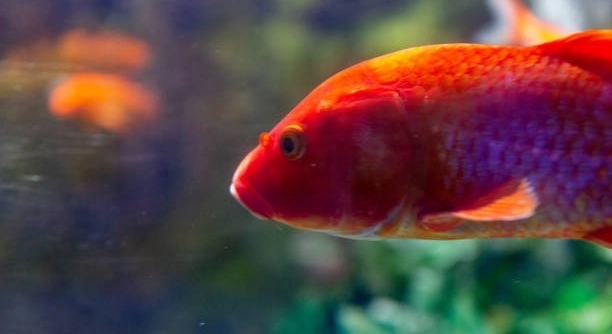
Are your African cichlids constantly fighting and causing stress in your aquarium? These colorful fish are known for their territorial behavior, which can lead to aggression if not managed well. Controlling their fighting is important for a peaceful tank environment.
To stop African cichlids from fighting, it is essential to provide ample space, create hiding spots, maintain proper water conditions, avoid overcrowding, introduce compatible species, feed them well, and monitor their behavior regularly. These measures reduce aggression and promote harmony.
Understanding these key steps will help you maintain a healthier, calmer aquarium. The following tips offer practical ways to improve your fish’s environment and reduce conflict among your cichlids.
Provide Plenty of Space for Each Fish
African cichlids are territorial by nature, so giving each fish enough room is one of the best ways to reduce fighting. A crowded tank makes fish feel threatened, leading to aggression. It’s important to have a tank size that matches the number of cichlids you keep. A general rule is to have at least 30 gallons for the first cichlid and 10 more gallons for each additional one. Adding more space lets fish establish their own territories and reduces the chance of them bumping into each other. The layout of the tank also matters. Arrange rocks, caves, and decorations to create separate zones and visual barriers. This setup helps break sight lines between fish, which can lower stress and territorial disputes. Watching your fish settle into their areas shows that they feel secure, which means less fighting and a calmer tank environment.
Providing ample space prevents constant confrontations and allows cichlids to coexist peacefully.
Planning tank size and decoration carefully is key to a happier aquarium and fewer fights among your fish.
Create Hiding Spots and Visual Barriers
Hiding places and barriers make fish feel safer and reduce aggression. Rocks, caves, plants, and decorations can all serve as shelters. These spots let shy or weaker fish escape from more dominant ones. Visual barriers prevent fish from always seeing each other, which helps lower tension. When fish can hide or break the line of sight, they tend to be less aggressive because they don’t feel constantly challenged. Try to build a natural environment with plenty of nooks and crannies. Avoid leaving the tank too open or empty, as this can increase stress and fighting. Changing the tank layout from time to time can also reset territorial claims and reduce ongoing conflicts. By offering places to retreat, you support the well-being of all your cichlids and improve the tank’s overall harmony.
Maintain Proper Water Conditions
Keeping the water clean and stable reduces stress, which helps prevent aggression. Regular testing and maintenance are essential.
Good water quality supports the health of African cichlids, making them less likely to act aggressively. Regular water changes, proper filtration, and monitoring parameters like pH, temperature, and ammonia levels create a stable environment. African cichlids prefer a pH between 7.8 and 8.6 and a temperature of 75-82°F. Sudden changes or poor water conditions cause stress, leading to fighting. Consistent care reduces these risks and keeps fish comfortable.
In addition to chemical balance, removing uneaten food and waste helps maintain clarity and prevents toxic buildup. A clean tank encourages natural behavior and calmer interactions. Using a reliable filter suited to your tank size and performing partial water changes weekly or biweekly keeps the water fresh. This ongoing effort helps your cichlids stay healthy and lowers the chance of conflicts due to stress or illness.
Avoid Overcrowding in the Aquarium
Overcrowding increases competition and aggression among cichlids. Keeping a balanced number prevents this.
Too many fish in one tank cause stress, which triggers territorial fights. African cichlids need enough space to swim freely and claim their areas. Overcrowding leads to constant contact and competition for resources like food and hiding spots. This pressure heightens aggression and can cause injuries. Maintaining the right number of fish for your tank size is important to avoid these problems.
To keep aggression low, consider the adult size of your cichlids when stocking your aquarium. Avoid adding too many fish at once and monitor their behavior closely. If you notice increased fighting, reducing the number or rearranging the tank may help. Giving fish enough room encourages natural social structures, making it easier for them to live together peacefully.
Introduce Compatible Species
Choosing tank mates carefully reduces aggression among African cichlids. Compatible species share similar temperaments and water needs.
Mixing cichlids with aggressive or very different fish can cause stress and fights. Selecting species that tolerate each other helps maintain peace. Avoid slow-moving or delicate fish that may become targets.
Feed Your Cichlids Properly
A well-fed cichlid is less likely to fight over food. Provide a balanced diet with quality pellets, flakes, and occasional live or frozen foods. Feeding several small meals daily helps reduce competition and aggression during feeding time.
Monitor Behavior Regularly
Watching your fish helps catch early signs of aggression or stress. Quick action can prevent serious injuries or ongoing fights. Regular observation is key to a healthy aquarium environment.
FAQ
Why do African cichlids fight so much?
African cichlids are naturally territorial. Fighting usually happens when they try to defend their space, especially in small or crowded tanks. Aggression can also increase during breeding, as males protect their nests. Providing enough space and hiding spots helps reduce this behavior.
How can I tell if the fighting is serious?
Serious fighting causes visible injuries like torn fins, missing scales, or bleeding. If fish are constantly chasing or biting each other, it’s a problem. Minor scuffles are normal, but ongoing attacks need intervention to prevent harm.
Is it better to keep only one species of cichlid?
Keeping one species can lower aggression since fish have similar behaviors and social structures. Mixing species sometimes works but requires careful research on compatibility. Some species are more aggressive and don’t get along well with others.
How often should I change the water to prevent fights?
Regular water changes help reduce stress. Changing 20-30% of the water every one to two weeks keeps water quality high. Cleaner water means healthier fish, which lowers aggression and fighting.
Can rearranging the tank reduce fighting?
Yes. Changing decorations and hiding spots disrupts established territories. This forces fish to re-establish boundaries, which often calms aggressive behavior. Rearrange every few weeks or when fighting gets worse.
What do I do if one fish keeps bullying others?
If one fish is overly aggressive, try separating it temporarily. You can also add more hiding places or increase tank size. Sometimes, removing the bully is necessary to protect the other fish.
Does the size of the tank matter for cichlid aggression?
Tank size is very important. Small tanks cause stress and fights because fish have no personal space. Bigger tanks let fish spread out and reduce encounters, which lowers aggression. Follow recommended tank sizes for your cichlid species.
Should I feed my cichlids more to stop fighting?
Feeding more often in smaller amounts can help. Hungry fish tend to fight over food, so providing enough food reduces this. Use high-quality pellets and supplement with live or frozen food to keep them satisfied.
Can water parameters cause aggression?
Poor water quality stresses fish and can increase fighting. Maintaining proper pH, temperature, and cleanliness keeps fish healthy and less aggressive. African cichlids thrive in alkaline water with stable temperatures around 75-82°F.
Is it normal for male cichlids to be more aggressive than females?
Yes. Male cichlids are typically more territorial and aggressive, especially during breeding. Females usually show less aggression, but they can defend their nests too. Understanding this helps in managing tank dynamics.
Can plants help reduce aggression in cichlid tanks?
Plants provide hiding spots and break sight lines, which helps lower aggression. However, many African cichlids may uproot or eat plants. Using hardy or artificial plants can provide cover without damage.
How many cichlids should I keep in one tank?
This depends on tank size and species. Overcrowding leads to fights. A general rule is one fish per 10 gallons after the first 30 gallons. Research your species’ adult size to avoid keeping too many fish.
Is it okay to keep cichlids with other types of fish?
It can be tricky. Cichlids may bully or stress smaller or slower fish. Choose tank mates with similar size and temperament. Always monitor interactions to avoid problems.
What signs show that a fish is stressed from fighting?
Stress signs include hiding, loss of appetite, faded colors, and sluggish behavior. Stress lowers immunity, making fish prone to disease. Address causes of fighting quickly to reduce stress.
Can breeding increase aggression among cichlids?
Yes, breeding triggers strong territorial behavior, especially in males protecting eggs or fry. Providing extra hiding spots and space during breeding can reduce fights.
What equipment helps reduce cichlid aggression?
A good filtration system maintains clean water and reduces stress. Proper lighting and adequate aeration support healthy fish. Decorations like rocks and caves create territories and hiding places.
Should I quarantine new fish to prevent aggression?
Quarantining new fish helps avoid disease but does not stop aggression by itself. Introducing new fish carefully, with plenty of hiding spots and space, reduces fighting risks.
How do I know if my tank setup encourages aggression?
If fights are frequent and injuries happen, the setup may be causing stress. Small tanks, lack of hiding spots, or poor water quality often lead to aggression. Adjusting these factors improves harmony.
Can adding more fish reduce aggression?
Adding more fish sometimes spreads aggression but can also increase stress if overcrowded. It works best when tank size supports the extra fish and there are enough hiding places.
What is the best way to stop cichlids from bullying weaker fish?
Provide hiding places and space, keep compatible species, and monitor behavior. If bullying continues, separate the aggressive fish to protect others.
How long does it take for cichlids to settle and stop fighting?
It varies by species and tank conditions. Usually, fish settle within a few weeks as they establish territories. Rearranging decorations can help speed this process.
Can diet affect cichlid aggression?
Yes. Poor nutrition can cause irritability. A balanced diet with proteins, vegetables, and vitamins helps keep fish calm and healthy.
Are there any safe medications to reduce aggression?
No medications directly reduce aggression. Stress reduction through tank management is safer and more effective. Using drugs without cause can harm fish.
Is lighting important in controlling cichlid fights?
Lighting affects fish behavior. Too bright or inconsistent lighting can stress fish and trigger aggression. Use stable, moderate lighting to keep fish calm.
What role does tank decoration play in fish behavior?
Decoration defines territories and provides refuge. Proper arrangement reduces visibility between fish and limits aggression by giving each fish space to claim.
How often should I observe my cichlids for signs of fighting?
Daily or every time you feed them is ideal. Early detection of fights helps prevent injuries and stress.
Can cichlids live peacefully in a community tank?
With careful species selection, enough space, and proper setup, some cichlids can coexist peacefully with other fish. It requires ongoing attention and care.
African cichlids are beautiful and active fish, but their natural territorial instincts can lead to fighting in the aquarium. Managing their aggression is important for both the health of the fish and the enjoyment of the tank owner. By providing enough space, proper hiding spots, and keeping water conditions stable, it is possible to reduce conflicts and create a calmer environment. Understanding the behavior of these fish helps in setting up an aquarium that meets their needs and keeps them comfortable.
One key to reducing aggression is maintaining the right balance in the tank. Overcrowding and poor water quality often increase stress and trigger fights. Keeping the tank clean, feeding the fish well, and monitoring their behavior regularly can prevent problems before they start. Introducing compatible species and rearranging tank decorations can also help break up territories and lower tension. These simple but effective steps make a big difference in the overall peace and well-being of the cichlids.
It is important to remember that some level of aggression is normal for African cichlids. Minor disputes are part of their natural behavior and often do not cause harm. However, when fights become serious, taking action quickly protects the fish from injury. Keeping a close eye on the tank and adjusting conditions as needed will support a healthy and peaceful aquarium. With careful care and attention, you can enjoy the vibrant colors and lively personalities of African cichlids without constant fighting.

Hello,
If you enjoy the content that we create, please consider saying a "Thank You!" by leaving a tip.
Every little bit helps us continue crafting quality advice that supports the health, happiness, and well-being of pets around the world, for pets of all shapes, sizes, and species.
We really appreciate the kindness and support that you show us!