
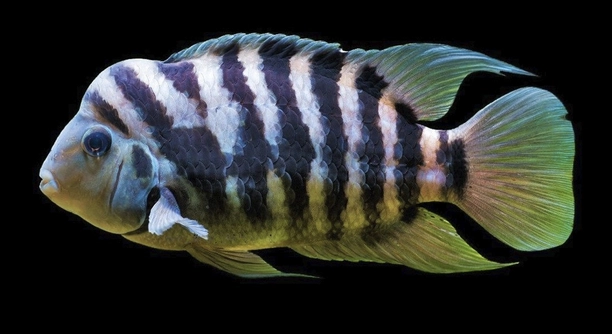
African cichlids are popular aquarium fish known for their vibrant colors and unique behaviors. Watching these fish closely can reveal important signs when they are ready to breed. Understanding these signs helps you prepare for their breeding process.
Breeding readiness in African cichlids is often indicated by changes in behavior, coloration, and physical condition. Key signs include increased territorial aggression, vibrant color display, nesting activity, and specific courtship movements. Recognizing these signs early supports successful breeding management.
Knowing these signs will help you support your cichlids through breeding and better care for their needs during this time. It’s helpful to be prepared for what’s coming next in your aquarium.
Increased Territorial Behavior
When African cichlids are preparing to breed, their territorial behavior often becomes more intense. Males especially start defending their chosen spots aggressively, chasing away other fish that come too close. This behavior helps them secure a safe area for mating and for females to lay eggs. You might notice frequent chasing or even some mild fights. It is a clear sign they are getting ready to reproduce. Observing this behavior early can help you decide when to give the breeding pair more space or separate other fish to reduce stress.
Territorial aggression serves to protect breeding sites and potential offspring from threats within the tank environment.
Managing territorial fish involves providing plenty of hiding spaces and considering tank layout adjustments to minimize conflicts and support a successful breeding process.
Color Changes
Color shifts in African cichlids are another clear indicator of breeding readiness. Males typically show brighter and more vibrant colors to attract females and signal dominance. These changes are often dramatic and hard to miss, making it easier to identify when the fish are ready to mate. Females may also show subtle color changes, especially around the belly area, signaling that they are ready to spawn. This visual display plays a key role in the courtship process and overall breeding success. Monitoring these changes can help you anticipate breeding activity.
Color changes are a natural part of their reproductive cycle and reflect hormonal shifts that prepare the fish for mating.
During this time, providing a stable environment with good water quality and proper nutrition helps maintain their vibrant colors and overall health.
Nesting Activity and Courtship Movements
Nesting behavior is a vital part of African cichlid breeding. Males often clear out specific spots on rocks, gravel, or decorations to create nests. They will dig and rearrange the substrate to make a suitable area for eggs. This behavior is usually accompanied by unique courtship movements such as fin flaring, head shaking, and circling the female. These actions encourage the female to lay eggs in the prepared nest. Watching these patterns gives clear clues about the timing of breeding and allows you to support the process by minimizing disturbances. Nest building and courtship are essential for successful reproduction.
Providing appropriate materials and enough space for nesting helps facilitate breeding and supports natural behaviors in your aquarium.
Recognizing and respecting these behaviors can lead to healthier breeding outcomes and stronger fry development.
Changes in Appetite
African cichlids often show a noticeable change in appetite before breeding. Some fish may eat less as their bodies prepare for spawning, while others might increase their food intake to build energy reserves. Monitoring their eating habits can give clues about their reproductive status.
A decrease in appetite usually means the fish are focusing energy on reproductive processes, preparing internally for breeding. This is common among many fish species and is not a cause for immediate concern. On the other hand, increased eating helps them gain strength for the demanding task ahead. Adjusting feeding schedules and offering high-quality foods can support their health during this period.
Careful observation of feeding behavior is important. Offering nutrient-rich food like live or frozen items supports energy needs and boosts breeding success. Avoid overfeeding, as water quality is crucial when fish are breeding.
Physical Changes in Females
Female African cichlids exhibit specific physical changes before breeding, especially around the belly. Their abdomen may swell visibly as eggs develop, making it easier to identify readiness. This swelling is a sign that the female is nearing spawning time and needs a calm environment.
In addition to belly swelling, females might also show subtle color shifts, often darker or more intense near the vent area. These changes signal to males that the female is ready for mating. Monitoring these physical signs helps in planning tank arrangements and ensuring the female’s comfort. Reducing stress and maintaining stable water parameters support healthy egg development.
Increased Cleaning Behavior
Before breeding, African cichlids often spend more time cleaning their chosen nesting sites. This behavior involves scraping and clearing surfaces to prepare a safe area for eggs. It is a clear indication that they are ready to breed and want to create the best conditions possible.
Cleaning the nesting spot helps reduce the risk of infection and ensures the eggs have a clean surface to attach to. It also signals to the female that the male is ready to mate and has prepared a suitable site.
Vocalizations and Sounds
Some African cichlids produce subtle sounds or vibrations during courtship and breeding preparation. These noises are usually low-frequency and can be felt more than heard. They play a role in communication between mates, strengthening the breeding bond. Observing these behaviors helps confirm breeding readiness and can provide insight into the fish’s interaction patterns during this important time.
Reduced Interaction with Other Fish
As breeding approaches, some African cichlids may avoid contact with other fish outside their chosen partner. This helps reduce stress and competition, allowing them to focus on mating and nest protection.
Mouthbrooding Preparation
Mouthbrooding species begin preparing by swallowing eggs shortly after spawning and protecting them in their mouths until the fry are ready.
How can I tell if my African cichlid is ready to breed?
African cichlids show several clear signs before breeding. Look for increased territorial behavior, bright color changes, and nesting activity such as digging or cleaning a spot. Females may have a swollen belly indicating egg development. Watching these behaviors closely gives a good idea when breeding is near.
What should I do to prepare the tank for breeding?
Provide plenty of hiding places and maintain excellent water quality. Clear space around the nesting area to reduce stress and conflicts. Use a stable temperature and keep feeding high-quality food to boost fish health. These steps help create an environment where cichlids can breed successfully.
Why is my African cichlid’s color suddenly brighter?
Brightening colors are a natural breeding signal, mostly in males. It indicates dominance and readiness to attract a mate. This color change results from hormonal shifts that happen before spawning. It’s a good sign your fish is preparing to breed.
Is aggressive behavior always a bad sign during breeding?
Not necessarily. Increased aggression is common as males defend their territories. It helps protect nesting sites and potential eggs or fry. However, excessive aggression can harm other fish. Monitor interactions and separate overly aggressive individuals if needed.
How long does the breeding process take?
The timeline varies but usually starts with nest building and courtship that can last several days. Spawning itself is quick, but guarding and caring for eggs or fry can take weeks. Mouthbrooding species protect their young in their mouths for up to three weeks.
What should I feed my cichlids during breeding?
Feed them a balanced diet rich in protein to support energy needs. Live or frozen foods like brine shrimp, bloodworms, and high-quality pellets work well. Avoid overfeeding, but keep the fish nourished to maintain vibrant colors and healthy reproduction.
Can all African cichlids breed in community tanks?
Breeding in community tanks is possible but challenging. Aggression and stress from other fish may interfere with mating. For better success, consider a separate breeding tank or isolate the pair during the breeding period.
How do I care for the fry after hatching?
Fry require clean water and frequent small feedings of specialized food like powdered fry food or newly hatched brine shrimp. Keep them in a safe, low-stress environment away from adults. Regular water changes and good filtration support their growth.
What if my cichlids don’t show breeding signs?
Lack of breeding signs could result from poor water quality, insufficient space, or incompatible tank mates. Check water parameters and tank conditions. Providing better nutrition and a calm environment often encourages breeding behavior.
Are there any special considerations for mouthbrooding cichlids?
Mouthbrooders carry eggs and fry in their mouths for protection. Avoid stressing the brooding parent and limit tank disturbances. Provide soft, fine food for fry once released. Mouthbrooding requires patience and gentle care to ensure survival.
African cichlids are fascinating fish, especially when they show signs of breeding. Recognizing these signs helps create the right conditions to support their natural behaviors. From changes in color and appetite to increased territorial actions and nesting activities, each sign offers valuable information about what the fish need. Understanding these behaviors can improve your ability to care for them during this important time. It also helps reduce stress for both the fish and yourself as you prepare for the breeding process.
Providing a stable and clean environment is crucial for successful breeding. Good water quality, proper nutrition, and enough space for territory and nesting make a significant difference. African cichlids can be sensitive to changes, so keeping the tank environment consistent supports their health and breeding readiness. Observing the fish daily helps you notice small changes early, allowing you to adjust care as needed. Paying attention to their behavior and physical condition helps you avoid problems and creates a safer space for breeding and raising fry.
Breeding African cichlids requires patience and care. It is important to allow them to follow their natural instincts without too much interference. Supporting them with a well-maintained tank and proper feeding can encourage successful spawning and healthy offspring. While breeding can bring challenges, such as aggression or territorial disputes, managing these with thoughtful tank setups and monitoring will help maintain balance. Overall, knowing the signs and preparing your tank well improves the chances of a smooth and rewarding breeding experience.

Hello,
If you enjoy the content that we create, please consider saying a "Thank You!" by leaving a tip.
Every little bit helps us continue crafting quality advice that supports the health, happiness, and well-being of pets around the world, for pets of all shapes, sizes, and species.
We really appreciate the kindness and support that you show us!