
Is your African cichlid swimming actively, eating well, and showing off bright colors, but you’re not sure if that means it’s truly happy?
A happy African cichlid displays vibrant coloration, consistent appetite, active swimming, social interaction with tank mates, and regular breeding behavior. These behaviors signal good health and comfort, indicating the fish is thriving in its environment.
Learn what each of these signs really means and how small changes in behavior can reveal how your fish feels.
Bright and Vibrant Coloration
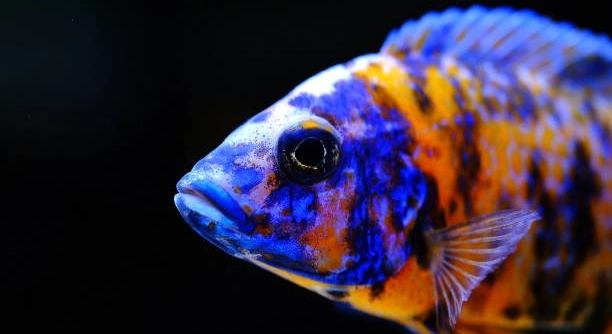
Healthy coloration is one of the easiest signs to notice in a happy African cichlid. When your fish is content, its colors appear more intense and defined, especially during feeding or breeding. Pale or faded hues can suggest stress, illness, or poor water conditions. Bright colors often reflect a well-maintained tank, balanced diet, and stable social environment. Cichlids also use color changes to communicate with other fish, so vibrant tones can indicate confidence and readiness to interact. Proper lighting, clean water, and the right tank setup all help bring out these colors naturally. Keep an eye on sudden changes—they often mean something has shifted in the tank. A consistently colorful cichlid is usually a sign that it feels secure and stimulated in its space. This visible sign is one of the best indicators that your cichlid is emotionally and physically well.
Color is your cichlid’s way of telling you it feels safe and well cared for.
Regular observation helps you catch changes quickly. If color fades, check water conditions and stressors like bullying or loud noises. A calm tank with plants and hiding spots can improve mood and reduce stress. Make sure you’re feeding high-quality foods with natural pigments. Strong color often starts with good nutrition.
Active Swimming Patterns
A happy cichlid moves with purpose and energy throughout the tank.
If your African cichlid is swimming smoothly, exploring different areas of the tank, and maintaining regular patterns, it’s showing signs of comfort. Unlike stressed or sick fish that tend to hide or stay still, a content cichlid will stay active and alert. It may dart playfully during feeding or hover near favorite spots. Movement near the front of the tank also signals that the fish isn’t afraid of its surroundings—or of you. Sudden hiding, fast darting, or floating in one area can suggest that something is wrong. Consistent activity paired with a calm demeanor means the tank environment feels safe. This is often supported by stable water parameters, appropriate tank mates, and enough room to swim freely. Avoid overcrowding, as it can trigger aggressive behaviors and restrict swimming space. Give your cichlid a layout with rocks, caves, and open space so it feels encouraged to move around without feeling exposed.
Healthy Appetite
A happy African cichlid eats eagerly during feeding time and shows interest in food as soon as it’s offered. If it ignores meals or spits out food, something may be wrong.
When your cichlid is healthy and content, it will swim quickly to the surface or feeding area once food is added to the tank. It should eat consistently and finish what you provide, without spitting it out or ignoring it. Appetite is closely tied to overall health and stress levels. Poor water conditions, illness, or aggression in the tank can reduce appetite. A varied diet of high-quality pellets, vegetables, and occasional protein treats supports long-term health. Feed small portions and avoid overfeeding, as it can affect water quality. If your fish skips a meal occasionally but acts normal otherwise, it’s not usually a concern. Consistent eating habits paired with active behavior often mean your cichlid feels well and safe.
You’ll notice your cichlid waiting near its usual feeding spot when it’s hungry and happy. Some may even recognize your presence and come to the front of the tank. Skipping meals for more than a day, especially with sluggish behavior, should prompt a check of water parameters and tank dynamics. Pay attention to who eats and who doesn’t—dominant fish can bully others away from food. Watching feeding time closely can reveal a lot about your fish’s well-being and social standing in the tank.
Interacts with Tank Mates
A happy cichlid doesn’t hide all day—it interacts with other fish and shows healthy levels of curiosity or assertiveness.
Your cichlid should be seen swimming near or around other tank mates without showing constant aggression. A little chasing or displaying fins is normal behavior, especially in territorial species, but it shouldn’t escalate to ongoing fights or injuries. If your fish stays out of sight, acts skittish, or gets bullied, it’s likely stressed. Social interaction depends on the tank’s size, layout, and the type of species kept together. Provide hiding places and line-of-sight breaks to reduce tension. When the tank is properly managed, your cichlid will show natural behaviors, interact confidently, and retreat when it wants quiet. Proper social balance is a good sign of emotional comfort and security. Watching how your cichlid relates to others gives useful insight into how it feels in the environment you’ve created.
Digs or Rearranges Substrate
Digging is normal and often a positive sign. When your African cichlid moves sand or gravel, it may be creating a territory or nest. This behavior shows that the fish feels confident enough to interact with its surroundings and claim space in the tank.
If your cichlid stops digging or looks uninterested in its environment, something may be off. A healthy fish usually stays active and continues shaping the area it prefers. Reduced activity or sudden behavior change can signal discomfort. Observe your fish daily to notice patterns and catch issues early.
Shows Breeding Behavior
Breeding behavior is a strong sign of a happy and secure African cichlid. Males may show off brighter colors, dig nests, or chase females gently. Females often respond by laying eggs or holding them in their mouths, depending on the species. This natural cycle only occurs when fish feel safe, healthy, and unstressed. Breeding doesn’t always mean you’ll have fry, especially in community tanks, but the behavior itself is a sign of good health. If your cichlid displays these actions, it’s likely very comfortable in its tank. Make sure the water is clean, the diet is balanced, and the tank environment stays calm.
Regular Sleeping Patterns
Cichlids rest near the bottom or in caves when the lights are off. Normal sleep behavior means the fish is relaxed and not on alert.
FAQ
How do I know if my African cichlid is stressed?
A stressed African cichlid may hide often, lose color, refuse food, or show sudden aggression or fear. Stress can come from poor water quality, aggressive tank mates, small tank size, or sudden changes in lighting or temperature. You may also see clamped fins, fast breathing, or constant pacing. Watching for these behaviors can help you address problems early. Always test your water first, as ammonia or nitrite spikes are common causes of stress. Fixing the tank setup or rearranging decorations may also reduce conflict and create a calmer environment for your fish.
Why is my African cichlid hiding all the time?
Constant hiding is usually a sign of stress, fear, or illness. If your fish never comes out, check if there are aggressive tank mates nearby. A dominant fish may be bullying others into hiding. Poor water quality, loud noises, or sudden movements outside the tank can also cause this. Provide hiding spots like rocks and caves so the fish feels safe but not isolated. Make sure the tank has enough space and a proper layout to support natural movement. If the behavior continues, test the water and monitor for other health symptoms like weight loss or lack of appetite.
Can African cichlids recognize their owners?
Yes, many cichlids can recognize the person who feeds them. You may notice your fish swimming to the front of the tank when you approach or following your finger along the glass. This behavior shows they associate you with food and feel safe in your presence. Over time, some even respond to your voice or hand motions. This kind of interaction is a good sign of comfort and trust. If your fish suddenly stops responding to you, it might be stressed, unwell, or dealing with changes in its environment. Daily interaction helps build familiarity and calm behavior.
What should I do if my cichlid stops eating?
First, check your water parameters. Poor water quality is a common reason for appetite loss. Make sure temperature, pH, ammonia, nitrite, and nitrate levels are in the correct range. If water looks fine, observe the fish’s behavior. Is it hiding, breathing quickly, or being chased? These signs may indicate stress or sickness. Try offering a favorite food, like bloodworms or spirulina pellets, in small amounts. If the fish still refuses food after a day or two, consider isolating it in a separate tank for observation. Avoid overfeeding, as uneaten food will lower water quality and worsen the issue.
How can I improve my cichlid’s color naturally?
Strong color comes from a mix of diet, lighting, and reduced stress. Feed your cichlid a high-quality pellet that includes natural color enhancers like astaxanthin or spirulina. Add variety with occasional vegetables or frozen protein sources like brine shrimp. Use full-spectrum aquarium lighting to help display and support natural color. A peaceful tank with clean water also helps fish feel more relaxed, making their colors brighter. Avoid overstocking or housing incompatible species, as stress dulls appearance. Don’t use artificial color-enhancing products—they may harm the fish long-term. Consistency in care will naturally bring out the best color.
Is it normal for cichlids to fight?
Some chasing or territorial behavior is normal, especially in smaller tanks or during breeding. Cichlids are known to be aggressive, but the key is whether the behavior is constant or causes harm. Watch for torn fins, injuries, or one fish constantly hiding. If things get out of control, try rearranging the tank to disrupt established territories. Adding more hiding spots or increasing tank size can also reduce aggression. If nothing works, you may need to separate certain fish or avoid keeping too many males together. Each species has its own temperament, so research compatibility before adding new tank mates.
Why is my African cichlid digging so much?
Digging is a natural behavior. Your fish may be building a nest, marking territory, or just rearranging its space. It’s usually a positive sign that your cichlid feels comfortable and engaged in the tank. Some species do it more than others. If digging seems excessive or disrupts plants or tank décor, consider adjusting the substrate depth or tank layout. Give them space to move substrate without disturbing filter flow or creating messes. If the digging suddenly stops, that might mean the fish is stressed or unwell. Consistent digging, however, is typically normal and healthy.
Final Thoughts
Recognizing the signs of a happy African cichlid helps you care for your fish with more confidence. Bright colors, active swimming, and a strong appetite all point to good health and comfort. When your cichlid interacts with tank mates, rearranges substrate, or shows interest in breeding, it’s likely content in its environment. These behaviors are natural and should appear consistently if the tank conditions are right. Observing your cichlid daily makes it easier to catch small changes that might signal a problem early. A healthy cichlid not only looks good but also behaves in a calm and active way.
African cichlids are social, smart, and full of personality. They respond to their surroundings and often recognize their caregivers over time. The more you learn about your fish’s normal habits, the easier it is to spot when something’s off. Clean water, a stable tank setup, and a balanced diet go a long way in keeping your cichlid healthy and happy. While they may be territorial or slightly aggressive at times, those traits are part of their nature. The goal is not to remove all activity or conflict but to create an environment where your fish can show its normal behaviors safely and without constant stress.
Caring for African cichlids takes attention, patience, and small daily habits. From monitoring their eating to watching how they swim, each detail helps build a better picture of their overall health. You don’t need a complicated setup—just consistency and awareness. Giving your cichlid a tank that suits its size, behavior, and social needs creates the space it needs to thrive. When your fish is active, brightly colored, and eating well, it’s a clear sign that you’re on the right track. Happy fish behave naturally and help create a tank that’s both peaceful and full of life.

Hello,
If you enjoy the content that we create, please consider saying a "Thank You!" by leaving a tip.
Every little bit helps us continue crafting quality advice that supports the health, happiness, and well-being of pets around the world, for pets of all shapes, sizes, and species.
We really appreciate the kindness and support that you show us!