
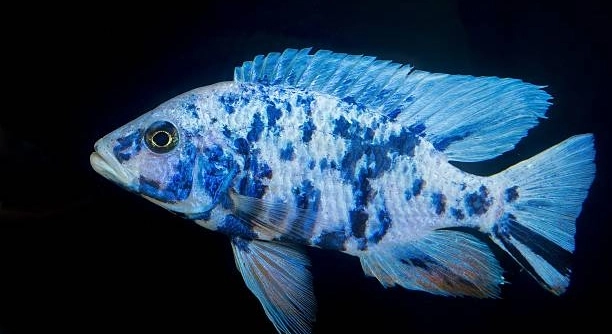
Tall tanks are often chosen for cichlids because they look impressive and save floor space. Many fishkeepers think taller tanks provide better swimming areas. However, not all tall tanks suit cichlids’ natural behaviors and needs.
Tall tanks are generally not ideal for cichlids because these fish prefer horizontal swimming space over vertical. Their natural habitats are shallow and wide, making tall tanks restrictive and stressful. Additionally, tall tanks complicate water circulation and maintenance for these species.
Understanding why tall tanks may not be the best choice can help you create a better environment for your cichlids. This article will explain the key reasons behind this and offer helpful insights for tank setup.
Limited Horizontal Swimming Space
Cichlids are active swimmers who prefer moving side to side rather than up and down. In their natural environment, they inhabit wide, shallow waters like lakes and riverbeds. Tall tanks offer more height but restrict the horizontal area, which limits their natural behavior. This can cause stress and reduce their overall activity. When cichlids don’t have enough room to swim horizontally, they may become less healthy and more prone to illness. Additionally, they use horizontal space to establish territories, which is important for their social interactions. Without enough space, aggressive behavior can increase. Therefore, a tank with a wider footprint is always better suited for cichlids. Choosing a tank shape that matches their natural habitat helps keep them comfortable and active, leading to a healthier environment for the fish and easier maintenance for the owner.
A wider tank provides cichlids more freedom to swim naturally and helps maintain better social balance among fish.
Tall tanks may look sleek but often cause behavioral and health issues due to limited horizontal space. Many cichlid species rely on broad areas for territory and movement. Without this, their stress levels rise, which can weaken their immune systems. A wider tank also allows for better placement of decorations, hiding spots, and plants that mimic their natural environment. These elements are crucial for cichlid wellbeing. In addition, wider tanks promote stable water conditions by facilitating better circulation. Overall, a broader tank enhances the fish’s quality of life much more than a taller one.
Water Circulation Challenges in Tall Tanks
Tall tanks often face difficulties in maintaining even water flow. Water circulation is essential for oxygen distribution and waste removal. In a tall tank, the water near the surface may move well, but the lower levels can become stagnant. This creates poor water quality zones that are harmful to cichlids. Stagnant water can lead to buildup of toxins and low oxygen levels. This situation stresses the fish and can cause illness over time. Effective filtration and circulation systems are harder to set up and maintain in tall tanks. They often require additional equipment or modifications to ensure proper water movement throughout the tank. Keeping water quality consistent is crucial for cichlid health, so the tank design must support efficient circulation.
To ensure healthy water conditions, tank shape and filtration must work together well. Tall tanks may struggle with this balance.
Tall tanks create unique challenges for filtration and circulation, which impact water quality and fish health. Due to their height, water tends to move unevenly, making the bottom areas less oxygenated and more prone to waste buildup. This problem can be difficult to fix without extra equipment, which increases maintenance. In contrast, wider tanks encourage more uniform water flow naturally, supporting a cleaner environment. For cichlids, consistent water quality is essential because poor conditions can lead to stress, disease, and shorter lifespans. Therefore, choosing a tank with a shape that supports proper circulation reduces risks and promotes healthier fish. Regular monitoring and appropriate filter placement are necessary, especially in tall tanks, but the design itself can either help or hinder these efforts.
Lighting Issues in Tall Tanks
Tall tanks often require stronger lighting to reach the bottom. This can create uneven light distribution that stresses cichlids. Bright upper areas may cause discomfort, while darker lower zones affect plant growth and fish behavior.
Lighting in tall tanks can be tricky to manage. Because the light has to travel farther, you might need powerful bulbs to reach the bottom. This can lead to bright spots near the surface, which can stress fish used to more evenly lit environments. At the same time, lower parts of the tank may remain dim, causing plants to struggle and fish to hide more often. Balancing lighting is harder, and improper light can disrupt fish activity and tank aesthetics.
Fish and plants rely on consistent light patterns for health and behavior. Uneven lighting in tall tanks makes it difficult to create a comfortable, natural environment. Plants may fail to thrive, and fish may feel insecure with sharp contrasts between bright and dark areas. This imbalance can increase stress and reduce the quality of life for cichlids. Proper lighting setup in tall tanks requires careful adjustment and often more equipment, making maintenance more complicated.
Difficulty in Aquascaping and Decoration
Tall tanks limit creativity when arranging plants and decorations. They require vertical placement but offer little horizontal space for natural layouts.
Aquascaping in tall tanks is challenging because the narrow floor area restricts design options. Cichlids benefit from territories created by rocks, plants, and hiding spots arranged horizontally. Tall tanks force decorators to focus on height, which doesn’t suit cichlid behavior well. Decorations stacked vertically may not provide enough shelter or play areas. This can lead to more fish stress and aggression. Additionally, creating a balanced and natural-looking environment is more difficult without wider space.
Using a wide tank makes aquascaping easier and more effective for cichlids. You can spread out decorations, build distinct territories, and create hiding spots that match their natural habitat. This promotes calmer fish and less fighting. It also improves the tank’s visual appeal by allowing varied layouts. For these reasons, choosing a tank with more floor space improves both fish welfare and your enjoyment of the setup.
Stress From Lack of Surface Area
Tall tanks often have less surface area compared to wider tanks. This limits oxygen exchange at the water surface, which can stress cichlids over time.
Lower surface area reduces gas exchange efficiency. Fish need oxygen-rich water, and poor surface movement can lead to low oxygen levels, affecting their health.
Harder Maintenance and Cleaning
Tall tanks can be difficult to clean properly. Reaching the bottom or corners is often challenging without special tools.
The height complicates water changes and gravel vacuuming. Maintenance tasks take more effort and time, which may discourage regular care. Consistent cleaning is important for water quality and fish health.
Limited Social Interaction
Cichlids communicate and interact mostly on a horizontal plane. Tall tanks reduce opportunities for natural social behaviors.
Lack of horizontal space can increase stress and aggression among fish. A wider tank supports better social dynamics and overall wellbeing.
FAQ
Why are tall tanks not recommended for cichlids?
Tall tanks restrict the horizontal swimming space cichlids need. These fish come from shallow, wide habitats and prefer swimming side to side. Tall tanks can make them feel confined, leading to stress and abnormal behavior. Additionally, tall tanks often have water circulation and lighting problems that negatively impact cichlid health.
Can cichlids live in tall tanks if the tank is large enough?
Even if the tank is big, the shape matters. A large tall tank still limits horizontal space, which is essential for cichlid swimming and territory. Providing enough floor area is more important than height. If the horizontal space is sufficient, cichlids will be more comfortable and display natural behaviors.
What tank shape is best for cichlids?
A wider and shorter tank is ideal. This shape offers plenty of horizontal space for swimming, territory, and social interaction. It also supports better water circulation and easier aquascaping, which helps create a stable and healthy environment for the fish.
Does tank height affect water quality?
Yes, taller tanks often have uneven water circulation. The top layers get more oxygen, while the bottom may become stagnant. Poor circulation can lead to waste buildup and low oxygen, harming fish health. Wider tanks allow more even water flow, which improves water quality overall.
How does lighting affect cichlids in tall tanks?
Lighting in tall tanks tends to be uneven. Strong light at the top can stress fish, while the bottom stays dim. Cichlids need consistent lighting to feel secure and for plants to grow well. Uneven lighting can cause fish to hide or behave unusually, reducing their wellbeing.
Is maintenance harder in tall tanks?
Yes, taller tanks are more difficult to clean. Reaching the bottom and corners can be tricky without special tools. Water changes, gravel vacuuming, and filter maintenance take longer and require more effort. This can make it easy to skip regular upkeep, which is harmful to fish health.
Can aquascaping be done well in tall tanks?
Aquascaping in tall tanks is limited. Decorations and plants must be stacked vertically, reducing natural hiding spots and territories for cichlids. These fish need wide spaces to establish their own areas. A wider tank allows for better arrangement of rocks, plants, and caves, which lowers stress and aggression.
Do tall tanks cause more aggression in cichlids?
They can. Lack of horizontal space means fish can’t spread out or establish distinct territories. This confinement often increases fighting and stress. A wider tank helps reduce aggression by giving fish room to create boundaries and avoid constant confrontations.
Are there any benefits to tall tanks for cichlids?
Tall tanks save floor space in a room and can look impressive. They might work for fish species that prefer vertical swimming. However, for cichlids, these benefits are outweighed by the downsides related to behavior and environment needs.
What size tank should I choose for my cichlids?
Choose a tank with ample horizontal space. A tank that is at least 30 inches wide is a good start for many cichlid species. Bigger is always better, as long as the width supports natural movement and territory formation. Avoid very tall tanks even if the volume seems large.
How does tank shape affect cichlid breeding?
Breeding requires space for pairs or groups to set up nests and defend territories. Tall tanks don’t provide enough horizontal room for this behavior. A wider tank allows fish to breed with less stress and competition, improving chances of successful spawning.
Can modifications make a tall tank better for cichlids?
Some modifications, like strong filtration and adding more decorations, can help. But the fundamental issue of limited horizontal space remains. It’s better to start with a tank that fits their natural needs instead of trying to fix a shape that doesn’t suit them.
What is the easiest way to improve a tall tank for cichlids?
If you must use a tall tank, focus on maximizing horizontal space inside by using low-profile decorations and wide plants. Increase water circulation with good filters and ensure lighting reaches all areas evenly. Still, consider upgrading to a wider tank when possible.
Are all cichlids affected the same way by tank shape?
Different species have different space needs. Most cichlids prefer wider tanks, but some smaller or less territorial species might tolerate taller tanks better. However, as a general rule, wider tanks suit cichlids’ natural habits best.
How often should I clean a tank to keep water quality good?
Regular maintenance is key. Partial water changes weekly or biweekly help keep water clean. Cleaning the substrate and filter as needed prevents waste buildup. In tall tanks, frequent checks are more important because stagnant zones can form.
Does tank shape affect plant growth for cichlids?
Yes, taller tanks often have uneven lighting, which can stunt plant growth at the bottom. Healthy plants improve water quality and provide hiding spots. A wider tank promotes better light distribution, helping plants thrive and creating a balanced environment.
Tall tanks may look nice and save floor space, but they are not the best choice for cichlids. These fish naturally live in wide, shallow waters where they swim mostly side to side. Tall tanks limit this important horizontal space and can make cichlids feel cramped. When fish cannot swim or behave normally, it can cause stress and health problems. Choosing a tank shape that matches their natural environment helps keep cichlids active and comfortable.
Water quality and lighting are other important reasons why tall tanks are not ideal for cichlids. Tall tanks often have uneven water circulation. The top part of the tank may have plenty of oxygen and movement, but the lower parts can become stagnant. This can lead to a buildup of harmful waste and low oxygen, which is bad for fish health. Lighting can also be uneven in tall tanks, with bright spots near the surface and darker areas below. Uneven lighting can stress fish and make it hard for plants to grow. Plants are important because they help keep the water clean and provide hiding spots for cichlids.
Finally, tall tanks can make decoration and maintenance more difficult. Cichlids need room to build territories and hide. Tall tanks limit space for decorations because the floor area is smaller. This can lead to more fighting and stress among fish. Maintenance tasks like cleaning and water changes are also harder in tall tanks because reaching the bottom and corners takes more effort. For all these reasons, a wider tank is a better choice. It supports the natural behaviors of cichlids, improves water quality, and makes the tank easier to care for. Choosing the right tank shape helps both you and your fish enjoy a healthier, happier home.

Hello,
If you enjoy the content that we create, please consider saying a "Thank You!" by leaving a tip.
Every little bit helps us continue crafting quality advice that supports the health, happiness, and well-being of pets around the world, for pets of all shapes, sizes, and species.
We really appreciate the kindness and support that you show us!