
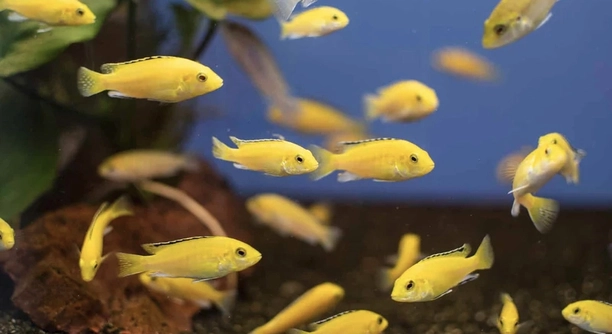
African cichlids are popular fish known for their vibrant colors and lively behavior. Many fish keepers wonder about their growth stages and when these fish reach full size. Understanding this helps in providing the right care and environment for them.
An African cichlid is generally considered fully grown between 1 to 2 years of age, depending on the species and living conditions. Signs of full growth include reaching maximum size, developed coloration, and stable behavior patterns.
Knowing the age and growth signs of your cichlid helps maintain a healthy tank and ensures the fish thrives in its habitat.
Growth Timeline of African Cichlids
African cichlids grow at different rates depending on their species, environment, and diet. Generally, they grow rapidly during their first six months, reaching about half their adult size in that time. After this initial period, their growth slows down but continues steadily until they are around 1 to 2 years old. Factors like water temperature, tank size, and quality of food influence how fast they grow. Warmer water can speed up metabolism, helping them develop quicker, but it must stay within safe limits. Providing a balanced diet rich in protein supports healthy growth and vibrant colors. Overcrowded tanks or poor water quality can stunt growth and cause stress. Knowing when your cichlid will reach maturity helps you plan tank conditions and feeding routines accordingly.
As they near full size, their behavior becomes more predictable and less aggressive than in younger stages. This signals a more stable phase of life.
Monitoring these changes closely ensures your fish stay healthy and reach their full potential in your aquarium.
Signs Your African Cichlid Is Fully Grown
Physical size is the most obvious sign of full growth in African cichlids. When your fish stops growing noticeably in length and bulk, it’s likely close to or at maturity. Along with size, mature cichlids often show brighter, more defined colors. Their fins may appear fuller, and their body shape becomes more robust compared to juvenile fish. Behaviorally, fully grown cichlids tend to be less skittish and more territorial, especially during breeding seasons. These changes come together as good indicators that your cichlid has reached its adult phase.
Observing these physical and behavioral changes helps you identify maturity accurately.
Understanding these signs allows you to adjust care routines, such as feeding and tank maintenance, for an adult fish.
Adjusting your approach to care once your cichlid is mature supports its health and longevity. Regular observation will help you notice subtle changes that indicate growth stages, making it easier to provide the best environment. Mature cichlids may need slightly different food amounts and tank space than younger fish, so recognizing this stage is important. Additionally, knowing when your fish is fully grown can prevent overfeeding, which can cause health problems. Overall, being aware of these signs helps you enjoy your aquarium with confident and informed care decisions.
Factors Affecting Growth Rate
Water quality plays a big role in how quickly African cichlids grow. Clean, well-filtered water helps them develop properly without stress. Poor water conditions can slow growth or cause health issues.
Consistent water temperature around 75-82°F supports steady growth. Fluctuations or extremes can stunt development. Tank size matters too — a cramped tank limits growth by restricting space and increasing stress. Feeding a balanced diet with enough protein is essential. High-quality pellets, frozen foods, and occasional live food keep cichlids healthy and growing well. Overfeeding can cause obesity, while underfeeding slows growth. Regular water changes and proper filtration also keep their environment stable and promote healthy development.
Stress from aggressive tank mates or overcrowding can delay growth. Giving each fish enough space and hiding spots reduces aggression. Monitoring water parameters like pH and ammonia keeps conditions optimal. By managing these factors carefully, you help your cichlid grow at a healthy rate and reach full size as expected.
Differences Among Species
African cichlids vary widely in size and growth speed based on species. Smaller species, like shell dwellers, often mature faster and stay compact, while larger species, such as those from Lake Malawi, take longer to grow and reach larger sizes.
Growth patterns also differ in coloration and fin development. Some species show rapid color changes as they mature, while others take longer to develop their adult appearance. Knowing the specific species you have is important for setting expectations about growth. Different species have different dietary and environmental needs, which affect their health and size. Researching your cichlid’s natural habitat can help mimic conditions and promote proper growth.
Species differences also impact lifespan and behavior. Larger species might live longer but require more space and specialized care. Understanding these details allows you to tailor your aquarium setup and care routine, ensuring your cichlids thrive and reach their full potential naturally.
Common Growth Issues
Sometimes African cichlids may stop growing due to poor diet or water quality. Lack of proper nutrition often leads to stunted growth and dull colors.
Stress from aggressive tank mates or overcrowding can also limit growth. Addressing these issues usually helps the fish resume healthy development.
How to Support Healthy Growth
Maintaining stable water parameters is key to healthy growth. Regular water changes, proper filtration, and consistent temperature keep the environment ideal. Feeding a varied diet that includes high-quality pellets, frozen foods, and occasional live foods supplies essential nutrients. Avoid overfeeding to prevent obesity and poor water quality. Providing enough space and hiding spots reduces stress and aggression. Watching your fish’s behavior and appearance regularly helps you catch early signs of problems. Making these adjustments ensures your African cichlid grows well and stays healthy over time.
When to Consult a Vet
If your cichlid shows no growth despite good care, a vet visit may be needed.
How long does it take for an African cichlid to fully grow?
African cichlids typically reach full growth between 1 and 2 years of age, depending on the species and care conditions. Some smaller species mature faster, while larger ones may take longer. Growth happens fastest during the first six months, then slows down until maturity.
What are the main signs that my cichlid is fully grown?
You can tell your cichlid is fully grown when it stops getting noticeably bigger and its colors become vibrant and stable. Adult cichlids usually show fuller fins and a more defined body shape. Behavior also changes—they tend to be more territorial and less skittish.
Can poor water quality affect cichlid growth?
Yes, poor water quality is a common cause of slowed or stunted growth. High ammonia, nitrite levels, or inconsistent pH stresses the fish and disrupts development. Keeping water clean with regular changes and good filtration is essential for healthy growth.
Does diet impact how fast my cichlid grows?
Absolutely. A balanced diet rich in protein helps cichlids grow at a healthy rate. High-quality pellets, frozen foods, and occasional live food provide essential nutrients. Overfeeding can cause obesity and poor water quality, while underfeeding slows growth.
What tank size is best for growth?
Providing enough space is important. Overcrowding increases stress and limits growth. A tank that allows your cichlid room to swim and establish territories helps maintain health and development. Larger species need bigger tanks to reach full size comfortably.
Can aggression slow down growth?
Yes, aggressive tank mates or overcrowding cause stress, which can reduce appetite and stunt growth. Providing hiding spots and managing tank population helps reduce aggression and supports healthy development.
How can I tell if my cichlid’s growth is abnormal?
If your cichlid isn’t growing after several months despite good care, appears thin, or has dull colors, these are signs of abnormal growth. Health problems or poor tank conditions might be causing this. Monitoring behavior and physical signs closely helps identify issues early.
Are all African cichlids the same size when fully grown?
No, size varies widely among species. Some remain small, around 3-4 inches, while others can grow up to 12 inches or more. Knowing your species helps set realistic expectations for size and care requirements.
When should I consider consulting a vet?
If your cichlid shows no growth over an extended period, seems lethargic, or has other health issues despite proper care, consulting a vet experienced in fish health is a good idea. Early diagnosis can prevent serious problems.
Do African cichlids change color as they grow?
Yes, many species develop brighter and more defined colors as they mature. Juvenile colors are often duller or different from adult patterns. Color changes usually signal nearing maturity and good health.
Is it normal for growth to slow after the first year?
Yes, growth slows significantly after the first year. Most cichlids reach about 80-90% of their full size in the first 6-12 months. After that, they grow more slowly until they reach full maturity.
Can temperature changes affect growth?
Fluctuating or extreme temperatures can stress cichlids and slow their growth. Keeping water temperature stable between 75-82°F supports healthy development. Avoid sudden drops or rises.
Does breeding affect growth?
Breeding can temporarily slow growth, especially in females, due to the energy needed for producing and caring for eggs or fry. After breeding, fish often regain growth once they recover.
How often should I feed my growing cichlid?
Young cichlids benefit from feeding 2-3 times daily with small portions to support fast growth. Adults typically do well with once or twice daily feedings. Avoid overfeeding to maintain water quality.
Can I speed up my cichlid’s growth?
Growth speed is mostly natural and influenced by genetics and care. Providing optimal water conditions, a nutritious diet, and enough space can help your cichlid grow at a healthy pace but won’t drastically speed up growth beyond natural limits.
African cichlids are fascinating fish that bring color and life to any aquarium. Knowing when they are fully grown helps you care for them better. Growth varies by species, environment, and diet, but most cichlids reach maturity between 1 and 2 years. Watching their size, color, and behavior changes gives clues about their growth stage. These signs help you adjust their care to keep them healthy.
Proper care is important for healthy growth. Good water quality, a balanced diet, and enough space in the tank support steady development. Stress from poor conditions or aggressive tank mates can slow growth and affect the fish’s health. Feeding your cichlids high-quality food and keeping the tank clean with regular water changes helps them thrive. Each species has its own needs, so learning about the specific type of cichlid you have makes a difference. When they reach full size, their needs change slightly, and it’s good to adjust feeding and tank care accordingly.
Paying attention to your cichlid’s growth is part of responsible fishkeeping. If growth slows or stops, it may mean something in the environment needs fixing. Sometimes, consulting a vet is necessary if health problems appear. Overall, knowing the growth timeline and signs lets you enjoy a beautiful, healthy fish for years. Taking the time to observe and care for your cichlid helps it live a full, happy life in your aquarium.

Hello,
If you enjoy the content that we create, please consider saying a "Thank You!" by leaving a tip.
Every little bit helps us continue crafting quality advice that supports the health, happiness, and well-being of pets around the world, for pets of all shapes, sizes, and species.
We really appreciate the kindness and support that you show us!