
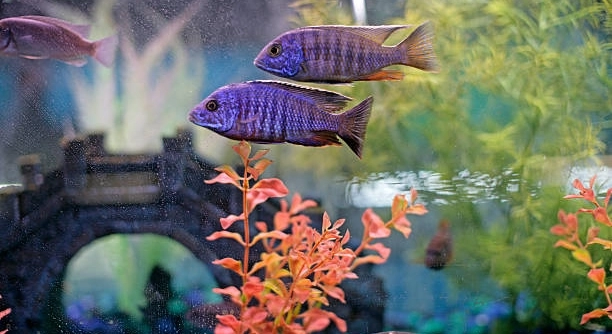
African cichlids are popular freshwater fish that many people enjoy keeping at home. They come in various colors and sizes, making them interesting pets to watch. Understanding their growth can help you care for them better.
African cichlids do grow bigger over time, but their growth is influenced by factors such as species type, diet, tank size, water quality, and overall care. Proper conditions are essential for healthy development and reaching their full size potential.
Knowing what affects their growth helps you provide the best environment. This information can improve your fish’s health and lifespan.
How Big Can African Cichlids Get?
African cichlids vary widely in size depending on their species. Some species stay small, around 3 to 4 inches, while others can grow up to 12 inches or more. For example, the popular Mbuna cichlids usually stay smaller, while Peacock cichlids tend to grow bigger. Growth depends a lot on genetics, but the environment plays a big role too. In a small tank, they might not grow as large as in a spacious aquarium. It’s important to know the typical size of your cichlid’s species to set realistic expectations. Watching your fish grow over time can be very rewarding, especially when you see them reaching their full potential. Regular care and the right conditions will help them get as big as they naturally can.
Proper tank size and water conditions greatly affect your cichlid’s growth and health.
Maintaining a spacious tank and stable water conditions gives African cichlids the room and environment they need to grow well. Overcrowding can stress the fish and limit their growth, so choosing a tank size that suits the species is key. Clean water helps keep them healthy and promotes steady growth. Regular water changes and monitoring pH and temperature are important habits to develop as a caretaker.
Factors That Affect Growth
Tank size is a major factor for growth. If the tank is too small, the fish’s development can slow down. Diet also plays a key role; high-quality food supports better growth. Water quality is another important element—poor water conditions can stunt growth or cause health issues. Stress from overcrowding or aggressive tank mates affects growth negatively. Light and temperature influence metabolism, so keeping consistent conditions helps. Genetics define the maximum size, but the right care helps fish reach that size. Understanding these factors allows you to create a better environment that supports your cichlid’s growth and well-being. Good care will not only help them grow but also keep them healthy and active for years.
Feeding Your African Cichlid for Growth
A balanced diet is crucial for your cichlid’s growth. Feeding them high-quality pellets or flakes designed for cichlids ensures they get the right nutrients. Avoid overfeeding, as this can lead to poor water quality and health problems.
Proper nutrition supports muscle development and overall health. Include a mix of protein and vegetable matter, depending on the species. Some African cichlids are herbivores, while others are omnivores or carnivores. Providing a varied diet helps meet their dietary needs and promotes steady growth. Fresh or frozen foods like brine shrimp or bloodworms can be added occasionally as treats. Be consistent with feeding schedules to maintain their metabolism.
Poor diet often leads to stunted growth or weak immune systems. Low-quality food lacks essential vitamins and minerals needed for development. Feeding too much or too little also causes health issues, so portion control matters. Healthy feeding habits combined with good water conditions give your cichlid the best chance to reach its full size and live a long, active life.
Tank Environment and Growth
The tank environment directly affects how well your cichlid grows. Clean water with stable parameters keeps your fish healthy and stress-free. Stress from dirty water or sudden changes can stunt growth or cause illness.
Proper filtration and regular water changes maintain water quality. Testing for pH, ammonia, nitrite, and nitrate levels helps catch problems early. African cichlids prefer a pH between 7.8 and 8.6 and temperatures around 75 to 82°F. Providing plenty of hiding spots and a comfortable setup reduces stress and promotes natural behavior. A well-maintained tank environment supports steady, healthy growth and helps your cichlid thrive.
Genetics and Growth Potential
Genetics largely determine how big your African cichlid can grow. Each species has a typical maximum size influenced by its hereditary traits.
Even with perfect care, a fish won’t outgrow its genetic limits. Knowing your cichlid’s species helps set realistic expectations for growth and care.
Stress and Its Impact on Growth
Stress slows down growth in African cichlids. Factors like aggressive tank mates, overcrowding, or sudden changes can cause stress.
A calm environment reduces stress and helps fish grow steadily. Watching for signs of stress and addressing them quickly improves overall health and size.
Importance of Consistency
Keeping a consistent environment with stable water conditions, feeding routines, and tank maintenance supports steady growth and good health.
Consistency reduces stress and allows your cichlid to thrive, reaching its natural growth potential over time.
FAQ
How fast do African cichlids grow?
African cichlids generally grow quickly during their first year, especially if they have good care and environment. Most species reach about half of their adult size within this time. After the first year, growth slows down but continues steadily for a while until they reach full size. Growth rates depend on species, diet, and tank conditions. Consistent feeding and clean water help maintain steady growth.
Can African cichlids grow too big for their tank?
Yes, if a cichlid outgrows its tank, it can become stressed and unhealthy. Overcrowded or small tanks limit their space to swim and explore, which can stunt growth or cause illness. It’s important to provide a tank size appropriate for the species’ maximum size to keep them comfortable and healthy.
Does diet affect the color of African cichlids?
Diet can influence the brightness and intensity of cichlid colors. Feeding high-quality, nutrient-rich food enhances their natural colors. Foods rich in carotenoids and vitamins help maintain vibrant hues. Poor diet can lead to dull or faded colors, so balanced nutrition benefits both growth and appearance.
Is tank size the most important factor for growth?
Tank size is very important but not the only factor. A spacious tank gives fish room to grow and reduces stress, but water quality, diet, and stress levels also greatly affect growth. All these factors work together to support healthy development.
How often should I feed my African cichlid?
Feeding small amounts 2 to 3 times daily works well for most cichlids. Avoid overfeeding, which can cause water pollution and health problems. Monitor how much your fish eat within a few minutes, and remove leftovers to keep water clean.
What water conditions are best for growth?
African cichlids prefer slightly alkaline water with pH around 7.8 to 8.6. Temperature should be stable between 75°F and 82°F. Regular water changes and filtration keep ammonia, nitrites, and nitrates low, creating a healthy environment that supports growth.
Can stress really stop my cichlid from growing?
Yes, stress affects fish health and growth. Stressful conditions include aggressive tank mates, poor water quality, overcrowding, or sudden changes. Stressed fish may eat less and become vulnerable to disease. Reducing stress by providing hiding places, proper tank mates, and good care helps growth.
How do I know if my African cichlid is growing properly?
Track your cichlid’s size over time by measuring or comparing it to objects in the tank. Healthy fish should show gradual size increases. Also watch for active behavior and good appetite, which indicate they are well and growing normally.
Will my cichlid grow bigger if I upgrade to a larger tank?
Upgrading to a larger tank can help if your fish was previously in a cramped space. More room reduces stress and encourages natural behavior, supporting growth. However, genetics still set limits on maximum size.
Are there specific foods to promote growth?
High-quality pellets and flakes made for cichlids are great staples. Supplementing with frozen or live foods like brine shrimp, bloodworms, or daphnia provides extra protein and nutrients. Vegetables such as spinach or peas help herbivorous species. Variety ensures balanced nutrition.
Can poor water quality stunt growth?
Yes, poor water quality causes stress, disease, and stunted growth. Ammonia and nitrite spikes damage gills and organs. Keeping water clean through regular testing and changes prevents these issues and supports healthy growth.
Is it normal for growth to slow down after the first year?
Yes, growth slows as cichlids reach maturity. They grow quickly when young, then enter a slower phase as they approach their full size. This pattern is natural and expected.
Do African cichlids stop growing completely?
Most cichlids slow growth significantly once fully mature but may still grow very slowly throughout their life. Growth rates vary between species and individuals.
Can adding plants or decorations affect growth?
Plants and decorations offer hiding places that reduce stress. Less stress means better health and growth. However, overcrowding with too many items can reduce swimming space, so balance is key.
What is the average lifespan of African cichlids?
With good care, African cichlids typically live 8 to 10 years. Proper diet, tank conditions, and stress management contribute to their longevity.
Should I change diet as my cichlid grows?
Yes, younger fish often need more protein for growth, while adults require a balanced diet to maintain health. Adjust food types and amounts accordingly.
African cichlids are fascinating fish that can grow to different sizes depending on their species and care. Knowing what affects their growth helps you provide a better environment for them. Factors like diet, tank size, water quality, and stress all play important roles in how well they grow. Genetics also set limits on how big they can get, but good care helps them reach their full potential. Watching them grow over time can be very rewarding, especially when you see them healthy and active.
Feeding your cichlids the right food and in the right amounts is essential. A balanced diet with good quality pellets or flakes, combined with occasional treats like frozen or live foods, supports healthy growth. Overfeeding or poor nutrition can harm their health and stunt their development. Maintaining clean water with stable conditions reduces stress and illness, both of which can slow growth. Keeping an eye on water parameters and changing water regularly helps keep the tank environment healthy for your fish.
Creating a calm and comfortable tank setup also matters. Providing enough space and hiding spots reduces stress and encourages natural behavior. Avoid overcrowding and aggressive tank mates to give your cichlids the best chance to grow well. Consistency in care, including regular feeding and water maintenance, supports steady growth over time. While African cichlids may slow down growth as they mature, proper care can help them live long, healthy lives and grow to the size their genetics allow.

Hello,
If you enjoy the content that we create, please consider saying a "Thank You!" by leaving a tip.
Every little bit helps us continue crafting quality advice that supports the health, happiness, and well-being of pets around the world, for pets of all shapes, sizes, and species.
We really appreciate the kindness and support that you show us!