
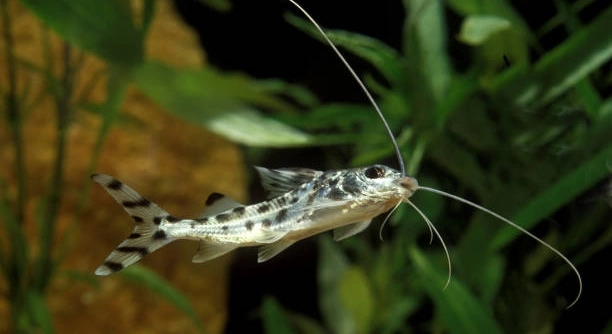
Pictus catfish are popular freshwater fish known for their active nature and striking appearance. Many aquarists enjoy watching them explore their tanks and interact with their environment. Understanding their behavior helps create a comfortable home for these fish.
Pictus catfish typically take between two to four weeks to become comfortable in a new aquarium environment. This adjustment period depends on tank conditions, water quality, and hiding spots. Providing a stable environment speeds up their acclimation process and reduces stress.
Knowing how to help your pictus catfish settle in can improve their well-being and behavior. This article will explain important factors influencing their comfort and offer practical tips for their smooth transition.
How Environment Affects Comfort
Pictus catfish are sensitive to changes in their surroundings. When introduced to a new tank, factors like water temperature, pH, and cleanliness play a big role in how quickly they settle. These fish prefer stable water conditions with a temperature between 74-79°F and a neutral to slightly acidic pH. Sudden changes can stress them out, making them hide more or become less active. Adding plenty of hiding places, such as plants or decorations, gives them security while they adjust. It’s important to keep the tank quiet and avoid sudden movements around the aquarium. Feeding them a consistent diet and maintaining clean water help them feel safe and healthy.
Creating a calm, stable environment is key to helping pictus catfish adapt faster and show their natural behavior sooner.
Tank stability supports the fish’s comfort by reducing stress and encouraging natural activity. A peaceful environment helps pictus catfish feel more at home.
Signs Your Pictus Catfish Is Comfortable
A comfortable pictus catfish will swim openly around the tank, exploring without hesitation. They often rest near the bottom but will move around actively during feeding or when curious. Their colors become brighter, and they show less hiding behavior. If the fish is eating well and interacting with tank mates, it is a good sign they feel secure. However, if they stay hidden for long periods or show signs of stress like rapid breathing or clamped fins, they may still be uncomfortable.
Observing these behaviors can help you understand how your pictus catfish is adapting.
To improve comfort, keep the water clean and consistent, provide hiding spots, and limit loud noises or sudden disturbances near the aquarium. These small changes can make a big difference in their adjustment period. Regular feeding times also build trust and help the fish relax. If the fish continues to hide or appears stressed after several weeks, checking water parameters and tank mates is important to identify possible problems. Sometimes adding gentle aeration or dimming the tank lights can encourage them to come out more often.
Feeding and Comfort Levels
Feeding plays a major role in how comfortable pictus catfish feel. Consistent feeding schedules help build trust and reduce stress. They prefer sinking pellets, frozen or live foods like bloodworms and brine shrimp.
Offering a varied diet encourages natural behavior and keeps them healthy. Feeding them once or twice daily in small amounts prevents overfeeding and water pollution. Watching their eating habits also helps monitor their health and comfort.
If your pictus catfish refuses food or shows less interest, it may indicate stress or discomfort. Adjusting feeding times, improving tank conditions, or adding hiding spots can encourage better eating and faster adjustment. Patience is important, as they may take time to feel safe enough to eat regularly.
Tank Mates and Social Comfort
Pictus catfish are generally peaceful but can become stressed if housed with aggressive fish. Suitable tank mates include small, calm species like tetras or corydoras. Avoid overcrowding to reduce competition and stress.
Introducing compatible fish slowly and monitoring interactions helps maintain harmony. Stress from poor social environments delays comfort and can cause health issues. Giving your pictus catfish enough space to swim and hide improves their social comfort.
Lighting and Comfort
Pictus catfish prefer dim lighting because bright lights can make them feel exposed and stressed. Using low-intensity lights or floating plants helps create shaded areas where they can retreat.
Too much light often causes them to hide and become less active, which delays their comfort in the tank.
Water Quality Maintenance
Keeping water quality high is essential for pictus catfish comfort. Regular water changes, testing for ammonia, nitrites, and nitrates, and using a good filter help maintain a healthy environment. Poor water quality causes stress and illness, making it harder for fish to settle and thrive.
Hiding Spots
Providing plenty of hiding spots helps pictus catfish feel secure. Use caves, plants, or decorations that offer shelter. Without these, they may stay hidden and stressed for longer.
How long does it take for pictus catfish to get comfortable in a new tank?
Pictus catfish usually take about two to four weeks to feel comfortable in a new aquarium. This time frame depends on water quality, tank setup, and how well the environment matches their needs. Stable water conditions and plenty of hiding spots help speed up their adjustment.
What signs show that my pictus catfish is comfortable?
A comfortable pictus catfish will swim actively around the tank, exploring and feeding without hesitation. Their colors brighten, and they spend less time hiding. If they eat well, interact with tank mates, and move confidently, they are likely settled in.
Why is my pictus catfish hiding all the time?
Hiding is a common behavior for stressed or shy pictus catfish, especially when they are new to a tank. Bright lighting, poor water conditions, or aggressive tank mates can make them feel unsafe. Providing hiding places and stable conditions can help reduce hiding over time.
Can feeding affect how quickly pictus catfish get comfortable?
Yes, feeding plays a key role in their comfort. Consistent feeding times with a varied diet build trust and encourage normal behavior. If they refuse food, it might mean they are stressed. Adjusting feeding routines and tank conditions can improve their appetite.
What kind of tank mates work best with pictus catfish?
Pictus catfish prefer peaceful, small to medium-sized fish as tank mates, such as tetras or corydoras. Aggressive or territorial fish can stress them, slowing their adjustment. Make sure the tank isn’t overcrowded and that all species have enough space to avoid conflict.
How important is lighting for pictus catfish comfort?
Lighting is very important. Bright lights can stress pictus catfish, causing them to hide and become less active. Dim lighting or floating plants that create shaded areas help them feel secure. Adjusting light intensity can improve their comfort significantly.
What water conditions do pictus catfish prefer?
They thrive in stable water with temperatures between 74-79°F and a pH from 6.5 to 7.5. Keeping ammonia, nitrites, and nitrates at zero or very low levels is crucial. Regular water changes and a good filtration system help maintain these conditions.
How often should I change the water to keep my pictus catfish comfortable?
Weekly partial water changes of 20-30% are recommended. This helps remove waste and toxins that build up over time. Keeping water clean and stable prevents stress and health problems, allowing pictus catfish to settle more quickly.
What should I do if my pictus catfish isn’t eating?
If your fish refuses food, check water quality and tank conditions first. Stress, illness, or poor environment can cause loss of appetite. Try offering different foods like live or frozen bloodworms. Make sure feeding times are consistent to build a routine.
Do pictus catfish need hiding spots to feel comfortable?
Yes, hiding spots are essential. Caves, plants, and decorations give pictus catfish places to feel safe. Without enough shelter, they may stay hidden and stressed, delaying their adjustment. Providing multiple hiding options helps them feel secure and more confident in the tank.
Can loud noises or vibrations affect pictus catfish comfort?
Loud sounds and vibrations can stress pictus catfish, making them hide or behave unusually. Keeping the tank in a quiet area and avoiding tapping on the glass helps reduce stress. A calm environment supports their comfort and encourages natural behavior.
How do I know if my pictus catfish is stressed?
Signs of stress include hiding for long periods, clamped fins, rapid breathing, loss of appetite, and unusual swimming patterns. Stress weakens their immune system, so identifying and fixing causes quickly is important for their health and comfort.
Will pictus catfish get more comfortable over time?
Yes, with the right care and environment, pictus catfish become more comfortable as they adjust. It may take weeks, but stable water, proper feeding, hiding spots, and compatible tank mates help them feel safe and show their natural behaviors.
Is it normal for pictus catfish to be shy at first?
Yes, they tend to be shy when introduced to a new tank. This is a natural survival instinct. Over time, as they learn their surroundings are safe, they become more active and visible. Patience and a stable setup are key during this phase.
Can stress affect the health of pictus catfish?
Stress lowers their immune system, making them prone to illness and infections. Keeping stress low by maintaining good water quality, providing hiding spots, and avoiding aggressive tank mates helps ensure their health and comfort.
What tank size is best for pictus catfish to feel comfortable?
A minimum of 30 gallons is recommended to give pictus catfish enough space to swim and explore. Larger tanks with good filtration and proper setup improve their comfort and reduce stress by mimicking their natural environment better.
Pictus catfish need time and the right environment to feel comfortable in a new tank. They are sensitive to changes in water quality, lighting, and tank mates, so keeping these factors steady helps them settle faster. Providing hiding places and maintaining a calm, quiet space gives them the security they need. Watching their behavior closely during the first few weeks is important to understand how well they are adjusting. If they swim actively, eat well, and show their bright colors, it usually means they feel comfortable and safe.
Feeding is an important part of helping pictus catfish get used to their new home. A regular feeding schedule with the right type of food encourages natural behavior and builds trust. These fish enjoy sinking pellets and live or frozen foods like bloodworms. Avoid overfeeding, as leftover food can pollute the water and cause stress. If a pictus catfish refuses to eat, it may be a sign of stress or poor tank conditions, which should be checked and fixed. Patience is key because some fish take longer to feel safe enough to eat regularly.
Taking care of water quality is one of the most important tasks for keeping pictus catfish comfortable. Regular water changes and monitoring of ammonia, nitrites, and nitrates help create a healthy environment. Using a good filter and maintaining stable temperature and pH levels also reduces stress. Avoid bright lights and loud noises near the tank, as these can frighten the fish. With the right tank mates, enough space, and good care, pictus catfish will gradually become more confident, active, and visible, making your aquarium more enjoyable to watch.

Hello,
If you enjoy the content that we create, please consider saying a "Thank You!" by leaving a tip.
Every little bit helps us continue crafting quality advice that supports the health, happiness, and well-being of pets around the world, for pets of all shapes, sizes, and species.
We really appreciate the kindness and support that you show us!