
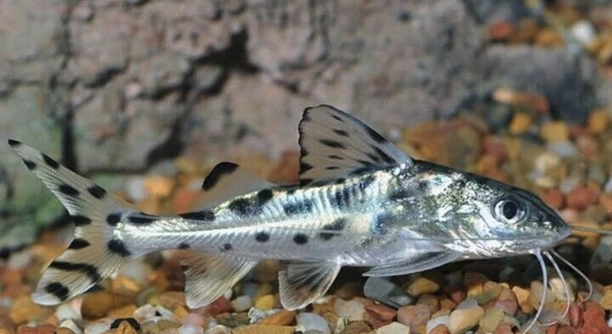
Many aquarium owners notice fish often swim close to the filter output. This behavior can seem unusual or even concerning at first glance. Understanding why this happens can help maintain a healthier tank environment.
Fish swim near the filter output because it provides increased oxygen levels and water movement. The flow stimulates their natural instincts, helps with respiration, and encourages them to stay active in the aquarium. This behavior is common among many species.
Recognizing this natural tendency can improve how you manage your aquarium setup and care for your fish’s well-being.
Why Fish Prefer the Filter Output Area
Fish are drawn to the area near the filter output because it creates a constant flow of water, which helps oxygenate the tank. This movement mimics natural water currents, offering a more stimulating environment for the fish. Swimming near the output also allows fish to rest while staying active, as they can use the water flow to conserve energy. Many species prefer this spot because it provides a balance of oxygen-rich water and gentle movement, which keeps their gills functioning well. The filter output can also carry small food particles, adding to the attraction. In a well-maintained aquarium, this behavior signals healthy water circulation, which benefits the entire tank ecosystem. Observing fish in this spot is a good indicator of a stable environment where oxygen levels and water cleanliness meet their needs.
This natural preference also helps fish avoid stagnant zones with lower oxygen, ensuring they remain healthy and comfortable.
Knowing why fish favor this area can guide tank setup and filter placement to support their well-being effectively.
How Water Flow Affects Fish Behavior
Water flow plays a key role in shaping fish movement and comfort within the tank.
Strong or uneven currents can cause stress, but moderate flow near the filter output encourages natural swimming patterns. Fish use the current for exercise and breathing support, which boosts their health. If the flow is too strong, some species might avoid the area entirely, preferring calmer zones. Proper adjustment of filter output strength creates an ideal balance that supports different species’ needs, helping to reduce stress and promote activity. This balance is important for community tanks where multiple fish types coexist. Observing how fish respond to water movement helps aquarists fine-tune the environment. Using adjustable filters or adding flow diffusers can help achieve the right current speed. Maintaining this balance encourages fish to spend time near the filter output without causing discomfort, making it easier to keep the aquarium clean and oxygenated.
Benefits of Swimming Near the Filter Output
Swimming near the filter output gives fish easy access to oxygen-rich water. It also offers a gentle current that encourages movement without tiring them out. This location helps fish feel secure and supports their respiratory needs.
The steady flow of water near the filter output improves oxygen levels, which is vital for fish health. Fish use the current to regulate their energy, allowing them to rest while still being active. This behavior is common in many species because it mimics their natural environment. The moving water also helps remove waste and distribute nutrients, creating a cleaner habitat. In turn, this helps fish stay healthier and more comfortable, reducing stress and preventing illnesses.
Fish in the filter output area also benefit from better water circulation, which keeps the tank environment stable. This helps maintain consistent temperatures and prevents dead zones where debris can build up. Proper circulation supports overall tank cleanliness and fish well-being.
How Tank Setup Influences Fish Behavior
Tank setup directly impacts where fish prefer to swim, especially near the filter output. The position and strength of the filter influence water movement patterns.
Proper placement of the filter output creates ideal water flow that attracts fish without overwhelming them. If the filter is too strong, fish may avoid the area, seeking calmer spots instead. The shape and size of the tank also affect how water circulates. Larger tanks may require multiple filters or flow diffusers to balance currents. Decorations and plants can change flow direction and create resting places, helping fish feel safe. By arranging the tank thoughtfully, you can encourage fish to use the filter output area while keeping the environment comfortable for all species present.
Common Fish Species That Swim Near Filter Outputs
Certain fish species naturally prefer areas with water movement. These include many types of tetras, danios, and some cichlids. They enjoy the oxygen and stimulation the flow provides.
These fish often use the current to conserve energy while staying active. Their natural habitats usually have flowing water, so this behavior carries over into aquariums. Observing species-specific preferences can help in tank planning.
Adjusting Flow to Suit Different Fish
Filter flow strength can be modified to meet the needs of your fish. Gentle flow suits small or delicate species, while stronger currents appeal to more active swimmers. Adjusting flow helps maintain comfort and reduces stress.
Filter Output and Tank Maintenance
The area near the filter output helps circulate debris toward the intake, aiding in cleaner water. Proper flow placement ensures effective filtration and keeps the tank environment healthy for fish.
FAQ
Why do fish swim so close to the filter output?
Fish swim near the filter output because it offers better oxygen levels and water movement. The flowing water mimics their natural habitat and helps them breathe easier. It also provides a gentle current that some species use to rest while still staying active. This behavior is common and usually shows that the tank has good circulation.
Can the water flow from the filter harm fish?
Strong water flow can stress or tire fish, especially smaller or more delicate species. It is important to adjust the filter output so the current is gentle enough for all the fish in the tank. Too much force can cause fish to avoid that area or injure themselves.
How do I adjust the filter output flow?
Most filters have adjustable flow settings or attachments that diffuse the water flow. You can redirect the output to reduce strength or use decorations and plants to break the current. Experiment with placement and settings until the fish seem comfortable and the water circulates well.
Is it normal for fish to gather only near the filter output?
Yes, it is normal if your fish spend a lot of time near the filter output. This usually means they are seeking better oxygen or enjoying the current. However, if they crowd there constantly and show signs of stress, it could mean the tank needs better aeration or cleaning.
Do all fish like swimming near the filter output?
No, some fish prefer calmer areas away from strong currents. Species from still or slow-moving waters may avoid the filter output. Understanding your fish’s natural environment helps you set up the tank flow to suit their needs.
Can swimming near the filter output improve fish health?
Swimming near oxygen-rich water helps fish breathe more easily, which supports their health. The gentle current also promotes natural exercise and keeps them active. Good water circulation reduces harmful waste buildup, benefiting all fish.
What should I do if fish avoid the filter output?
If fish avoid the area, check if the flow is too strong or the water temperature near the output is uncomfortable. Adjust the filter output or add flow diffusers. Providing hiding spots and calm zones elsewhere in the tank also helps fish feel safe.
Does filter output placement affect tank cleanliness?
Yes, placing the filter output correctly encourages water circulation, moving debris toward the filter intake. This improves cleaning efficiency and prevents buildup in dead zones, keeping the tank healthier for your fish.
How often should I clean the filter to maintain good flow?
Filters should be cleaned regularly, usually every 2 to 4 weeks, depending on tank size and fish load. A clogged filter reduces flow and oxygen levels, making fish less likely to swim near the output and affecting tank health.
Can fish use the filter output as a hiding place?
While fish do not hide directly in the filter output stream, they often swim nearby for comfort and oxygen. Adding plants or decorations near the output can provide hiding spots while maintaining good water flow.
Why do some fish dart quickly near the filter output?
Fish may dart near the output to chase food particles carried by the current or to interact with the moving water. This behavior shows stimulation and can be a sign of a healthy, active fish.
Is it harmful if fish stay near the filter output all the time?
Constantly staying near the filter output can be normal but might also indicate stress or poor water quality elsewhere. Monitor your fish’s behavior and tank conditions to ensure they are healthy and comfortable throughout the tank.
What tank setups best support fish that prefer swimming near the filter output?
Tanks with adjustable filters, open swimming space, and good water circulation are ideal. Including plants or decorations that don’t block flow helps fish enjoy the current without feeling trapped or stressed.
Can filter output affect tank temperature?
Filter output water is usually the same temperature as the rest of the tank, but strong currents can cause slight temperature differences. Proper placement avoids temperature imbalances and keeps fish comfortable.
How does filter output interact with other tank equipment?
Filter output works alongside heaters, air stones, and other devices to maintain water quality and comfort. Coordinating equipment placement ensures balanced flow, temperature, and oxygen levels for all fish.
Should I change filter output direction regularly?
Changing the output direction can prevent debris buildup and avoid creating strong currents in one area. Rotating or adjusting the output occasionally supports even water movement and a healthier environment.
What are signs that fish are stressed due to filter flow?
Signs include frantic swimming, hiding constantly, loss of appetite, or damaged fins. If you notice these, reduce the flow strength or provide calmer areas within the tank.
How can I tell if the filter output is providing enough oxygen?
Healthy fish swimming actively near the output is a good sign. You can also use a water test kit to measure oxygen levels. Low oxygen levels may require a stronger flow or additional aeration.
Does filter output affect algae growth?
Strong currents from the filter output can reduce algae buildup by preventing stagnant areas. Good water circulation limits places where algae tend to grow, helping keep the tank clean.
What adjustments help fish during filter maintenance?
Temporarily lowering the flow or providing alternative oxygen sources, like an air stone, helps fish during filter cleaning. This reduces stress while the filter is offline or working less efficiently.
Final Thoughts
Fish swimming near the filter output is a common and natural behavior in many aquariums. This area offers better oxygen levels and gentle water movement, which helps fish breathe and stay active with less effort. Understanding this behavior can help aquarists create a healthier environment by paying attention to water circulation and filter placement. Proper flow encourages fish to use the whole tank while benefiting from the cleaner, oxygen-rich water near the filter output. It is important to recognize that this is not a sign of distress but rather a response to favorable conditions that support fish well-being.
Maintaining the right balance of water flow is essential for the comfort of all fish in the tank. Some species enjoy stronger currents, while others need calmer spots. Adjusting the filter output flow and positioning it thoughtfully helps meet these diverse needs. Including plants, decorations, or flow diffusers can break up strong currents, offering safe spaces for more sensitive fish. This careful setup allows fish to swim freely and reduces stress, which is important for their health. Regular filter maintenance ensures steady water flow and clean conditions, both of which contribute to a stable environment where fish can thrive.
Finally, observing fish behavior around the filter output provides useful insights into tank health. When fish actively use this area, it usually means water quality and oxygen levels are good. If fish avoid the filter output or show signs of stress, it may signal issues with water flow or tank conditions that need addressing. Paying attention to these cues and making adjustments as needed will help maintain a comfortable habitat. Overall, understanding why fish swim near the filter output and responding to their needs supports their long-term health and happiness in the aquarium.

Hello,
If you enjoy the content that we create, please consider saying a "Thank You!" by leaving a tip.
Every little bit helps us continue crafting quality advice that supports the health, happiness, and well-being of pets around the world, for pets of all shapes, sizes, and species.
We really appreciate the kindness and support that you show us!